A jarring exit at the worst possible time
The timing is almost comical. Arsenal sit at the summit of the Premier League. The football is flowing. The Emirates is as loud as it has been in two decades. Everything on the pitch looks entirely settled.
And yet, the backroom is suddenly missing a major piece. James Ellis, the club's technical director, has walked away. Seven months. That is all he lasted in North London.
The Mirror broke the news today that Ellis dropped an emotional statement on social media and cleared his desk. No long goodbye. No transition period. Just a sudden exit right when the club is gearing up for the most intense run-in of the Mikel Arteta era.
Fans will instinctively brush this off. A technical director does not lace up boots or defend set-pieces. William Saliba will still start at center-back. Martin Odegaard will still dictate the tempo. But dismissing this as a non-issue is a massive mistake.
The March vacuum
In modern football, March is not just the business end of the current season. It is the foundation of the next one. By this point in the calendar, the summer transfer window is already well underway in the boardroom.
Targets are being profiled. Agents are being tapped up in quiet hotel lobbies. Budgets are being allocated based on projected Champions League revenues. The technical director is the man holding the map.
With Ellis gone after less than a year, Arsenal are flying blind into the summer planning phase. The continuity they have fought so hard to build since Edu Gaspar's tenure is suddenly fractured.
Who leads the negotiations now? Richard Garlick has always been the contract closer, the guy who handles the fine print. But the talent identification and relationship-building with rival sporting directors falls squarely on the technical director.
This leaves a glaring vacuum. Arteta is famously obsessive. He demands total control over the squad profile. But you do not want your manager handling agent calls in April when he should be game-planning for a Champions League quarter-final against elite European opposition.
What went wrong?
Seven months is not a tenure. It is a probation period. For a senior executive to leave a club that is currently leading the Premier League, something fundamental had to break.
You do not walk away from a title-contending project because of a minor disagreement over scouting software. You walk away because of a massive clash of visions, or a realization that your authority is being bypassed.
Arteta has amassed massive internal power at Arsenal. That happens when you drag a club from eighth place to consecutive title challenges. He is the undisputed boss. Everyone else operates entirely in his orbit.
Did Ellis find that environment too restrictive? Was he hired to be a true architect, only to realize he was just a glorified scout fetching targets for the manager to approve or reject?
The emotional statement mentioned in the initial reports suggests this was not a cold, calculated career move. It reads like a boiling point was reached. A sudden snap in the working relationship between the front office and the training ground.
The cost of lost time
Let's look at the actual mechanics of a summer transfer. Fans think it happens in July. It happens in February and March. If Arsenal want a top-tier striker, the groundwork has to be laid months in advance.
You have to meet the player's family. You have to present a tactical dossier showing exactly how they fit into Arteta's system. You have to massage the ego of the selling club's sporting director.
Ellis was supposed to be doing that right now. Instead, those dossiers are sitting on an empty desk. Rivals like Liverpool and Manchester City are not pausing their operations. They are actively stealing marches on Arsenal's primary targets.
City, even with their own transition issues, have a machine that hums regardless of who sits in the chairs. Arsenal are still heavily reliant on individual personalities. That is a glaring weakness in their corporate setup.
Furthermore, look at the contract situations. Arsenal have done brilliantly to tie down their core. Saka, Gabriel Martinelli, Saliba, and Gabriel Magalhaes are locked in. But the next wave of renewals is just as important. Keeping the squad fresh requires constant churn at the bottom end of the roster.
Moving on players like Reiss Nelson or Fabio Vieira requires a salesman. You need a technical director who can convince mid-table clubs to part with £20 million for players who barely feature. Without that salesman, deadwood accumulates. The wage bill bloats.
Arteta's expanding empire
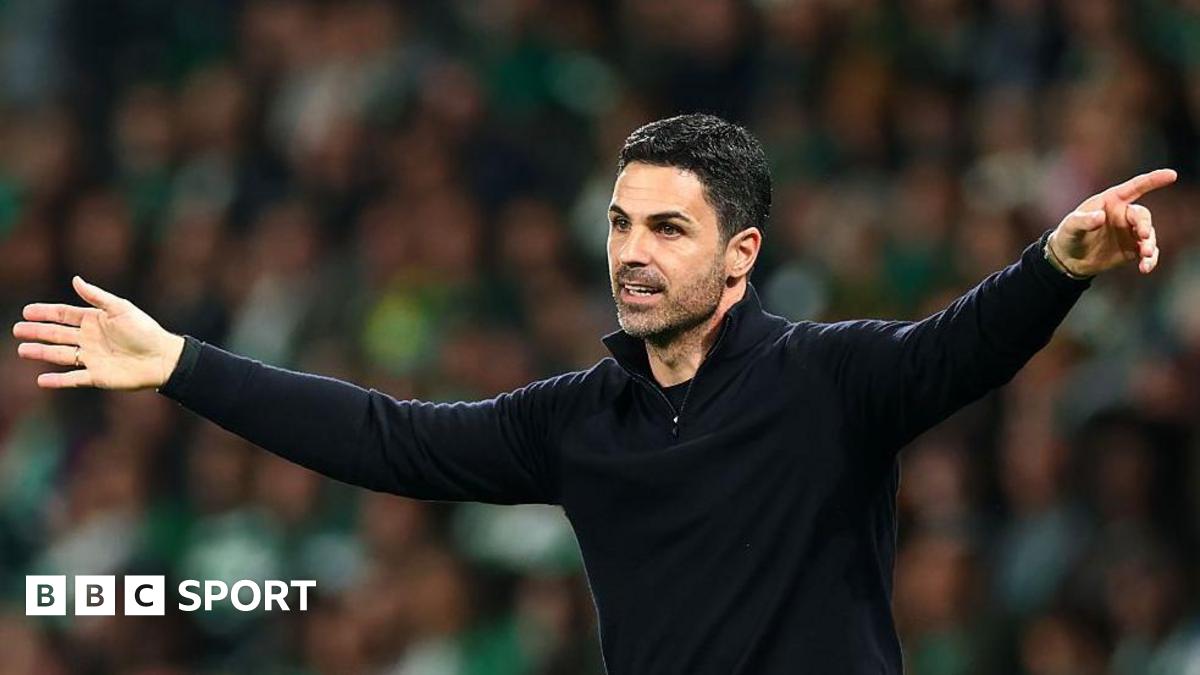
Mikel Arteta is a brilliant tactician. His ability to manipulate space and drill passing automatisms into his players is elite. But he is a manager, not an entire scouting department.
We have seen what happens when managers are given total control over transfers. It rarely ends well. Arsene Wenger managed it for a decade before the market completely outgrew him. Sir Alex Ferguson had David Gill shielding him from the absolute chaos of the transfer window.
Arteta now has no shield. If a transfer fails next season, the blame will fall entirely on him. He approved it. He pushed for it. He executed it. That is a terrifying amount of pressure for a man who already sleeps four hours a night.
The best clubs operate with healthy tension. The manager wants a 30-year-old veteran to win now. The technical director wants a 22-year-old prospect to maintain resale value. They argue, they compromise, and the club benefits.
With Ellis gone, who is telling Arteta no? Who is challenging his tactical blind spots? An echo chamber in the manager's office is the fastest route to stagnation.
The verdict
This is a bad look for Arsenal. There is no positive spin. You cannot lose your technical director in March of a title-winning campaign and pretend everything is fine behind the scenes.
It exposes a reliance on Arteta that borders on dangerous. If Arteta is the only one holding the entire sporting operation together, what happens if he hits a rough patch? The structure around him needs to be incredibly robust.
Right now, it looks flimsy. Ellis realized something behind the scenes that made his position completely untenable. Arsenal need to replace him quickly, quietly, and correctly.
But for the next two months, Arteta is effectively alone at the wheel. If he brings the Premier League trophy to the Emirates, it will be a monumental achievement. But the Kroenkes need to realize that this management model is completely unsustainable long-term.
My prediction? Arsenal will weather the immediate storm. They will push this title race to the final day without breaking a sweat. But the summer window will be chaotic, reactionary, and they will likely miss out on a £80 million primary target. You cannot pause the market while you hire a new boss.
Read Next
- Mo Salah's farewell tour is masking a harsh tactical reality for Liverpool
- Man United's summer transfer plans are already screaming panic buy
- Rangers are risking a medical disaster by scrapping the sporting director search
- Arsenal's Season on the Brink After Ødegaard Injury Confirmed
- ⭐ UCL 2026 — Champions League Quarter-Finals Hub