The San Siro dream that turned into a Selhurst reality
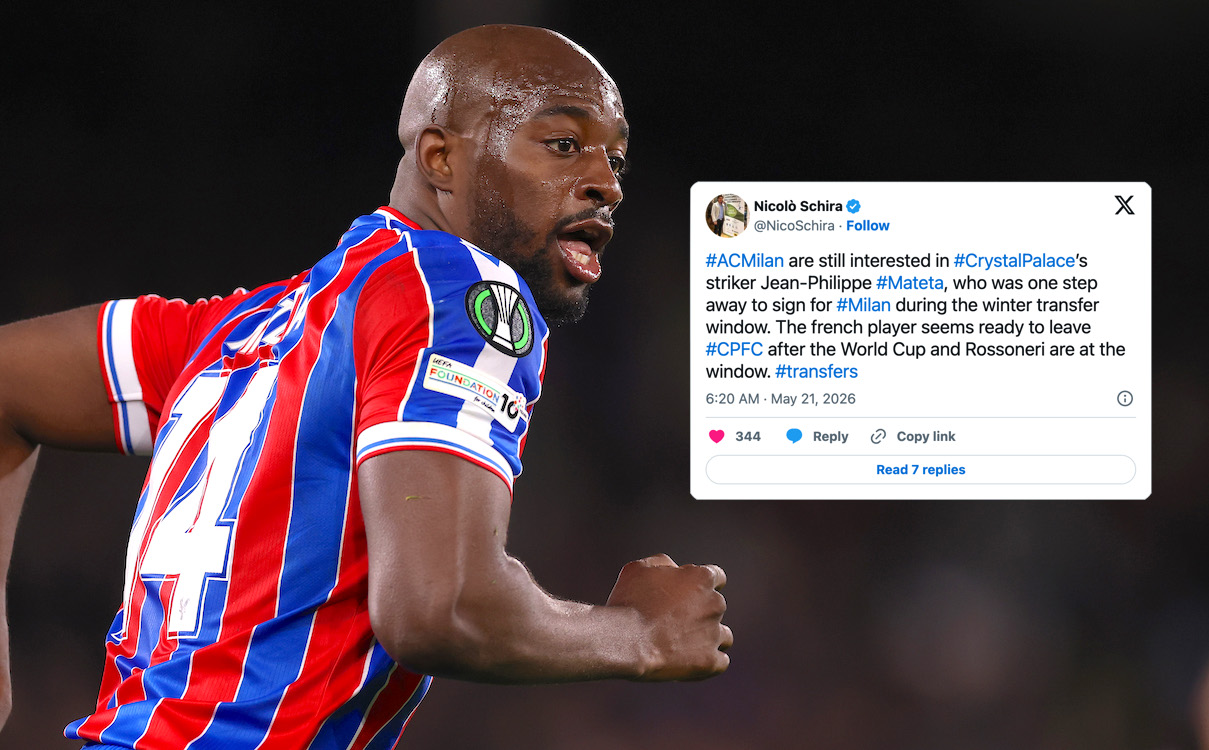
Imagine you’re Jean-Philippe Mateta. You’ve spent months grinding in the rain of South London, fighting for scraps in a Crystal Palace side that, for a long time, treated the opposition penalty area like a restricted military zone. Then, the phone rings. It’s AC Milan. The Seven-time European champions. The San Siro. The red and black stripes. The chance to walk the same halls as Van Basten, Weah, and Ibrahimovic.
You pack your bags in your head. You’ve already mentally scouted the best pasta spots in Lombardy. And then, the deal collapses. The paperwork stalls, the bean counters disagree, and suddenly you’re back at Beckenhurst training ground wondering if you’ll ever escape the shadow of being a 'useful squad player.' Mateta recently admitted that the collapse of his move to Milan 'hurt him psychologically,' and honestly, if it didn't, I’d assume he was a robot programmed by Roy Hodgson.
But looking at where we are on May 6, 2026, with the Premier League season winding down and Mateta’s stock higher than a tech startup in 1999, we need to have a serious conversation. That failed transfer wasn't a tragedy. It was a divine intervention. If Mateta had gone to Italy two years ago, he’d likely be sitting on the bench watching a 40-year-old Olivier Giroud defy the laws of aging, or he’d be the third-choice scapegoat for a demanding Curva Sud.
The brutal meat market of the transfer window
We love to talk about transfers like they’re just numbers on a spreadsheet or cards in a video game. We see a fee of 25 million and think that’s the end of the story. We forget that these guys are human beings who have to uproot their lives, learn new languages, and deal with the crushing weight of expectation. When a move to a giant like Milan falls through at the eleventh hour, it’s not just a missed career opportunity; it’s a soul-crushing rejection.
Mateta isn't the first guy to go through this, and he won't be the last. Remember Peter Odemwingie sitting in the Loftus Road car park like a jilted lover on deadline day? Or Nabil Fekir having his Liverpool photos taken before a dodgy knee scan sent him back to Lyon? The psychological toll is real. You’ve told your family you’re leaving. You’ve said your goodbyes. Then you have to walk back into the dressing room and pretend your heart isn't 800 miles away.
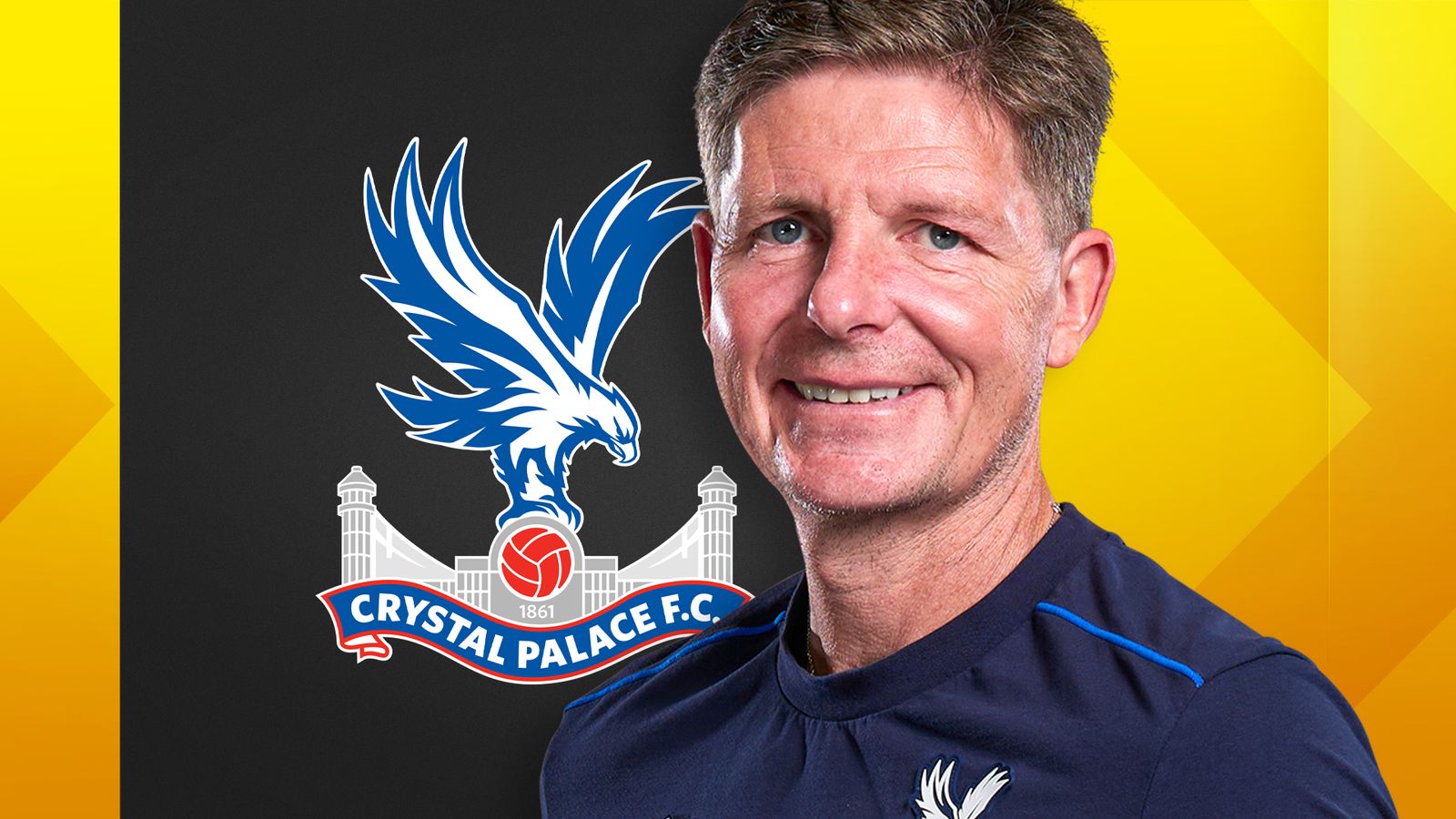
The difference is how Mateta handled it. Instead of moping around the training ground like a teenager who just got grounded, he waited. He endured the periods where he couldn't buy a goal. He survived the tactical stagnation of the late-Hodgson era. And then, the world changed when Oliver Glasner arrived at Selhurst Park. The 'Mateta-issance' didn't happen by accident; it happened because the move to Milan failed, forcing him to find his level in the hardest league on the planet.
From meme to machine under Oliver Glasner
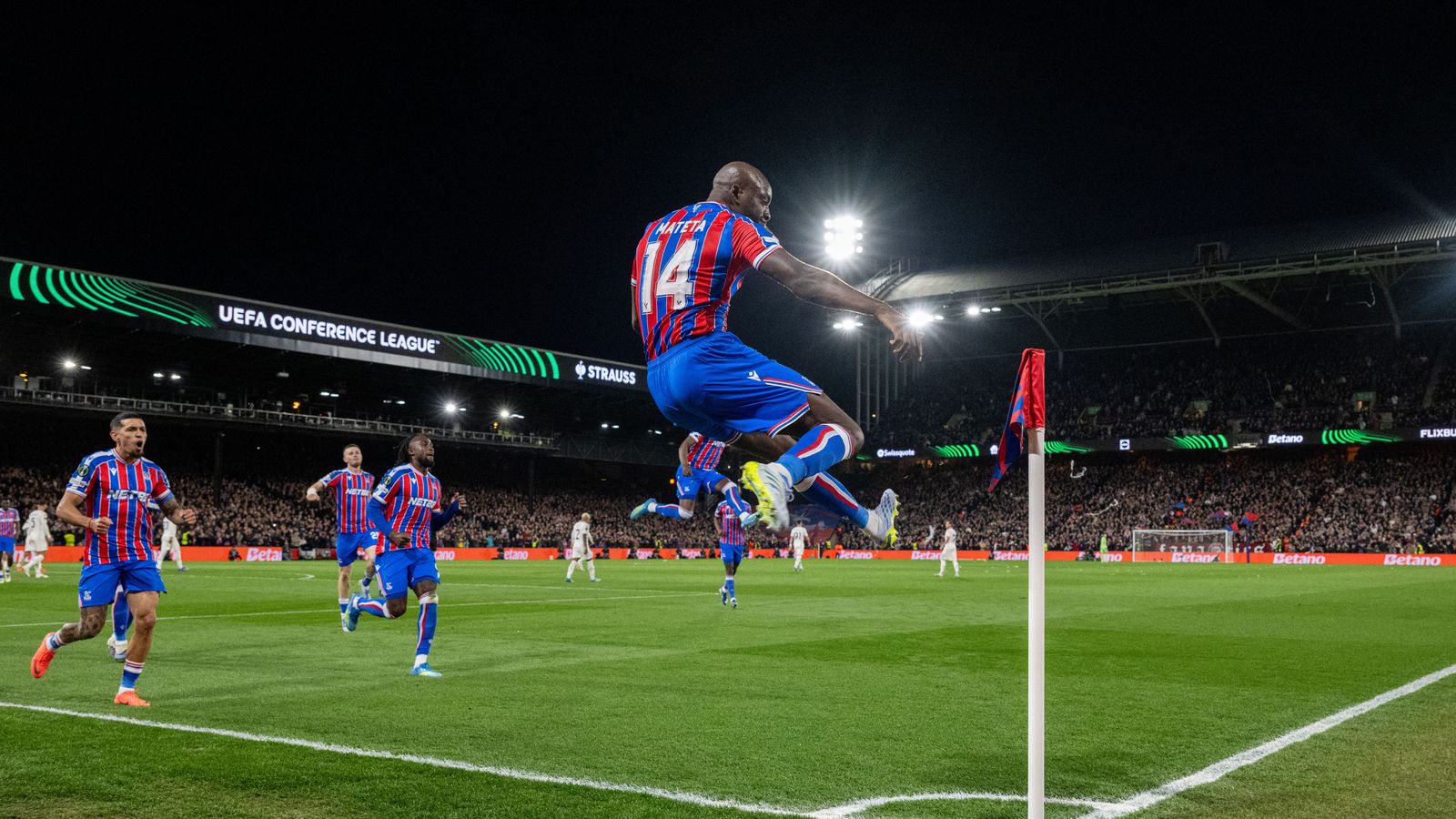
Let’s be brutally honest for a second, because that’s what we do here. A year ago, if you asked the average Palace fan about Mateta, they’d tell you he was a 'workhorse'—which is football code for 'he runs a lot but couldn't hit a barn door with a banjo.' He was a cult hero because of the corner flag celebration, not because he was terrifying defenders. He looked awkward, his touch was heavy, and he seemed like a man playing with the handbrake on.
Then came the Glasner revolution. Suddenly, Palace weren't just sitting back and hoping Eberechi Eze would do something magical. They started pressing. They started playing vertical, aggressive football. And Mateta? He turned into a monster. Since the turn of the year, he’s been playing like a man possessed. He isn't just scoring goals; he’s bullying center-backs who get paid five times what he does. He’s found a clinical edge that nobody—and I mean nobody—saw coming during those dark nights in 2023.
If he’d gone to Milan, he would have been a tactical outlier. In the tactical rigidity of Serie A, a raw, physical striker like Mateta can often get lost if the system doesn't perfectly cater to his strengths. At Palace, he’s the focal point. He’s the lighthouse that the rest of the attack sails toward. Every time he bags a brace at Selhurst, there’s a part of me that thinks he should send a thank-you note to the Milan executives who pulled the plug on that deal.
The gamble that saved a career
There is a lesson here for every young player chasing the 'big club' dream. Sometimes the big move is the wrong move. We’ve seen it a thousand times. Donny van de Beek at United, Kalvin Phillips at City, Renato Sanches at Bayern. Players who were the kings of their castle, only to become expensive ornaments in a trophy room. Mateta’s 'psychological hurt' was the fire that forged the version of the player we see today.
Crystal Palace deserve credit here too, even if their recruitment strategy often feels like throwing darts at a map of Ligue 1. They held onto him when his value was at its lowest. They didn't panic and ship him off to the Championship or a mid-table side in Turkey. They saw something in the 14 goals he’s notched this season that suggested he was more than just a backup. They bet on his resilience, and it’s paying off in a way that has Palace fans dreaming of more than just a 12th-place finish.
However, we have to keep it real: Mateta is currently riding a heater. Is this his true level, or is he just having the run of his life? History is littered with one-season wonders who caught lightning in a bottle. Remember Michu? Or Papiss Cissé? Mateta has to prove that this isn't just a purple patch fueled by Glasner’s honeymoon period. He’s 28 now. These are his peak years. If he wants to prove Milan made a mistake, he has to do this for more than six months.
The irony of the AC Milan situation
The biggest irony in all of this? AC Milan are probably the ones hurting now. While they’ve been scrambling to find a long-term successor to their aging frontline, Mateta has evolved into exactly the kind of physical, mobile, and clinical striker they desperately need. They could have had him for a relative pittance compared to the 50 million plus fees being quoted for top-tier strikers today.
Milan's loss is Palace's gain, but it’s also a win for the neutral. There is something inherently joyful about watching a player who was written off by almost everyone—myself included—come back and dominate. Football is better when the 'little guys' have strikers who can terrify the big boys. When Mateta squares up to a defender, you can see the confidence oozing out of him. That doesn't come from a smooth career path; it comes from the struggle.
So, Jean-Philippe, if you’re reading this: stop worrying about what happened in that boardroom in Italy. The San Siro is a beautiful stadium, but it’s a graveyard for strikers who don't hit the ground running. You’re the King of South London right now. You’re the guy making the Holmesdale End erupt every other Saturday. That psychological hurt was just the cost of admission to the elite level. You didn't lose a move to Milan; you gained a career at Palace.
Final thoughts from the bar
At the end of the day, the transfer window is a casino where the house usually wins. Mateta got lucky. He didn't get his big move, and it forced him to become the player that would actually deserve that move in the first place. Whether he stays at Palace and becomes a club legend or eventually gets that big European switch, he’ll look back on that 'failed' move to Milan as the turning point.
- Mateta has scored in 6 consecutive home games at Selhurst Park.
- He has successfully completed more dribbles this season than in his previous three combined.
- His link-up play with Eze has created more chances than any other duo in the bottom half of the table.
The lesson? Don't cry because it's over, or in this case, don't cry because it never started. Cry because you almost missed out on becoming the best version of yourself in a system that actually likes you. Mateta is proof that sometimes the best deal is the one you don't sign. Now, let’s see if he can keep this energy up when the 2026/27 season kicks off, or if he'll find himself back in the 'psychological hurt' zone when the next big club comes calling.