From White Hart Lane to the mud and the nettles
You can divide football fans into two camps: those who remember exactly where they were when Jermain Defoe scored that ridiculous volley against Charlton Athletic in 2004, and those who don't. I am firmly in the former. The man was a cheat code in the penalty box. He didn't think; he just lashed his right boot through the leather and wheeled away in celebration before the keeper had even twitched. He was pure, unadulterated instinct.
And now, at 43 years old, that same man is going to be standing on a waterlogged touchline somewhere in the depths of the English football pyramid, screaming at a part-time scaffolding contractor to tuck in defensively.
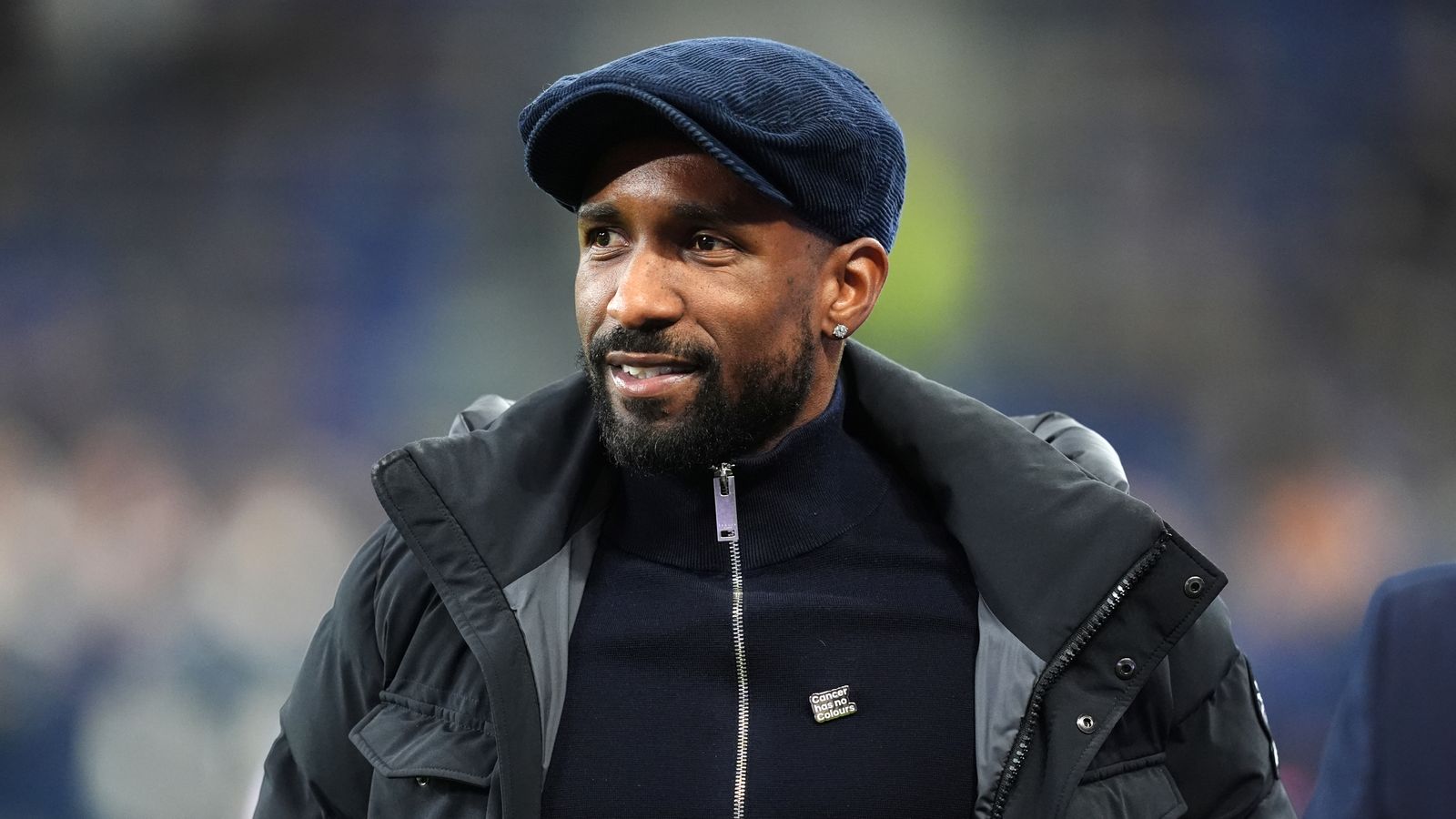
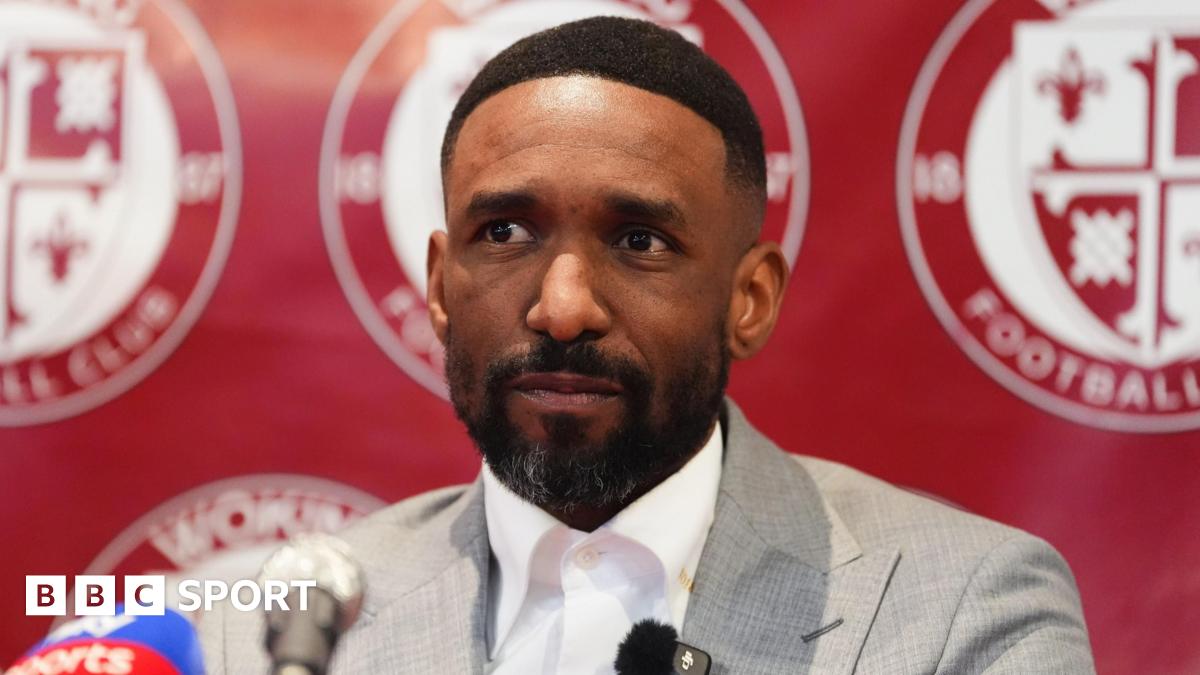
You literally cannot write this stuff. The news that the former Tottenham Hotspur and England striker has taken his first managerial job at a non-league side has completely short-circuited my brain this morning. It makes zero sense, and yet, it is the most magnificent thing to happen to English football all month. Forget the Champions League quarter-finals coming up next week. Forget whatever tactical nonsense Pep Guardiola is cooking up at City. Give me Jermain Defoe trying to explain the concept of a false nine to a squad that trains twice a week and runs on Lucozade and bad decisions.
Let's be brutally honest for a second. The transition from elite, instinct-driven striker to football manager is historically a bloodbath. It almost never works. And when it fails, it fails with spectacular, meme-generating intensity.
The striker's curse in the dugout
Think about it logically. The best managers are usually the plodding midfielders or the cynical defenders. The guys who spent their entire playing careers scanning the pitch, covering spaces, screaming at their wingers, and doing the miserable tactical math in their heads. Your Guardiolas, your Artetas, your Xabi Alonsos. They were managers while they were still wearing boots, organizing the chaos around them.
Strikers? Especially penalty-box assassins like Defoe? Their entire footballing worldview is inherently selfish. And I mean that as a compliment. You don't score 162 Premier League goals by passing the ball when you have a half-inch of space in the box. You score them by having a pathological obsession with the back of the net and absolute tunnel vision.
How does a guy whose entire operating system was based on hitting it as hard as humanly possible teach a collective pressing trigger? What happens when his center-forward skies a sitter from six yards out? Defoe is going to physically combust on the touchline. You can't teach the kind of predatory instinct he had. You either have it, or you're playing in the Isthmian League on a Tuesday night.
Look at his peers from the England setup. The so-called Golden Generation has produced some of the most spectacular managerial car crashes of the modern era. Wayne Rooney at Birmingham City was a fever dream that ended in absolute disaster, alienating fans and completely ruining a decent foundation. Frank Lampard's return to Chelsea was essentially an expensive, deeply depressing museum tour where the exhibits kept conceding soft goals. Steven Gerrard is currently counting oil money while his team plays in front of crowds smaller than a decent Sunday League fixture. Gary Neville at Valencia remains a cautionary tale that belongs in the Louvre.
And now, here comes Defoe. Stepping into the absolute meat grinder of non-league football. It is brave, it is foolish, and I absolutely love it.
Welcome to the thunderdome
I don't think people fully appreciate what non-league football actually entails. This isn't the slick, heavily sanitized world of the Premier League. There are no heated seats on the bench. There are no sports scientists analyzing sleep patterns, GPS data, and hydration levels. There is just a bucket of magic sponges, a pitch that looks like a World War I battlefield by late November, and a center-half named Dave who has played with a lingering groin strain since 2018.
Defoe is used to the absolute highest standards of the game. He played under Harry Redknapp during the chaotic, peak Barclays era at Spurs. He went to World Cups. He has 57 caps for his country. He was still banging them in for Rangers in his late thirties because his finishing was so precise that he didn't even need functioning knees anymore to score tap-ins.
Now he has to deal with the harsh, agonizing reality of grassroots logistics. What happens when his starting right-back can't make an away game because his transit van broke down on the M25? What is the tactical adjustment when the opposition brings on a 6-foot-4 striker who exclusively uses his elbows as weapons and runs like he's wading through wet concrete?
There is no VAR to save you down here. If the referee misses an offside by five yards, you just have to swallow it and scream into the damp night air. I genuinely fear for his sanity the first time an opposing full-back scythes down his winger and gets away with a warning.
There is also the question of patience. When you operate at the elite level for two decades, your brain processes the game at a frightening speed. You expect the ball to arrive perfectly weighted to your preferred foot. You expect your runs to be spotted instantly. Down in the mud of the non-league pyramid, a player might spot the run, think about playing the pass, take a heavy touch, panic, and smash it out for a throw-in. Elite ex-players often struggle to comprehend why their charges can't execute simple instructions. Defoe is going to have to find a reservoir of patience that he never needed as a player.
I also want to see how he handles the opposition benches. The non-league dugout is a wild, lawless place. It is populated by grizzled veterans in oversized tracksuits who have been fighting for three points in the freezing rain since the 1990s. They will look at this multi-millionaire, former Premier League icon and they will try to rattle him immediately. The touchline shouting matches are going to be absolute cinema.
The Spurs DNA problem
We also need to talk about the tactical baggage he brings with him. Defoe is Tottenham through and through. And as a neutral who has watched Spurs find new and innovative ways to collapse for the last two decades, this concerns me deeply.
If he instills that classic Tottenham DNA into his new squad, we are in for some truly spectacular bottle jobs. I'm talking about taking a 2-0 lead into the 88th minute of a vital promotion six-pointer, only to lose 3-2 because the goalkeeper decided to try a Cruyff turn on the edge of his own box and tripped over his own shoelaces.
Sure, the football might be entertaining. He might set them up to play expansive, attacking football with wingers bombing on. But this is the lower leagues. You don't tiki-taka your way out of the mud. You launch it into the mixer, win the second ball, and pray for a deflection.
I am desperate to know what his halftime team talks are going to sound like. Is he going to draw complex passing triangles on a whiteboard, or is he just going to look at his number nine, shake his head in utter disgust, and simply tell him to hit the target?
More than just a poacher
It would be unfair to just paint him as a one-dimensional goalscorer, though. We all remember his time at Sunderland. That was a completely different Defoe. He wasn't just scoring goals; he was carrying an entire football club on his back to keep them in the Premier League under Sam Allardyce. He showed grit, leadership, and an incredible amount of heart, especially with his beautiful, heartbreaking friendship with young Bradley Lowery.
That version of Defoe—the mature, empathetic leader who understood the weight of a community—is the guy who might actually succeed as a manager. Non-league football is all about man-management. You are dealing with guys who have worked an eight-hour shift on a building site before turning up to training. You have to understand them as people, not just assets on a spreadsheet.
If he can tap into that Sunderland era empathy, he might actually get these players running through brick walls for him. He has an undeniable aura. When Jermain Defoe tells you to run the channels, you run the channels.
Why we should actually root for him
Despite all my snark and skepticism, I genuinely want this to work. There is something incredibly romantic about an ex-pro of his stature choosing the hardest possible route into management.
He could have easily taken a cushy punditry gig. He could have sat in a warm studio, wearing a bespoke suit, pointing at a giant touchscreen and complaining about modern defending alongside Micah Richards. He could have taken a youth team job at an elite academy with pristine 4G pitches and absolutely zero real-world pressure.
Instead, he has chosen the cold, the rain, and the brutal reality of proper football. It takes guts. It takes a level of humility that you rarely see from former superstars who are used to five-star hotels and private jets. He is voluntarily putting his reputation on the line in front of crowds of maybe 500 people, just for the pure love of the game.
There is a harsh lesson coming his way, though. The managerial graveyard is littered with big names who thought their playing pedigree would earn them instant respect in the dugout. Players at this level don't care how many goals you scored past Petr Cech fifteen years ago. They care if your training sessions are actually engaging, and if you can help them win three points on a miserable Saturday afternoon in November.
If he approaches this with arrogance, expecting everyone to kiss his rings, he will be sacked by Christmas. The non-league circuit is ruthlessly unforgiving to tourists who treat it like a hobby.
The inevitable outcome
So, how does this grand experiment actually end? Let's not kid ourselves with Hollywood endings. The odds are massively, overwhelmingly against him. He will probably win his first three games on pure "new manager bounce" adrenaline. The national media will parachute in to write glowing, patronizing pieces about his bright future. The club will sell out their tiny stadium for a local FA Cup preliminary tie.
Then the dark days of December will hit. The injuries will pile up. The pitch will turn into a swamp. They will go on a miserable five-game losing streak where they fail to score a single goal. The local paper will start asking difficult, pointed questions. The scaffolding contractor will get sent off for a reckless two-footed tackle in the opening ten minutes.
It will be glorious, chaotic, and inevitably fleeting. But for as long as it lasts, Jermain Defoe managing in the lower leagues is going to be the most fascinating subplot in English football. I will be checking their obscure results on my phone every single weekend, completely invested in the madness.
Just don't expect him to teach anyone how to properly cross the ball. If you find yourself anywhere near the box under his management, you better just close your eyes, drop your shoulder, and smash it as hard as you can.