The transition from striker to manager
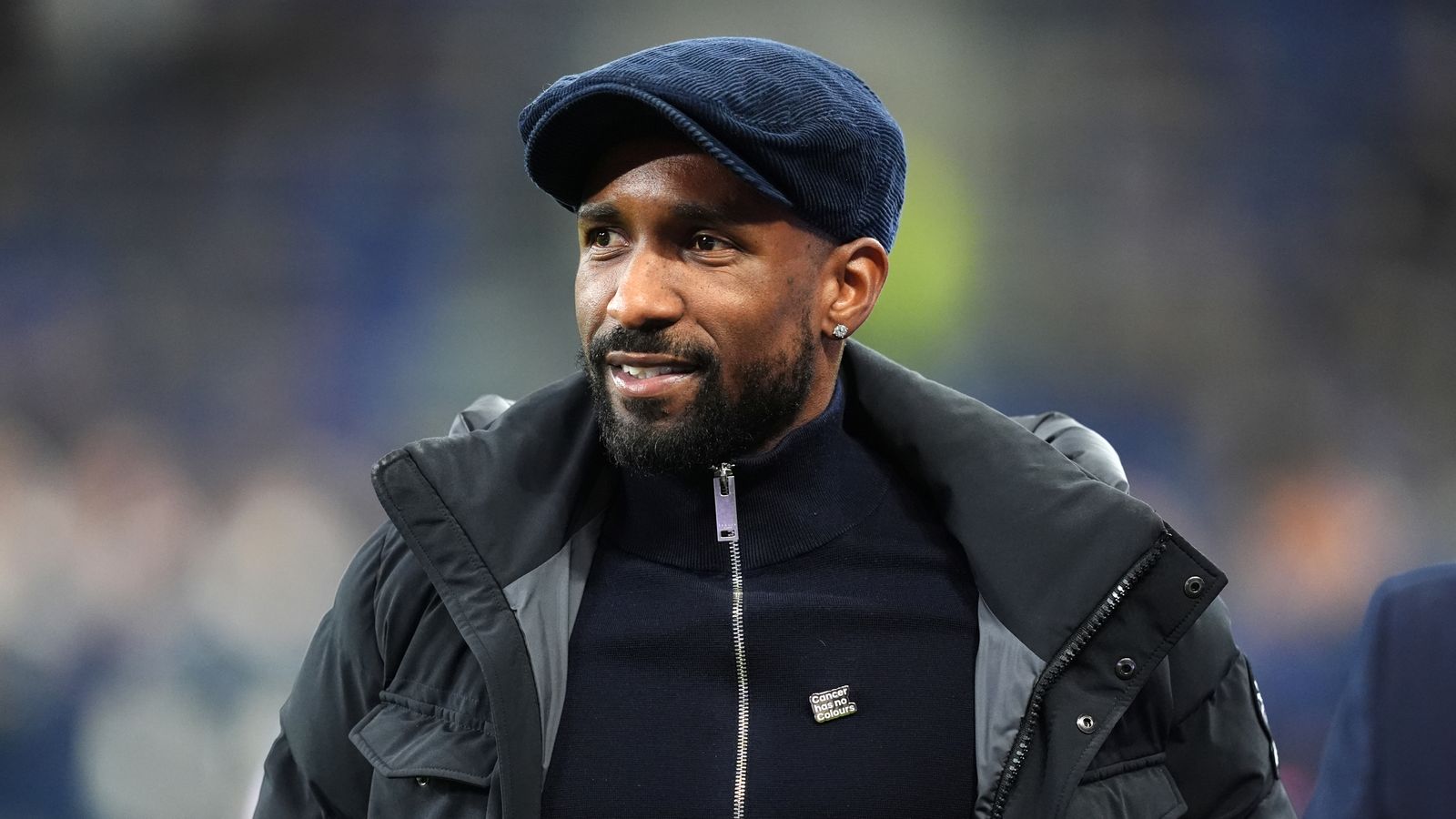
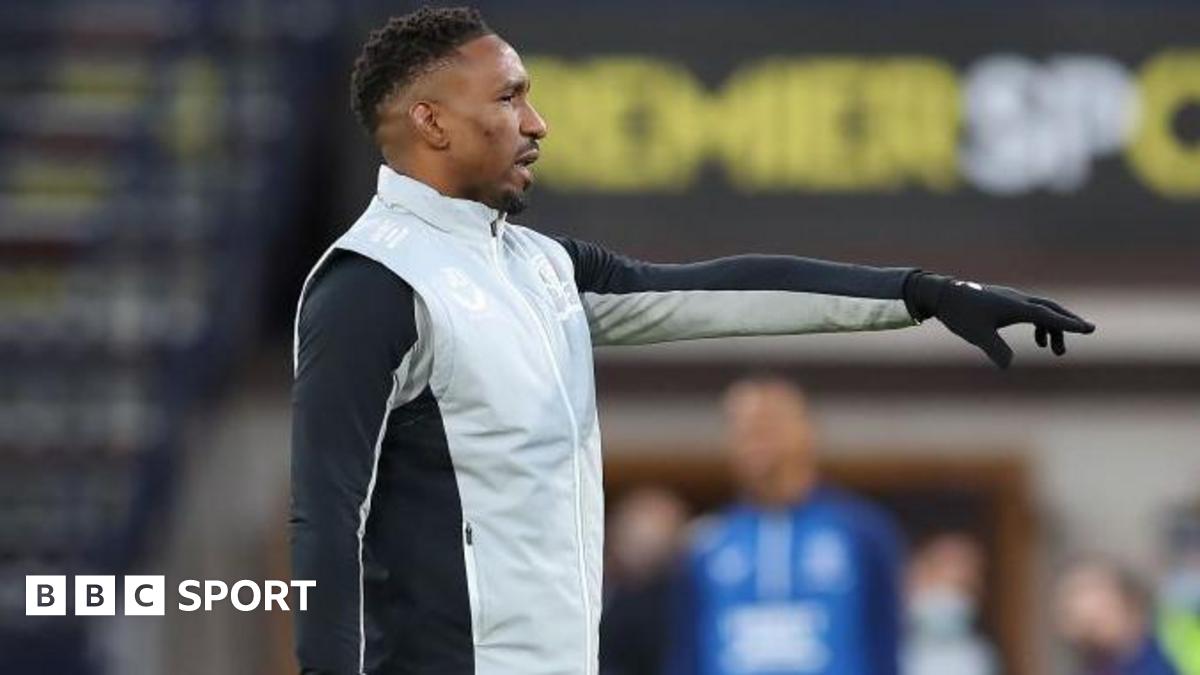
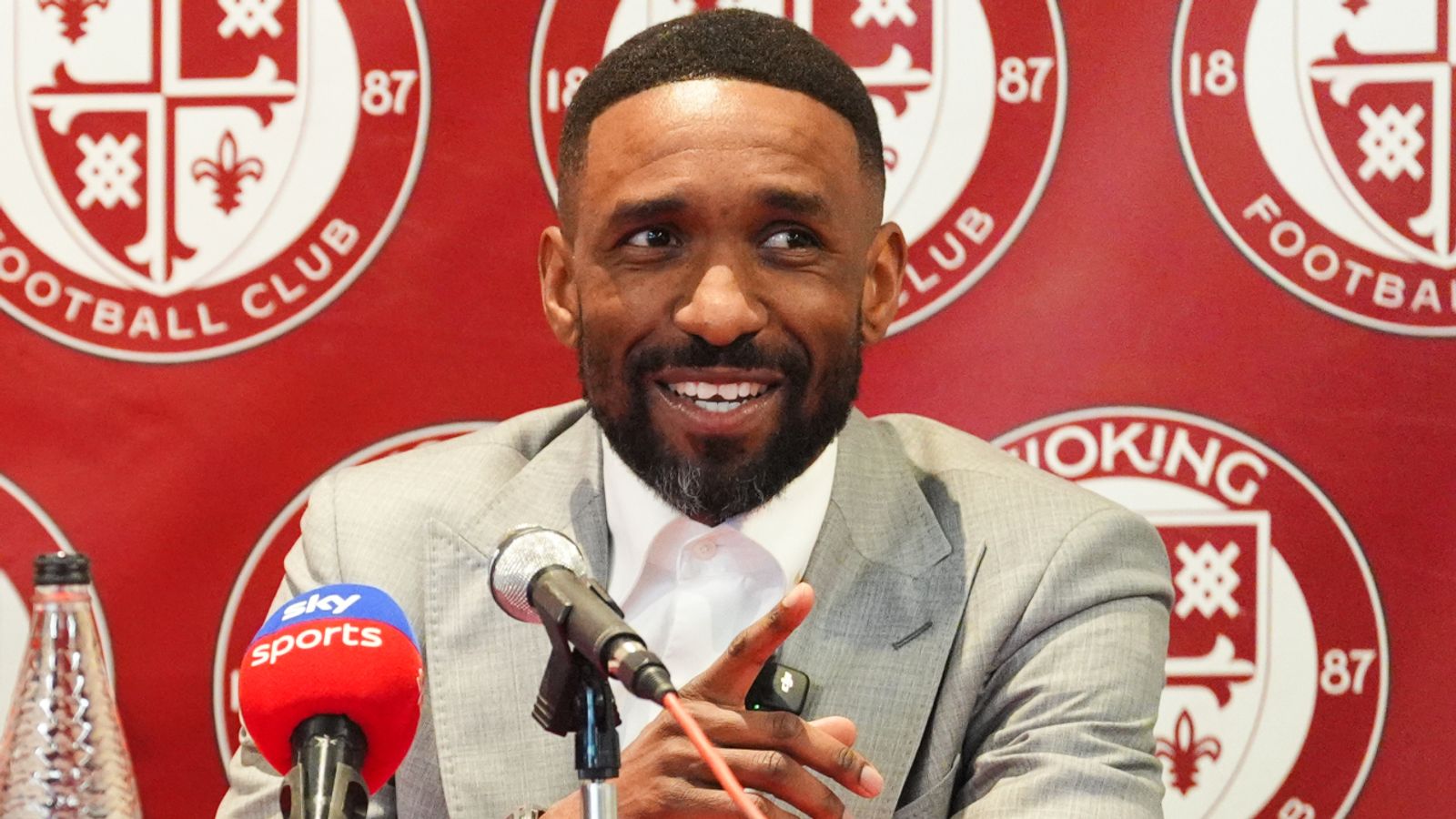
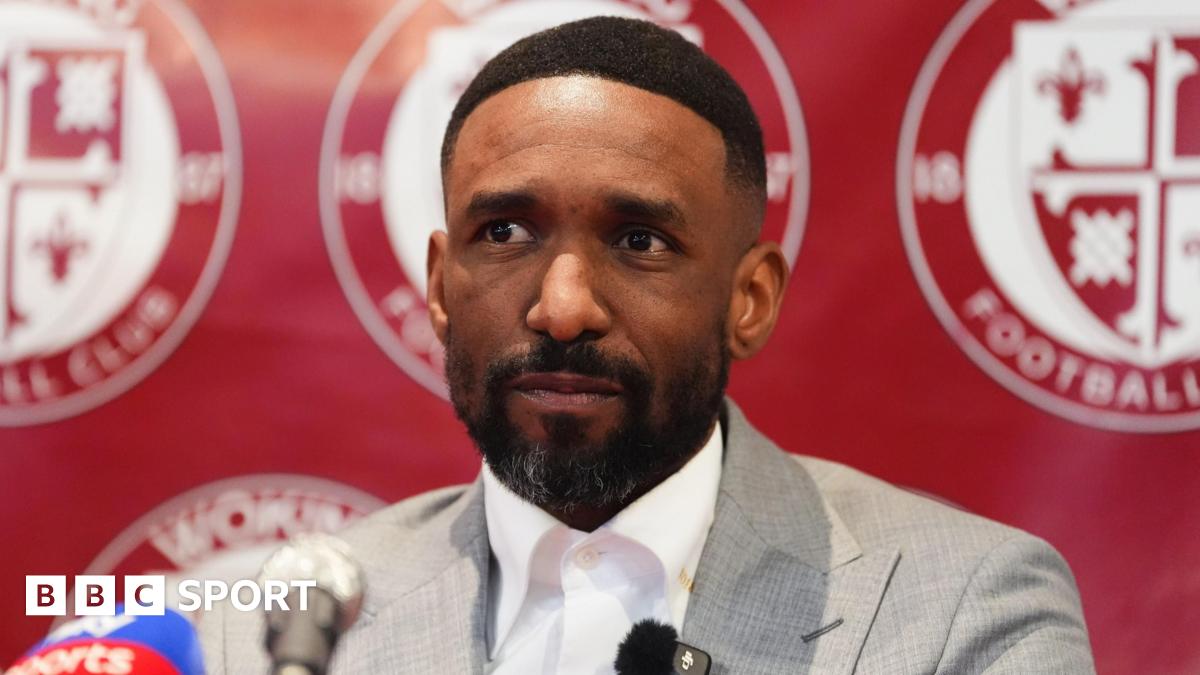
Jermain Defoe is officially trading his boots for the technical area. The former England international has been confirmed as the new manager of National League side Woking, marking his first foray into senior management at age 43. He replaces Neal Ardley, inheriting a squad that needs a steady hand heading into the final stretch of the season.
Defoe arrives with a clear sense of humility regarding his new role. Rather than chasing a high-profile vacancy, he has opted for a grounded start in the National League to earn his stripes. It is a pragmatic move; too often, high-profile former players burn out by rushing into top-tier roles they are unprepared to handle.
Setting the stage at Woking
Addressing the press today, Defoe signaled that the adjustment period will be minimal. He acknowledged that he cannot simply expect to parachute into a role at the pinnacle of the English game without first demonstrating tactical competence in a demanding environment. This self-awareness differentiates him from many peers who rely solely on their playing reputation to secure interviews.
The appointment serves as a specific kind of litmus test for Defoe’s long-term ambitions. By stepping into Woking, he avoids the media fishbowl of a Championship or Premier League dugout while still managing the immediate pressures of competitive football operations. The National League is notoriously unforgiving, known for a physical style that prioritizes grit over pure technical flair.
The strategic gamble
Critics might point to his lack of experience as a potential liability. However, Defoe’s career was defined by clinical positioning and a capacity to read defensive lines—traits that theoretically translate well to the clipboard. He is leaning into the idea that success requires patience and on-the-job education.
“It’s been a long time coming,” Defoe said during his opening press conference, noting a sense of relief regarding the start of his tenure.
Navigating the path forward
Historically, non-league management remains a high-risk entry point for stars. The resources are limited and the turnover rate for managers at this level is significantly higher than in the Football League proper. Defoe must prove he can handle roster constraints and budget limitations while maintaining locker room discipline.
There is also the matter of legacy. Defoe represents a push for more black managers in English football, a point he touched on while speaking with BBC Sport earlier today. He is positioning himself not just as a former goalscorer, but as a potential architect for future talent.
No room for shortcuts
Defoe arrives with no illusions about the workload. He remains focused on Woking’s immediate safety and long-term trajectory rather than looking for a quick exit to a higher division. The 43-year-old understands that his name value buys him a foot in the door, but his win-loss record will determine how far the door stays open.
Whether his reputation in front of the goal acts as a boon or a hindrance in the boardroom remains to be seen. Supporters will expect results immediately, and the scrutiny will be intense given his pedigree. He enters his first match in charge without the cushion of a pre-season, facing the reality of results-based business.
In the broader industry context, the move highlights a trend of high-profile ex-players seeking lower-stakes environments to develop their philosophies. If Defoe succeeds, he provides a blueprint. If he fails, it reinforces the belief that elite playing experience rarely guarantees managerial competence. For now, the focus is the touchline at Woking.
Read Next
- Jermain Defoe taking the Woking job is a reality check for big names
- Tobin Heath (U.S. Soccer Podcast): "It wasn't just about being paid equally. It was about being treated fairly. And at the time we we..."
- Thomas Tuchel has a major England problem before the World Cup
- Chelsea’s balance sheet is a disaster and the Premier League is losing its mind