The Clydebank kid steps onto the world stage
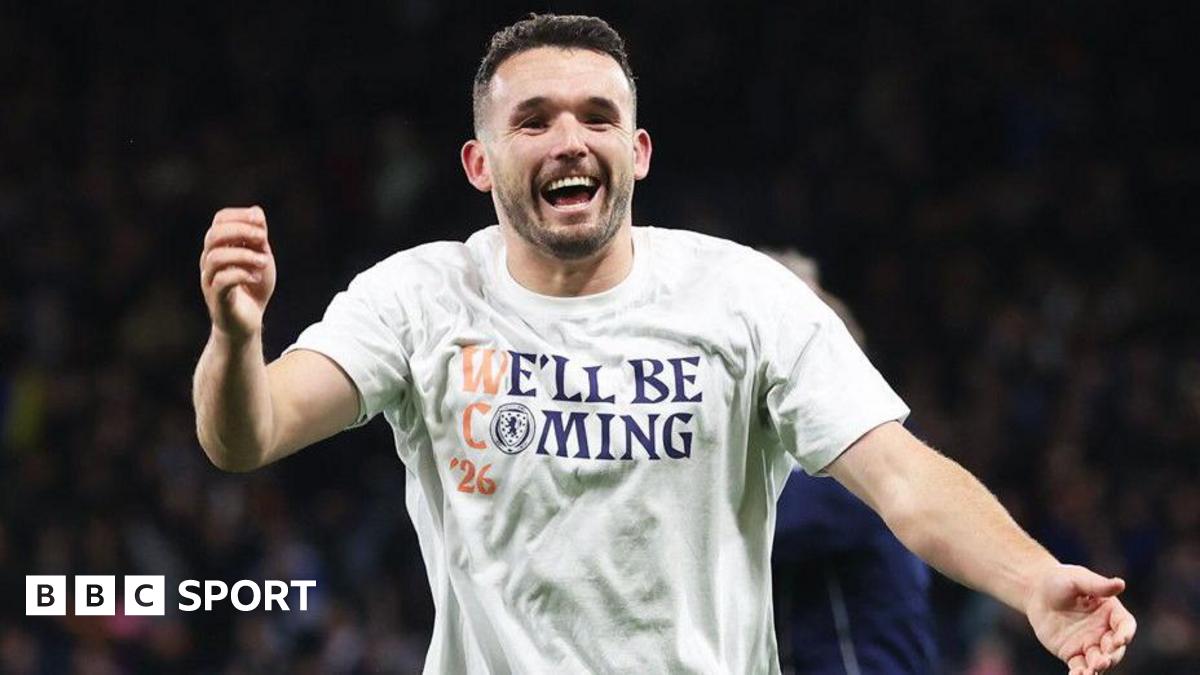
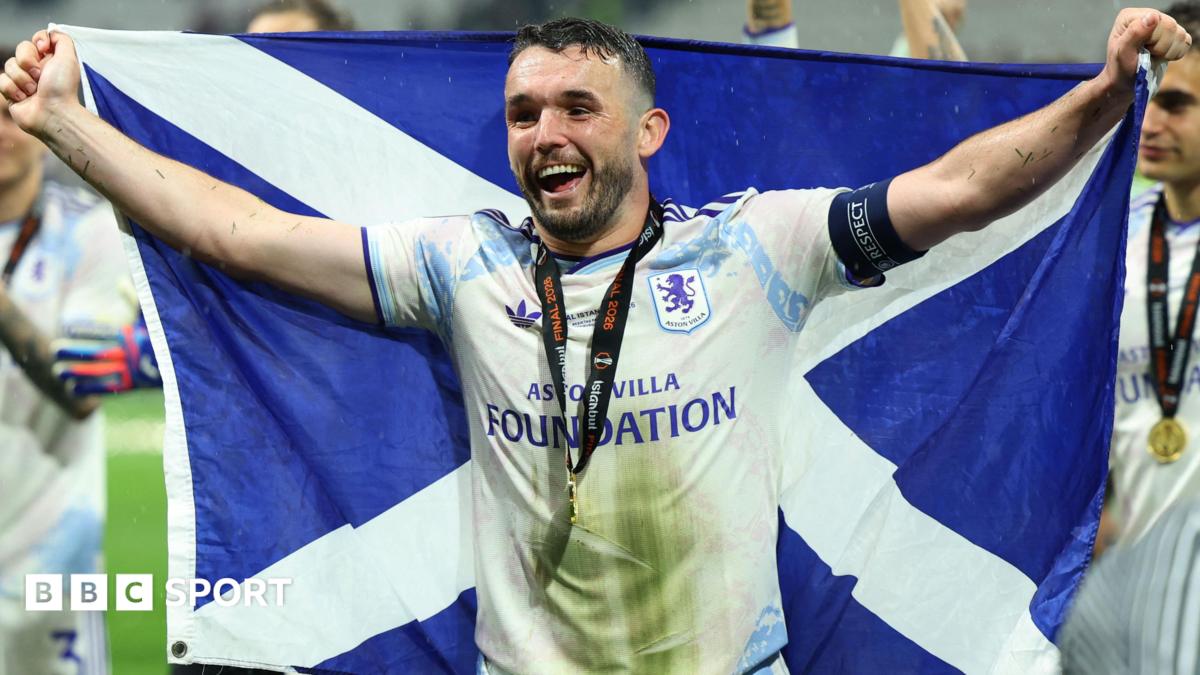
Today, June 11, 2026, Scotland finally steps out for the World Cup opener. For John McGinn, the journey from a Clydebank boy with a reputation for a distinct look to the heartbeat of the national squad reaches its absolute peak. It is a career trajectory that defies the polished academy standards of the modern game, built instead on a brand of persistence that defines the man affectionately dubbed Meatball.
Standing at the tunnel, the gravity of the moment is hard to overstate. This isn't just another tournament opener. For a player who grew up hearing constant jokes about the shape of his head, leading his country out to the pitch for a global curtain-raiser functions as a supreme act of professional validation. As recent reporting from the BBC confirms, his rise has been anything but linear or predictable.
Defining the McGinn impact
McGinn arrived at this level by embracing the grit that many technical academies try to coach out of players. He is not the tallest or fastest, but he is uniquely effective at disrupting opposition patterns. His ability to shield the ball while absorbing heavy physical contact allows the Scotland midfield to breathe in transition. This style is the antithesis of the TikTok age academy recruit.
His influence on the pitch manifests as a constant, nagging challenge for defenders. He occupies space intelligently, drawing fouls in tight areas that kill opponent momentum and allow his team to regroup. Yet, there remains a lingering question regarding his ceiling at the highest level of international competition. Is his heavy-duty reliance on holding the ball enough to break down the world's elite defensive blocks?
The weight of national expectation
I still look back at where it all started, that feeling of just wanting to make something happen from nothing.
That sentiment, pulled from his recent reflections during training sessions, anchors the personality of this Scotland side. He represents the aspirational spirit of a team that often plays with a chip on its shoulder. Unlike the star-studded rosters of France or Brazil, Scotland operates on a frequency of collective defiance. McGinn orchestrates this, acting as the primary link between a solid defensive shell and a hardworking forward line.
However, the lack of a clinical secondary scoring threat is a massive potential failure point for this squad. Relying so heavily on McGinn’s secondary runs and long-range surges creates a predictable rhythm that world-class midfields will quickly identify. If the opposition successfully locks him out of the final third, Scotland possesses very few creative emergency valves. The strategy hinges entirely on him making deep, lung-bursting runs that he might not be able to sustain for the duration of the group stage.
A legacy in real time
Regardless of today's final whistle, McGinn has already secured his spot in the national canon. He has evolved from a local curiosity into a genuine symbol of Scottish footballing identity. His story resonates because it feels grounded in reality rather than corporate PR marketing exercises.
As the tournament progresses, every touch from McGinn will be scrutinized by fans and scouts alike. He is the engine. He is the narrative. On a day where UK pubs are already overflowing with anticipation for the late-night viewing surge, he shoulders the hopes of a nation. If Scotland aims to survive the opening skirmishes, they need the version of McGinn that showed up in the qualifiers: relentless, loud, and physically imposing.
The defensive metrics for Scotland have been quietly impressive over the last 18 months, but the chemistry in the creative third remains raw. McGinn is the connective tissue, but he cannot carry the load forever. The coaching staff has tasked him with managing the tempo, a role he has historically handled well despite the intense psychological pressure. History rarely favors the underdog, but in this specific tournament opener, the pressure of expectations is entirely on Scotland to show they belong.
Final analysis rests on the 90-minute performance. If McGinn can force his will onto the opposition midfield and dictate the lines of engagement, the Scots have a path forward. If he gets crowded out, the tournament narrative for the group might be settled before the second half even begins. He is the master of his own destiny now.
Read Next
- The World Cup party is tomorrow and everyone is already losing their minds
- Scotland are finally back, but Haiti is no charity case
- Scotland are walking into a tactical trap at the World Cup opener
- Top 10: Defining Moments That Shaped the 2026 World Cup Cycle
- 🏆 World Cup 2026 — Full Coverage Hub
- 🏴 Scotland World Cup 2026 — Tartan Army Hub
- 🇧🇷 WC 2026 Group C — Brazil, Morocco, Scotland, Haiti