The building blocks of the 2026 cycle
The four years leading into tonight's kickoff in Mexico City have completely restructured how elite squads approach international windows. From aggressive personnel overhauls to tactical shifts, these ten moments dictated exactly which nations arrived prepared and which are merely making up the numbers.
10. McKenna walking from Ipswich
Kieran McKenna’s decision to exit his position at Ipswich Town marked the end of a rapid rise in English management. He prioritized immediate career security over long-term project stability, alarming league scouts who feared a copycat exodus. By keeping his options open in early 2026, he set the tone for a period where managers treat club positions as temporary transit lounges. It ranks here because it highlighted a mercenary shift in the coaching ranks that rarely benefits the development of domestic talent.
9. The widespread fitness crisis
The delayed conclusion of the 2026 domestic season pushed players to the brink of physiological collapse. Trainers across the continent scrambled to manage muscle-related injuries throughout May, leaving national teams with depleted rosters before the tournament even started. This isn't just bad luck; it’s a direct consequence of a schedule that failed to respect human biology. Teams that prioritized recovery over intensity in the final weeks are the only ones standing at full strength today.
8. Tactical shifts in defensive scouting
Aggressive scouting profiles shifted focus away from traditional center-backs toward hybrid defenders capable of playing as auxiliary midfielders. Analytics departments across the Premier League pushed for this change, forcing nations like England and France to adapt their structures on the fly. It ranks above the fitness crisis because it represents a permanent change in how talent is evaluated. If you cannot play in the pocket, you simply do not make the squad anymore.
7. Infantino’s early tournament defense
FIFA President Gianni Infantino told disillusioned fans to simply chill when pressed on growing criticism regarding ticket prices and venue accessibility. His public posture effectively insulated the governing body from tangible community concerns during the final buildup phase. It matters because it demonstrated a complete detachment from the actual match-going supporters tasked with filling these massive neutral stadiums. His dismissal of these anxieties shows which stakeholders FIFA prioritizes.
6. The integration of 48 teams
The expansion to 48 nations forced an immediate adjustment to the group stage format. While FIFA marketed this as growth, it diluted the quality of the opening matches and created a chaotic qualification timeline. Smaller nations struggled to find the funding necessary for elite-level preparation, widening the gap between the haves and have-nots. The result is a bloated tournament that drags on too long at the expense of player health.
5. The NYC Henry tribute
The ceremonial renaming of a street in New York City after Thierry Henry served as a surreal moment of cultural bridging before the tournament arrived. While symbolic, it captured the massive commercial effort undertaken to force football into the American mainstream consciousness. It ranks here because it marks the precise moment local government buy-in reached peak momentum. It was pure brand projection, yet it signaled that the commercial influence of this tournament had reached its zenith.
4. Mid-season departures
Several high-profile managers walked out on their clubs in the final stretch to secure international futures, leaving teams scrambling for interim solutions. This exodus damaged the rhythm of top-flight clubs and turned the mid-season period into a distraction factory. Clubs are now actively drafting break clauses to prevent this, but the damage to squad cohesion in the spring of 2026 was undeniable. It serves as a reminder that club stability is secondary to international glory.
3. The reliance on heavy rotation
Clubs across the board were forced to implement constant rotation strategies to prevent burnout, altering the typical starting XI stability. Fans grew used to seeing secondary squads more often, which hindered the development of chemistry for major national team pivots. This forced managers to rely on reputation rather than current form for their final squad submissions. It is a critical oversight that has turned the world's elite into a collection of tired, disjointed parts.
2. The Super Cup officiation update
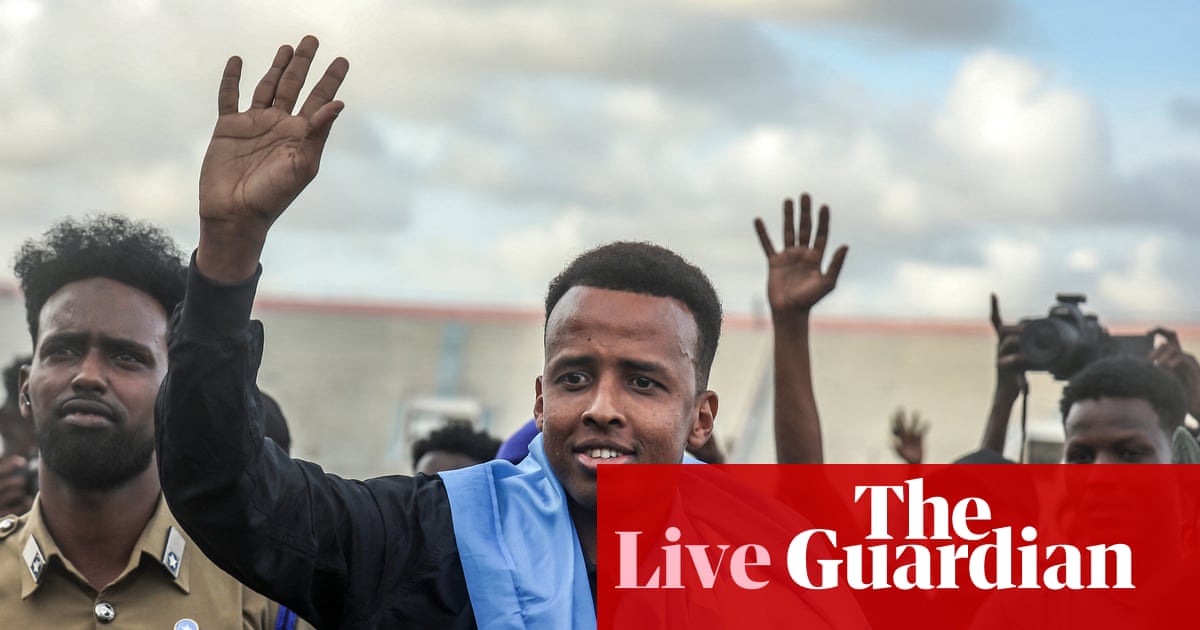
The appointment of a Somali referee for the Uefa Super Cup was a genuine step forward for global representation in officiating. By providing high-level experience to regions traditionally excluded from the spotlight, the sport opened doors that had been firmly locked. This move outranks technical coaching changes because it affects the systemic hierarchy of the game itself rather than just a single tactical trend. It remains the most progressive institutional move in an otherwise stale lead-up.
1. The final kick-off countdown
Tonight's opener in Mexico City represents the culmination of a cycle defined by exhaustion, corporate tension, and tactical revolution. Every moment leading here was merely a precursor to the 90 minutes on the pitch where the politics stop. It ranks first because no matter the management controversies or the fitness nightmares, the event itself demands total attention. This is why fans track the bracket and analyze every prediction long before the lights go up.
Honorable Mentions
The total breakdown of traditional transfer windows caused by the extended 2026 calendar nearly ruined the scouting credibility of many clubs. Furthermore, the persistent issues with pitch surfaces in secondary venues have left several squads, including South Africa and South Korea, questioning the safety of the facilities provided for the opening week.