The Silence That Swept a Nation
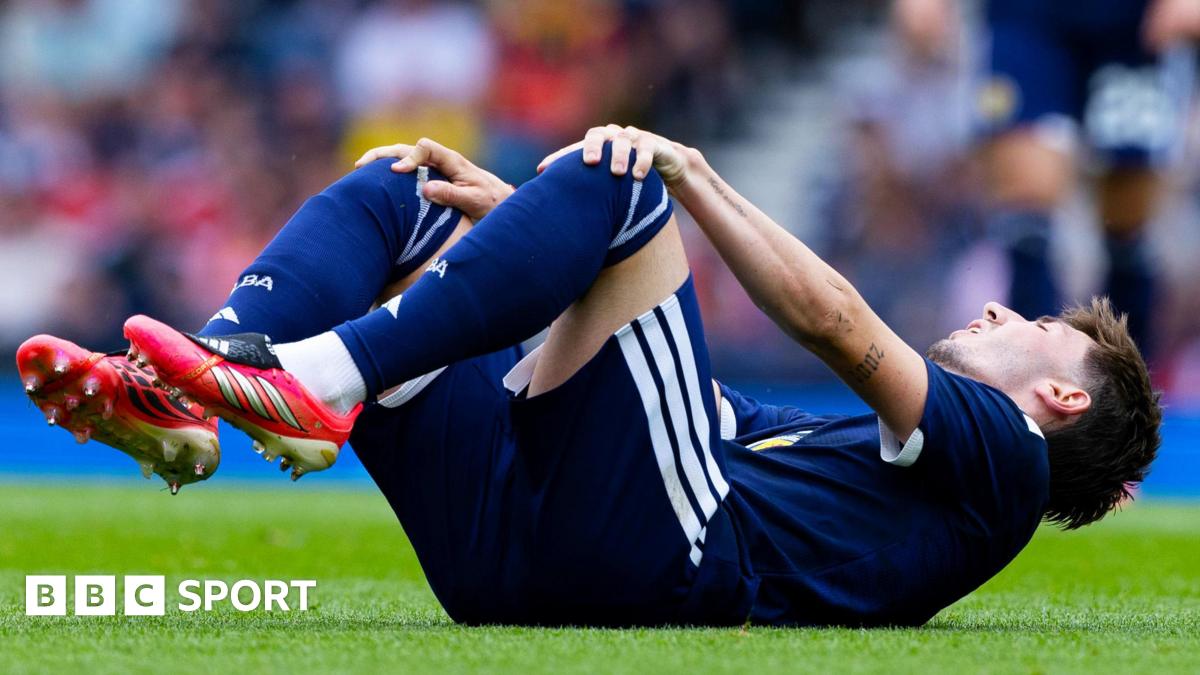
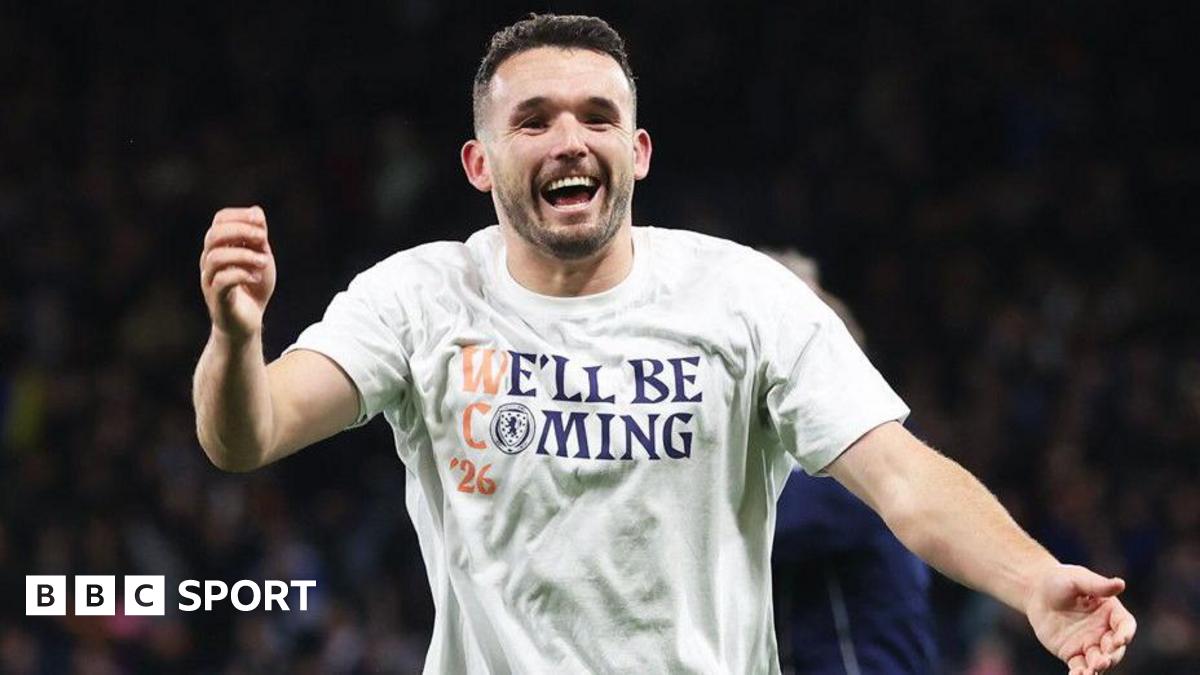
Let's be honest, there are a few certainties in this life: death, taxes, and the collective, gut-wrenching panic of the Tartan Army the second a key player hits the deck. When word trickled out about John McGinn's injury, you could practically hear a million Tennent's cans simultaneously fall to the floor from Glasgow to Aberdeen. The man himself admitted he was "petrified" he would miss the World Cup. Petrified? John, mate, you and the entire country. For a moment, the dream of 2026 wasn't just in jeopardy; it was flatlining on the operating table.
It is March 30, 2026. The FIFA World Cup kicks off in just over ten weeks. For most nations, an injury to one midfielder, even a very good one, is a problem to be solved. For Scotland? It's a full-blown existential crisis. This isn't just about losing a player; it's about losing the engine, the heart, and the gloriously oversized backside that shields the ball from defenders like a national treasure. Without McGinn, Scotland's midfield doesn't just lose a gear; it feels like the whole transmission has been ripped out and tossed in the Clyde.
More Than a Midfielder, He's a Human Adrenaline Shot
You can throw all the stats you want at me—goals, assists, tackles. They don't capture the sheer, unadulterated chaos that John McGinn brings to a football pitch. He's not a holding midfielder. He's not a number ten. He's a one-man agent of mayhem, a Tasmanian devil in navy blue. He plays football like he's trying to win a bar fight and a game of chess at the same time. One minute he's spinning away from three players with a drop of the shoulder and that famous posterior, the next he's steaming into a challenge that makes you wince a little bit.
Think about the sheer force of will it takes to be *that guy*. The one everyone looks to when the chips are down, when the game is stuck in a muddy, attritional slog. That's McGinn. He's the guy who delivers the lung-bursting run in the 89th minute, the one who unleashes a speculative strike from 25 yards that somehow finds the top corner. He doesn't just play for the shirt; he wears it like a second skin, soaked in the hopes and fears of a nation that has seen more than its fair share of glorious failure.
Losing him would have meant deploying a midfield that was more sensible, more predictable, and infinitely more boring. It would have been a midfield that passed sideways and backwards, one that followed the coaching manual to the letter. McGinn doesn't read the manual. He just grabs the game by the scruff of the neck and drags it in the direction he wants it to go. That's not something you can replace. It's something you build your entire team around.
The Cold, Hard Truth: Scotland's Dangerous Addiction
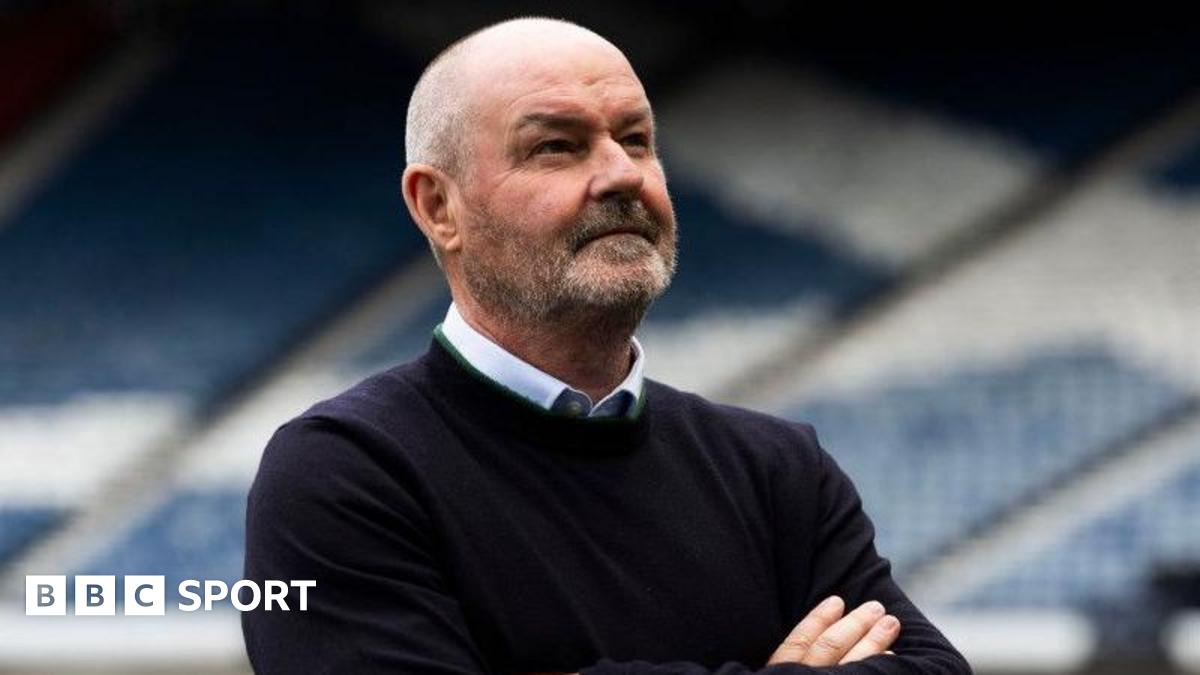
Here's the critical part, the bit nobody wants to say out loud while draped in a saltire. Scotland's reliance on McGinn is, frankly, terrifying. It's a testament to his brilliance, yes, but it's also a glaring indictment of the squad's lack of depth in game-changing talent. Steve Clarke has built a solid, organized, and fiercely proud unit. But take away the spark plug, and you're left with a very well-built machine that doesn't do much. The entire system is predicated on McGinn providing the link between a stubborn defence and a willing, if not always world-class, attack.
Who else was going to do it? Billy Gilmour is a lovely little player, a metronome who can dictate tempo. But he doesn't have that explosive, goal-threatening dynamism. Scott McTominay can arrive in the box and score goals, but he doesn't possess McGinn's ability to carry the ball 40 yards up the pitch. It's a squad full of specialists, and then there's McGinn, the Swiss Army knife who can do a bit of everything, and do it with an almost maniacal intensity.
The injury scare should be a massive wake-up call. It exposed the fragile architecture of Scotland's hopes. For a few weeks, managers in the other Group Stage teams must have been sleeping a little easier, knowing the Tartan Army's primary weapon was likely holstered. That's the uncomfortable truth: for all the talk of team spirit, one man's fitness holds the key to whether Scotland simply make up the numbers or actually make some noise.
He's Back. Now What?
So, the good news has landed. The crisis is averted. John McGinn is fit. The collective sigh of relief could have powered a wind farm. But the anxiety doesn't just vanish. He's back in training, but is he back? There's a world of difference between being declared fit by the physios and being sharp enough to boss a World Cup midfield. Every sprint will be watched, every tackle will be scrutinized. The first time he goes to ground and stays down for more than three seconds, an entire nation is going to have a collective heart palpitation.
The World Cup waits for no man. There are no warm-up games in the tournament proper. You have to be at full throttle from the first whistle of the first match. For McGinn, the race against time has been won, but the race for match fitness is just beginning. We can only hope that the man who was 'petrified' of missing out now channels that fear into the performances we know he's capable of.
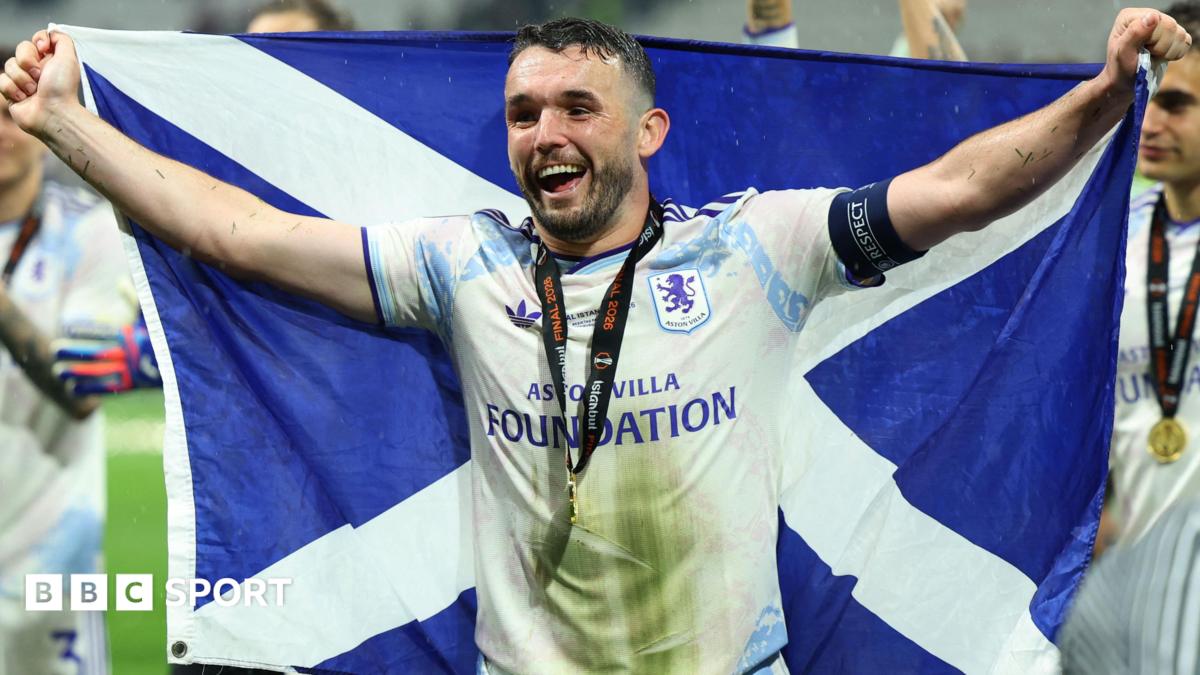
Ultimately, this is why we love the game. It's the drama, the narrative, the feeling that it all comes down to a few key moments and a few key men. For Scotland, the man is John McGinn. The entire World Cup campaign feels like a monument to his importance. He's the talisman, the hero, and for a terrifying moment, he was almost the tragic figure. Thank God he's not. Now, let's see if he can carry a nation's dreams on those powerful legs of his.
Read Next
- Scotland are sleepwalking into a World Cup disaster
- Scotland are about to find out exactly how hard it is to score on Ivory Coast
- Steve Clarke just lost the Tartan Army and his sacking is inevitable
- Belgium just humiliated the USMNT and Tuchel is finally dropping Maguire
- 🏆 World Cup 2026 — Full Coverage Hub
- 🏴 Scotland World Cup 2026 — Tartan Army Hub
- 🇧🇷 WC 2026 Group C — Brazil, Morocco, Scotland, Haiti