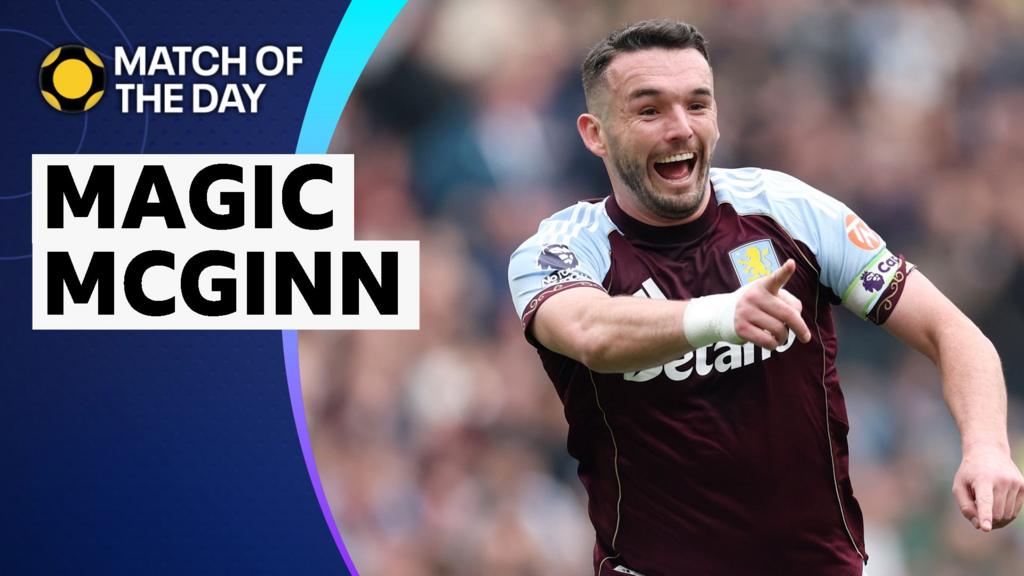
The physical toll of the international window
Scotland midfielder John McGinn has returned to club duty, but his recent comments highlight a recurring friction between international ambition and day-to-day physical management. Throughout the recent break, McGinn displayed significant fatigue, a common occurrence for players logging heavy minutes across both club and country schedules.
While no acute traumatic injury has been disclosed following the March matches, the midfielder’s workload is being closely monitored by club medical staff. McGinn has acknowledged that the intensity of qualifying cycles and friendly fixtures often leaves players depleted. As noted in a report from Sky Sports, the mindset of prioritizing tournament qualification over exhibition match results is embedded in his leadership style.
Roster management and tactical impact
The immediate concern for coaching staff is the rapid accumulation of minutes. Midfielders playing the box-to-box role require high-intensity recovery periods that the current fixture list does not allow. Should McGinn show continued signs of muscular tightness or fatigue, limiting his involvement in domestic matchday squads is the most likely mitigation strategy.
Historically, heavy reliance on high-output players like McGinn leading into summer fixtures has led to burnout. If his recovery metrics do not stabilize by early April, tactical shifts—including a move to a more conservative double-pivot midfield—may become necessary to reduce his ground coverage.
The upcoming fixture congestion
The club faces a demanding April schedule that includes multiple high-stakes matchups. With the UCL Quarter-Finals slated for April 07 and April 14, every healthy body is accounted for. Managing the fitness of core starters is now a delicate balancing act rather than standard rotation.
If McGinn is forced to the sidelines, the team loses its primary distributive engine in the final third. His absence forces a reconfiguration of the attacking transition, often resulting in a static buildup that allows opponents to settle into a low block. This lack of fluid movement is a persistent flaw that surfaces whenever key personnel are rested or nursing minor knocks.
Medical context and recovery trends
Fatigue-based injuries in Premier League footballers often follow a predictable pattern. Overuse syndrome typically presents as tenderness in the hamstrings or calves, usually occurring after 60 minutes of competitive play. Historical data on players with similar profiles suggests that a lack of proper rest periods during mid-season breaks significantly increases the risk of a soft-tissue tear.
There is no confirmation of a long-term setback, but staff are treating the next 10 days as a period of load management. The objective is to ensure availability for the significant European ties. Relying on conservative treatment for fatigue is common, but it carries the inherent risk of an eventual breakdown if the underlying exhaustion is not addressed.
Operational observations
The current approach to player welfare remains questionable at best. Expecting elite athletes to maintain peak performance during back-to-back international windows while simultaneously competing for European silverware ignores the biological ceiling of the human body. Management is essentially hoping that existing fitness levels carry the squad through the next three weeks without official medical intervention.
Failure to rotate the midfield effectively in the next two matches could render the point moot. If a starter is lost to a prolonged fitness issue during the April 07 or April 09 legs, the tactical identity of the side shifts entirely. The margin for error is shrinking, and the reliance on a single core group of players remains a glaring strategic weakness in the rotation policy.
Read Next
- Scotland's World Cup Dream Rests on John McGinn's Hamstrings
- Scotland need a tactical reset against Ivory Coast
- Arsenal stars Rice and Saka sidelined for England duty
- Newcastle’s Nick Woltemade is running out of time to convince the doubters
- 🏴 Scotland World Cup 2026 — Tartan Army Hub
- 🇧🇷 WC 2026 Group C — Brazil, Morocco, Scotland, Haiti