The Terry Takeover
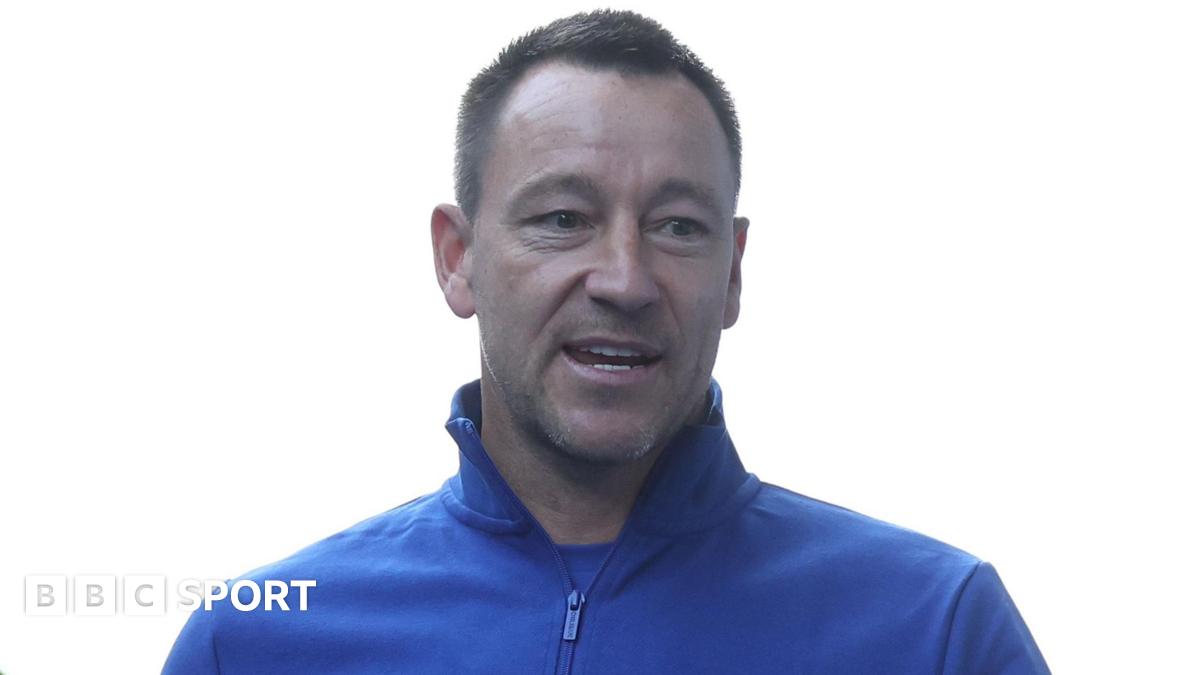
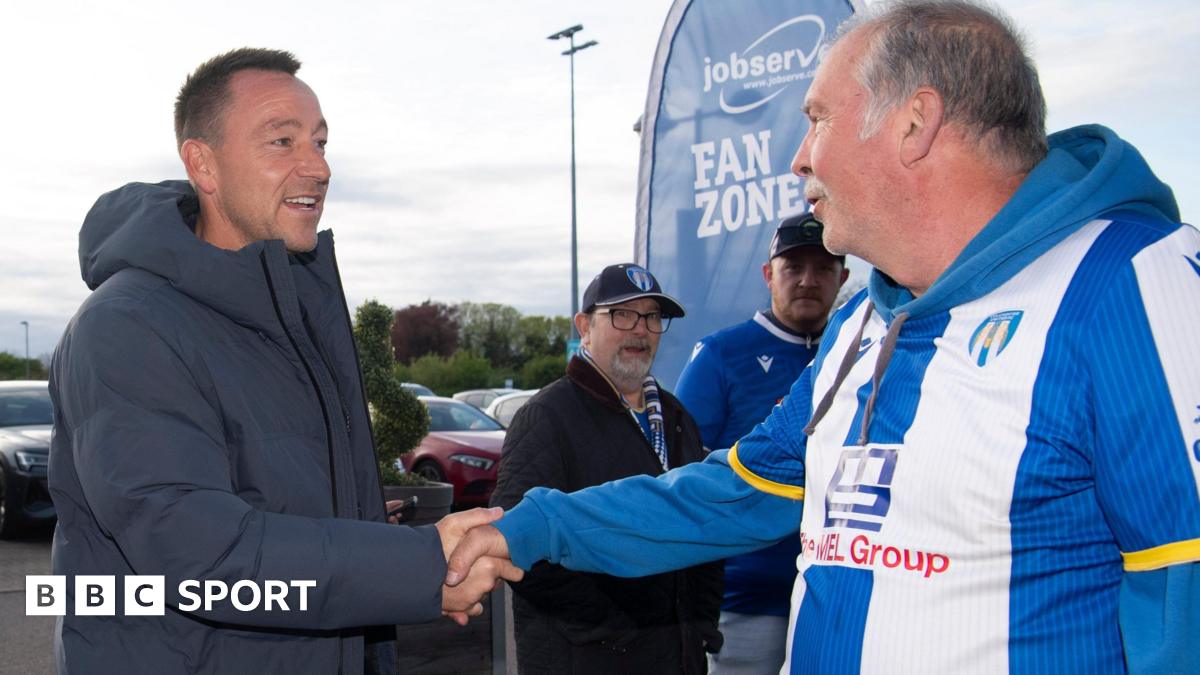
John Terry is the latest high-profile former player to pivot into club ownership. The Chelsea legend is reportedly finalizing a deal to purchase an EFL side, marking a transition from coaching to the boardroom. This move follows a period of heavy speculation regarding his intent to enter the ownership space after a previous bid involving a former teammate collapsed shortly before completion.
The mechanics of the deal suggest a significant financial commitment. While specific figures remain private, early indicators point to a valuation that aligns with the recent influx of celebrity interest in the lower tiers of English football. Terry is set to join an unconventional ownership class that already claims figures like Ryan Reynolds and Snoop Dogg as stakeholders in various clubs.
The Mechanics of the Deal
The takeover comes on the heels of a failed partnership. Terry was previously involved in a consortium with a Chelsea contemporary, but that deal dissolved when his partner withdrew from negotiations. Terry, undeterred by the initial setback, recalibrated and pushed forward with his own independent bid to secure the club.
This is a high-risk venture. The EFL landscape is littered with examples of celebrity-driven projects that promised prosperity but delivered administrative headaches. Transitioning from the pitch to the front office requires navigating a complex web of financial fair play regulations, stadium logistics, and community engagement. Terry has never held a primary ownership role, which makes the learning curve inherently steep.
John Terry is set to join Ryan Reynolds and Snoop Dogg in owning a football club.
The skepticism surrounding this move is warranted. While Terry has the football pedigree, ownership is a different animal. Many former stars struggle to separate their desire for sporting success from the cold, hard realities of solvency and revenue growth. Critics argue that Terry might be underestimating the sheer volume of bureaucratic work that goes into running a club that is not bankrolled by the bottomless pockets of a Premier League giant.
What Changes for the Club
The immediate impact on the club involves a shift in visibility. Having a name like Terry attached to a project guarantees media attention that clubs at this level rarely sustain over a long period. In the short term, this helps with sponsorship deals, ticket sales, and player recruitment. Players are often drawn to the prospect of playing under the banner of a Premier League icon.
However, the question remains: does his presence provide actual stability? The history of celebrity owners often features a boom-and-bust cycle. They bring excitement and capital, but when the novelty fades, they must prove they can manage the operational health of the institution. If Terry views this as a vanity project rather than a long-term business commitment, the club could find itself in a vulnerable position once the spotlight shifts elsewhere.
The timing of this announcement is worth noting as we push toward the end of the 2025-26 season. With the promotion and relegation battles intensifying across the divisions, having a stable hand at the helm is paramount. If Terry arrives with grand promises of immediate promotion and stadium upgrades, he will face intense pressure from day one to show tangible progress on the balance sheet.
Success for Terry will be measured in operational efficiency and, ultimately, league performance. If he can leverage his network to bring in talent that other owners cannot reach, he might buck the trend of celebrity mismanagement. If he fails to recruit a strong administrative team to handle the day-to-day, the acquisition could become a massive drag on his post-playing reputation.
This deal represents a trend of professional athletes seeking control over their own narratives. In an era where media presence is as valuable as match results, Terry is buying into a market that prioritizes brand equity as much as league standing. Whether this leads to a sustained upward trajectory or a messy divorce from the club depends entirely on how much of his own capital and time he is willing to commit to the grind of the EFL.