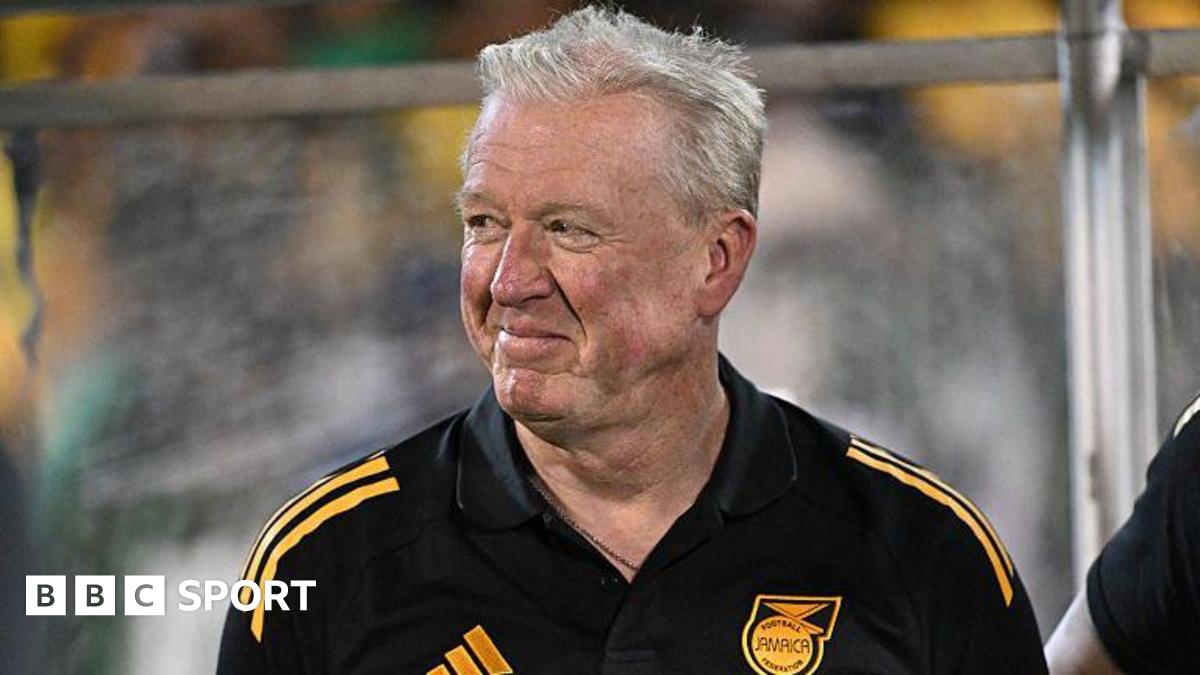
John Terry at Colchester United is a massive gamble for everyone involved
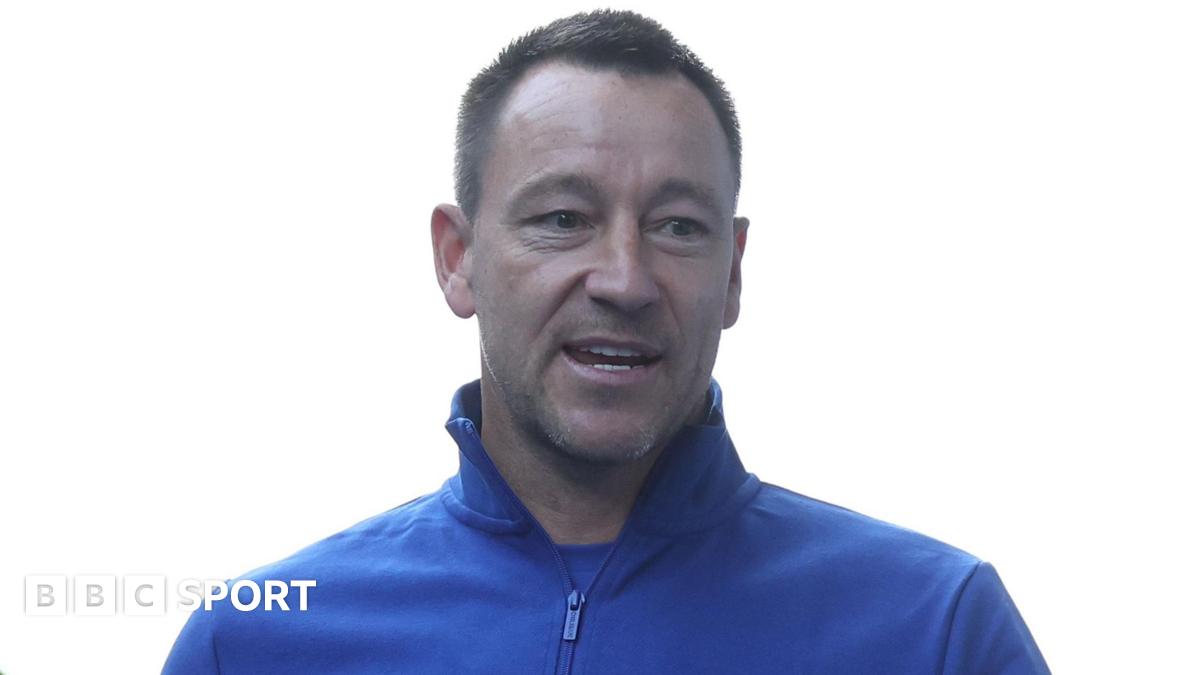
The Essex curveball nobody saw coming
There are certain headlines that force you to read them twice. Colchester United confirming "detailed" takeover talks with a consortium involving John Terry is absolutely one of them. As we sit here on April 13, 2026, the League Two club finds itself staring down a very strange crossroads.
Chairman Robbie Cowling has been at the helm for nearly two decades. His tenure has been defined by financial prudence and a productive academy, but also a depressing drift toward the bottom of the English Football League. Now, an unnamed consortium with the former Chelsea captain as its public face is circling the JobServe Community Stadium.
This is not a traditional managerial appointment. Terry is not arriving to simply wear a tracksuit and point at full-backs. Reports suggest a broader involvement, potentially an ownership stake or senior sporting director role that fundamentally shifts the power dynamics in Essex.
The Golden Generation ownership model
We have seen this script play out across the lower divisions. The Class of 92 turned Salford City into a Football League side, though their momentum has stalled completely in recent seasons. Wrexham provided the Hollywood alternative, powered by documentary revenue and an international marketing machine.
Terry stepping into the boardroom feels like a direct reaction to his stalled coaching career. Despite well-regarded stints as an assistant at Aston Villa and Leicester City, a permanent head coach role has always eluded him. The modern game demands a highly particular profile of head coach, and perhaps Terry has realised the boardroom offers a less volatile route to influence.
But League Two is an unforgiving environment that eats vanity projects alive. You only have to look at the struggles of various high-profile names dropping down the pyramid to realise that reputation buys you absolutely nothing on a wet Tuesday in Barrow. It requires a grim, unglamorous dedication to margins.
If Terry is bringing external wealth, the immediate assumption is a surge in the wage bill. Throwing money at League Two is notoriously inefficient. The clubs that succeed here do so through aggressive data scouting, clear tactical identities, and ruthless squad management.
Tactical realities of the fourth tier
Let us assume Terry drives the sporting vision. What exactly is a John Terry football team? During his time alongside Dean Smith at Villa, Terry was credited with organising a resilient low block and improving individual defensive fundamentals. Tyrone Mings frequently praised his one-on-one defensive coaching sessions.
However, League Two in 2026 is no longer about surviving pressure in a low block. The division has evolved dramatically over the last five years. Teams like Notts County and MK Dons have dragged the tactical baseline upward. Possession-heavy, high-pressing football is no longer the exclusive preserve of the Premier League.
If Terry attempts to instil a rigid, reactive style at Colchester, he will run into an immediate structural problem. The modern fourth-tier forward presses aggressively. The modern fourth-tier defender must be comfortable progressing the ball under extreme duress.
A back-to-basics approach might plug a leaky defence temporarily. To build a promotion-winning machine, Colchester will need a sophisticated progressive structure. Nothing in Terry’s coaching resume suggests he is an architect of modern attacking possession phases. The days of winning this division purely through set-pieces and deep defensive blocks are largely over, superseded by hybrid formations and aggressive counter-pressing.
The Colchester context
Colchester United have spent recent years flirting dangerously with the trapdoor to the National League. Cowling’s commitment to youth development has produced capable players like Sammie Szmodics and Frankie Kent, but the first team has suffered from a chronic lack of experienced spine.
Bringing in a consortium could provide the capital injection needed to secure established League One talent. Yet, this is where the fatal flaw in the plan often emerges. Aging players dropping down the divisions for a payday rarely deliver the intense physical metrics required to escape League Two.
If Terry uses his Chelsea connections to flood the squad with Cobham loanees, that presents another tactical hurdle. Under-21 football is highly technical but physically sterile. League Two is a physical, chaotic grind where talented teenagers frequently get bullied out of games by seasoned professionals who know how to manipulate the referee. You cannot survive a Tuesday night at Holker Street with a midfield entirely composed of nineteen-year-olds accustomed to pristine academy pitches.
The academy equation
Colchester’s Category Two academy is their most valuable asset. It consistently produces technically gifted players who are eventually sold up the pyramid to balance the books. A sudden shift in philosophy could disrupt this delicate production line.
If the unnamed consortium prioritizes immediate promotion via veteran signings, the pathway for academy graduates closes instantly. The under-18s currently thriving in the youth setup will look elsewhere if they see their route to the first team blocked by expensive, short-term arrivals.
Terry’s background at Chelsea’s academy might suggest a pro-youth stance. However, managing the transition from youth football to the aggressive reality of League Two is vastly different from producing talent for the Premier League 2. The physical demands of the lower leagues frequently break technical players who are thrust in too early.
The tactical identity crisis
We must also consider the existing tactical framework at the club. The current squad was built for survival, prioritizing defensive solidity over expansive possession. Ripping up that blueprint in a single summer requires massive turnover.
You cannot simply tell a squad of pragmatic lower-league grinders to suddenly play out from the back. The transition phase is brutal, often resulting in catastrophic defensive errors as players attempt to execute instructions beyond their technical capacity. We saw this exact scenario play out when Gary Neville attempted to overhaul Valencia's tactical setup mid-season.
If Terry and his consortium demand a stylish, possession-based approach to match their elevated profile, they will need a completely new midfield. Acquiring ball-playing holding midfielders who can also handle the physical combat of League Two is the most expensive and difficult task in the division's transfer market.
The boardroom transition
Transitioning from the dressing room to the boardroom requires a completely different skill set. A sporting director must manage budgets, negotiate with agents, and build a cohesive scouting network. They must remove emotion from decision-making entirely.
Terry was the ultimate emotional leader on the pitch. That aggression and passion defined his playing career. Translating that aggressive, front-foot mentality into the cold, calculated world of squad assembly is a massive conceptual leap.
Look at the data from recent successful League Two overhauls. The most efficient clubs identify undervalued metrics. They sign players who overperform in progressive carries or box entries in the National League, identifying non-league talent ready for the step up. They do not sign players based on 'proper character' or a recognizable surname attached to a declining physical profile.
Will Terry’s consortium invest heavily in a state-of-the-art analytics department? Or will they rely on traditional scouting and his personal network? If they choose the latter, Colchester are setting themselves up for an expensive, highly public failure.
The risk of the media circus
There is also the undeniable media circus that follows Terry wherever he goes. His mere presence will make Colchester United a target. Every away game will feel like a cup final for the opposition. Stadiums that are usually half-empty will suddenly find their voice just to hurl abuse at the directors' box.
This pressure trickles down directly to the players. The squad will have to operate under a media microscope that they are entirely unaccustomed to. For a team that has lacked mental resilience in recent seasons, adding a persistent media spotlight is a volatile combination.
Consider the fallout if the initial phase goes wrong. If Colchester start the upcoming 2026/27 season poorly under this new regime, the patience of the fanbase will evaporate instantly. A consortium led by a polarizing figure has very little margin for error before the atmosphere turns toxic.
Evaluating the consortium model
We do not yet know the identity of the financial muscle behind Terry. This is a massive missing piece of the puzzle. English football is littered with the wreckage of mysterious consortiums that promised the world and delivered administration.
The EFL's Owners' and Directors' Test will undoubtedly be applied, but it has historically been an incredibly low bar. If the money originates from private equity or leveraged debt, the long-term health of Colchester United is at severe risk. Cowling, for all his faults in the eyes of the supporters, always kept the club strictly solvent.
Trading financial stability for a lottery ticket fronted by a famous ex-player is a massive risk. The official confirmation of 'detailed' talks suggests the current ownership is seriously entertaining the idea, possibly exhausted by the endless financial drain of lower-league administration.
The broader implications for the EFL
This potential takeover reflects a broader, worrying shift in English football ownership. The middle class of the Football League is being squeezed dry. Clubs either need a billionaire benefactor or a unique marketing angle to break out of the cycle of mediocrity. The new EFL broadcasting deal demands narratives, and a former England captain walking into a League Two boardroom provides instant content for the rights holders.
Terry offers that marketing angle. He guarantees column inches in the national press. He guarantees television coverage. But he does not guarantee three points on a Saturday afternoon. The separation of commercial value and sporting value is the hardest lesson for new owners to learn, and many fail to grasp it until they are already fighting relegation.
If this consortium takes control, their first managerial appointment will be deeply telling. Do they hire a pragmatic League Two veteran to steady the ship? Or do they bring in a high-profile name with no experience of the division, purely for the aesthetic appeal?
A critical assessment
Frankly, the initial optics are highly troubling. The combination of an unnamed consortium and a star name looking for an entry point into football governance screams of a disjointed project. It feels like a group looking for a distressed asset rather than a group with a genuine, localized passion for Colchester United.
The JobServe Community Stadium is a fantastic facility. The academy holds Category Two status. The physical foundation for a higher division is already in place. The club does not need a revolution; it needs competent, modern football operations.
John Terry might possess the desire to succeed in this new sphere. But desire without a rigorous, data-driven framework is useless in the modern EFL. Unless the consortium arrives with a clear, progressive sporting vision that extends far beyond Terry's personal brand, this is a disaster waiting to happen.
Looking ahead to the summer window
With the current season drawing to a close, the timing of these talks is highly disruptive. Colchester need absolute clarity for their summer recruitment strategy. Players out of contract will be extremely hesitant to sign extensions without knowing who will be signing the cheques in June.
The EFL transfer window requires fast, decisive action. While the consortium conducts due diligence, other clubs are already securing their primary targets. Every week spent negotiating in London boardrooms is a week lost in the transfer market.
If the deal collapses, Colchester will be left scrambling for free agents. If it goes through, they will be playing catch-up under immense pressure. Either way, the vital preparation for the 2026/27 campaign has been severely compromised by this development.
Final thoughts
Football is fundamentally an entertainment business, and this developing story is undeniably entertaining. But for the supporters who travel to Grimsby and Carlisle on freezing winter nights, this is about the soul and survival of their football club.
They have watched their team stagnate for years. The desperation for change makes them vulnerable to false dawns. John Terry arriving in Essex sounds like a massive coup on paper, but football matches are never won on paper.
They are won by cohesive squads, intelligent recruitment, and absolute tactical flexibility. Until this unnamed consortium proves they understand those basic tenets of modern football, the Colchester faithful should remain deeply skeptical. A big name guarantees headlines, but it does not guarantee competence.
Read Next
- John Terry joins the growing list of celebrity football club owners
- Arsenal are folding under the pressure of the title race
- Why Tottenham targeting Robertson is a tactical mismatch
- West Brom is playing a dangerous game with their financial accounts
- ⚽ EFL League Two 2025-26 — Promotion Race & Play-Off Final Hub
Ruffneck Scarves USA Soccer Scarf - National Team Scarf
The essential accessory for every fan heading to World Cup 2026.
More Coverage
Michael Skubala ditching Lincoln for Bristol City is a massive gamble
6 minutes ago
Why England must fear Panama's disciplined low block
57 minutes ago
Arsenal vs PSG: Why tactical rigidity will determine the European champion
2 hours agoLincoln City just entered the weirdest experiment in League One history
3 hours ago
Lincoln City's joint-manager gamble is a blueprint for disaster
4 hours ago
Arsenal’s title win has changed the math for London football
6 hours agoMore Analysis
John Terry is about to find out that League Two doesn't care about his medals
1 month, 2 weeks ago
John Terry is buying Colchester and the internet is already in full kit
1 month, 2 weeks ago
John Terry at Colchester is the bizarre takeover story we deserve
1 month, 2 weeks ago
John Terry at Colchester and Garnacho's weird social media pivot
1 month, 2 weeks ago
Top 10: Terry
1 month, 2 weeks ago