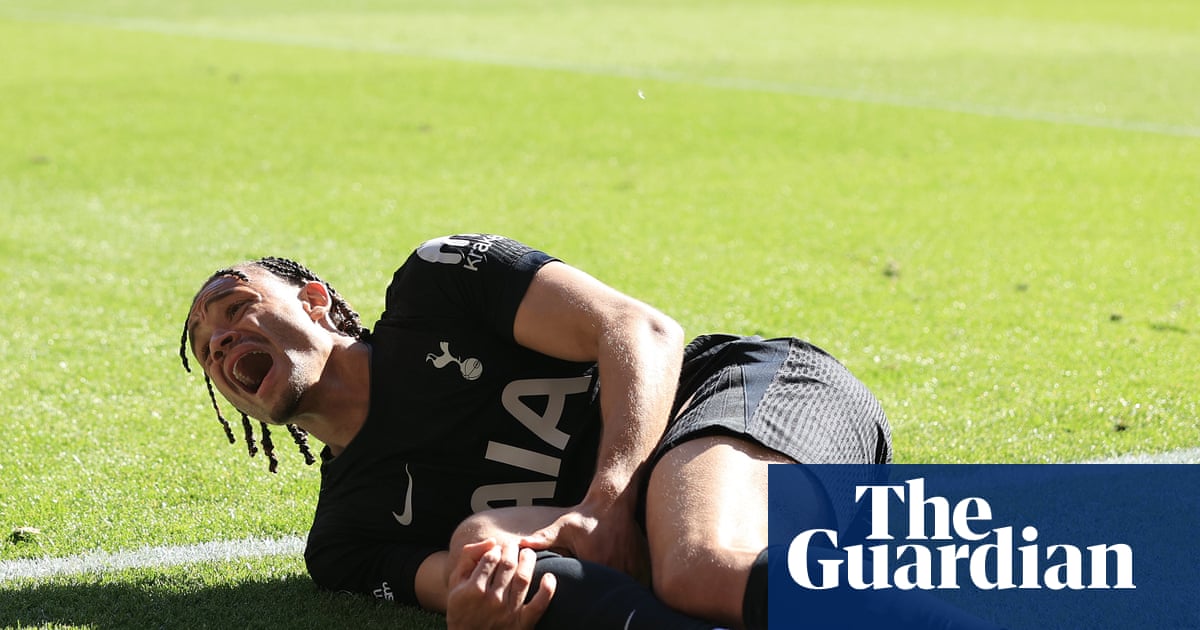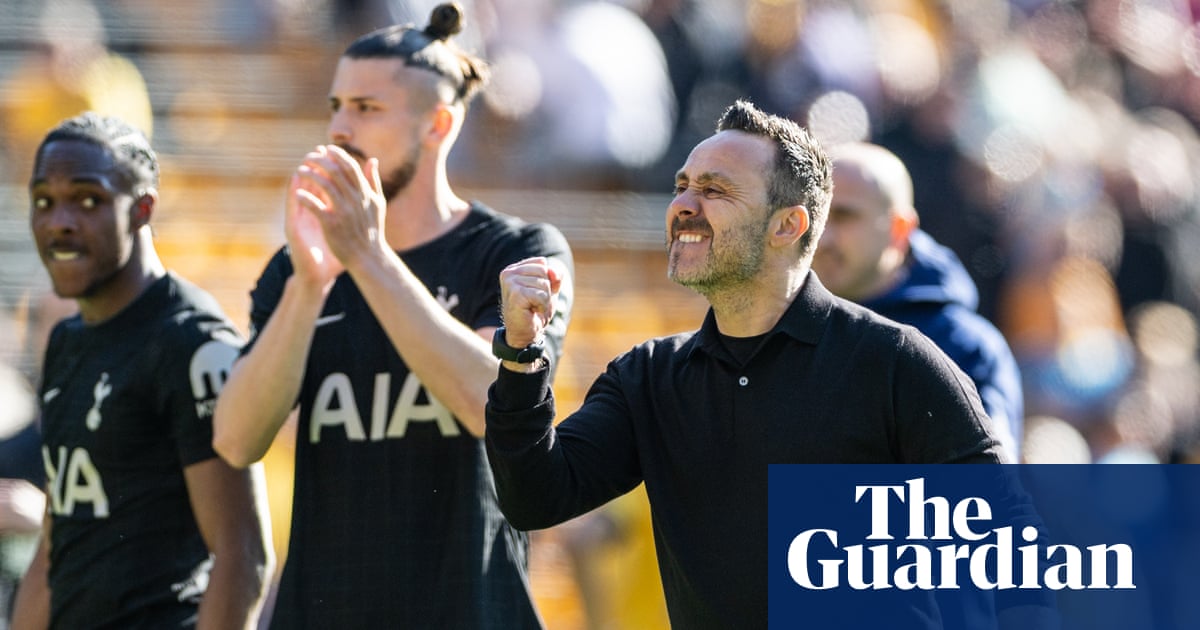
The news dropped on a mundane Monday morning, but the shockwaves will be felt from North London all the way to Amsterdam. According to the latest reports from Sky Sports, Tottenham Hotspur star Xavi Simons has suffered a severe knee injury. He will miss the remainder of the domestic season. Worse still, he is officially ruled out of the 2026 FIFA World Cup.
The timing could not possibly be worse. We are sitting on April 27. The Premier League is entering its final, chaotic sprint. The Champions League semi-finals kick off tomorrow. The World Cup begins in exactly 45 days. To lose a player of this caliber right now is a brutal reminder of the physical toll this sport demands.
Simons was not just having a good season; he was having a defining one. He was the chaotic, driving force behind Ange Postecoglou’s system at Tottenham. He was the undisputed focal point of Ronald Koeman’s attacking plans for the Netherlands. Now, both managers are left staring at a tactical void that cannot be easily filled. A knee injury of this magnitude changes everything.
Tottenham’s creative engine stalls out
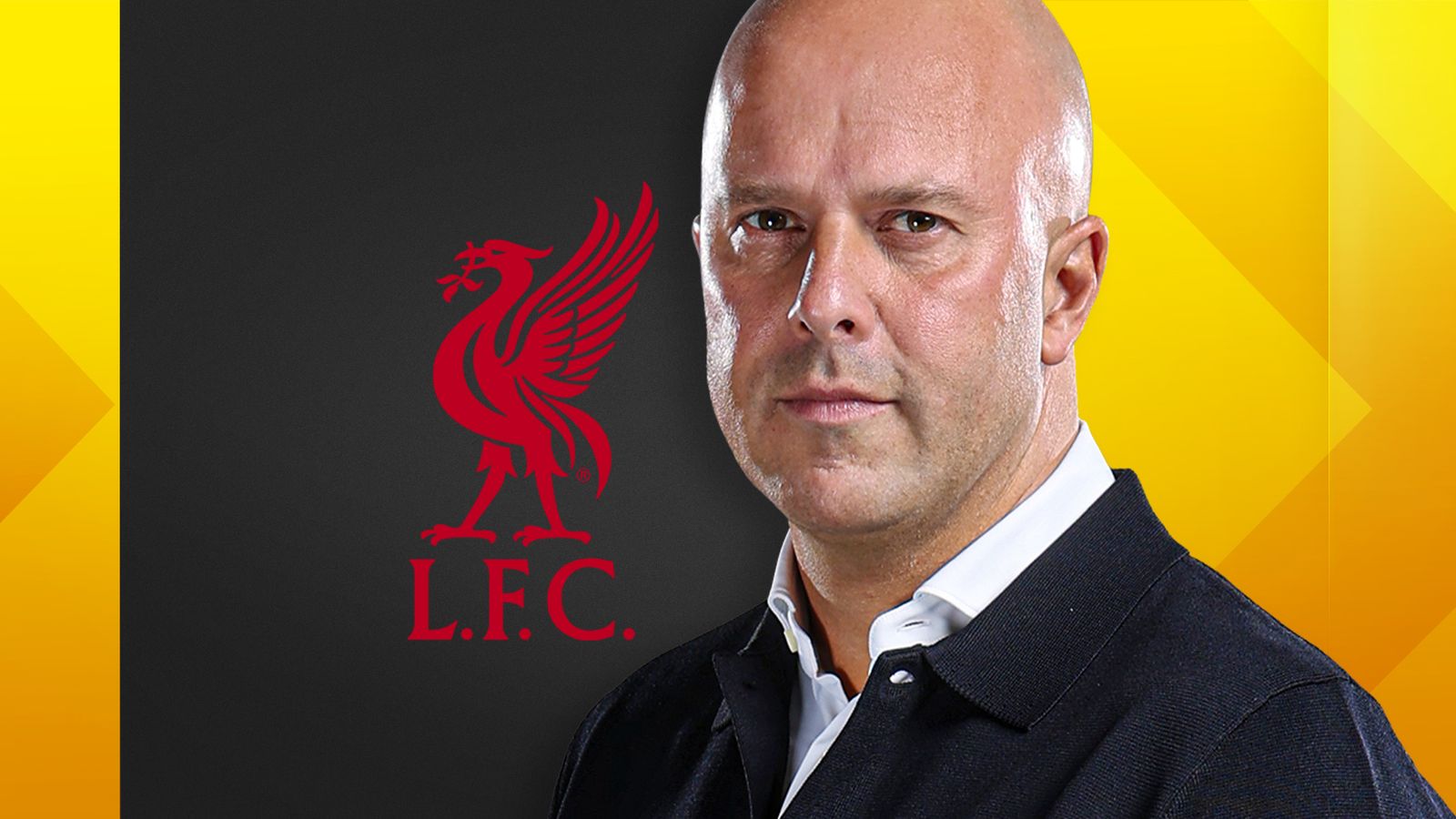
Ange Postecoglou has built a reputation for relentless, attacking football. But that system relies heavily on specific player profiles. You need a number ten who can press like a rabid dog out of possession and pick a lock with a single pass when on the ball. Simons was the perfect embodiment of that philosophy.
When Tottenham faced low-block defenses this year, it was rarely James Maddison or Son Heung-min who broke the lines first. It was Simons. His ability to receive the ball on the half-turn, accelerate past a holding midfielder, and immediately attack the center-backs gave Spurs a terrifying unpredictability. Without him, their attack often devolves into slow, methodical passing around the perimeter of the penalty box.
We saw glimpses of this rigidity when Simons was rested during domestic cup ties. The tempo dropped. The transitions lacked venom. Now, Postecoglou must navigate the most high-stakes weeks of the season without his main catalyst.
Maddison will undoubtedly be asked to shoulder a heavier creative burden. Dejan Kulusevski might be instructed to drift inside from the right wing to overload the middle. Perhaps young Lucas Bergvall gets thrown into the fire. But none of these players replicate what Simons brings to the pitch. They do not have his raw acceleration. They do not have his aggressive ball-carrying ability.
This is where Tottenham’s squad management deserves some sharp criticism. The club knew the calendar was absurdly packed. They knew Simons was logging heavy minutes week after week. Yet, Postecoglou repeatedly refused to rotate him in matches that were already comfortably won. When a player logs over 3,000 minutes before May, a physical breakdown is a statistical probability. Spurs gambled with his fitness, and they lost spectacularly.
A nightmare for the Netherlands
If the mood at the Tottenham training ground is grim, the atmosphere at the KNVB headquarters must be entirely desolate. The 2026 World Cup in the United States, Canada, and Mexico was supposed to be the tournament where Simons announced himself as a genuine global superstar.
Ronald Koeman spent the last 18 months figuring out exactly how to maximize Simons’ output in an orange shirt. He built the entire transition game around his pace. With Cody Gakpo on the left and Donyell Malen on the right, Simons was the central pivot point for every counter-attack.
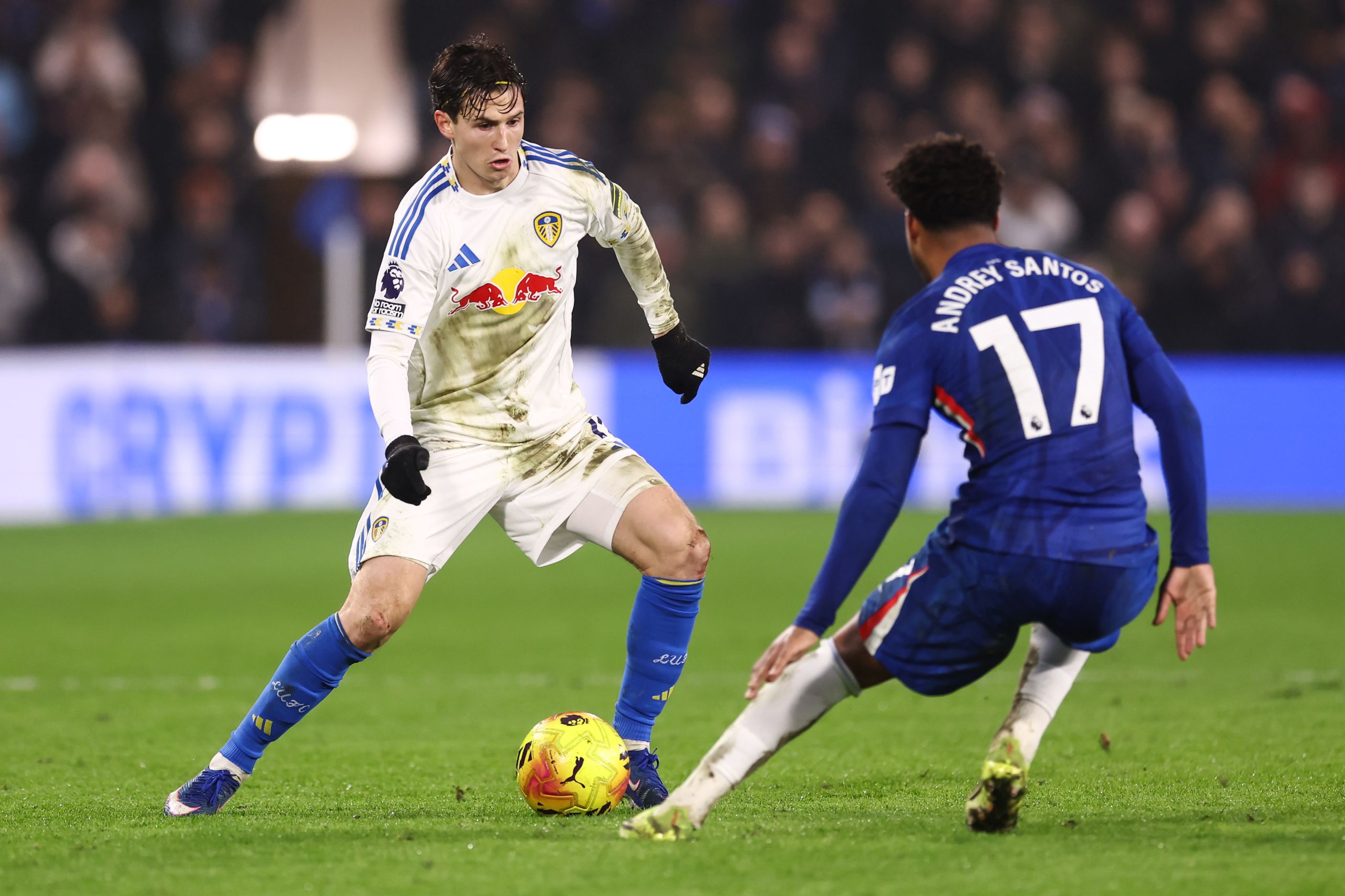
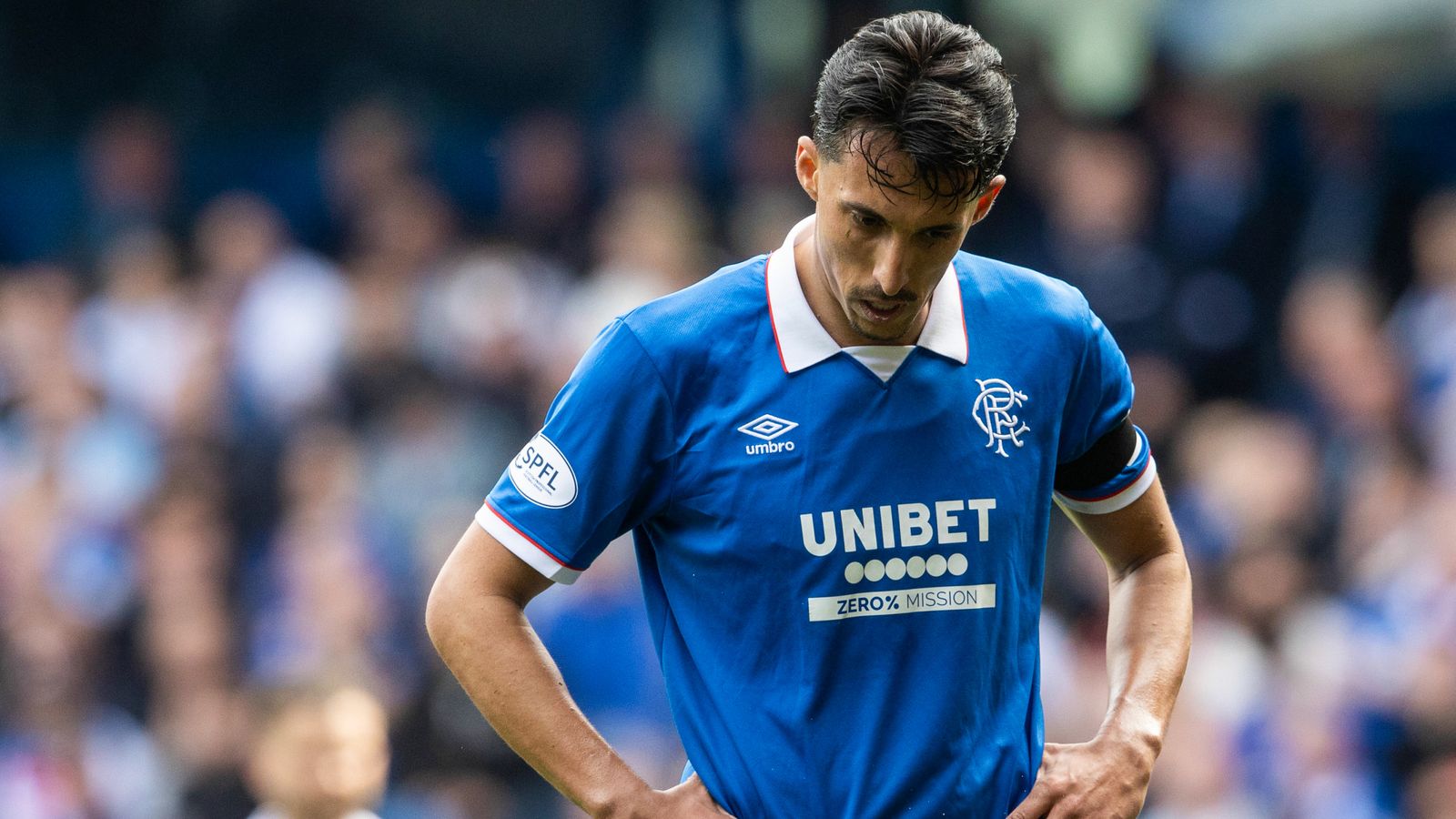
Now, Koeman has less than seven weeks to completely redesign his attacking structure. You cannot simply plug another player into that role. Teun Koopmeiners is a fantastic technician, but he does not possess the speed to terrify international defenders. Tijjani Reijnders is a brilliant box-to-box engine, but he is not a pure creator in the final third. The Dutch squad is deep, but it lacks a direct replacement for this specific profile.
This type of late-season heartbreak is becoming a grim tradition in international football. We all remember Michael Ballack missing the 2010 World Cup after a horrific tackle in the FA Cup final. We remember Marco Reus tearing his ankle ligaments in a meaningless friendly just days before Germany flew to Brazil in 2014. More recently, Sadio Mane was ruled out of the 2022 tournament in Qatar at the very last second.
It forces managers to throw out years of preparation. Koeman will have to rely heavily on his defense. Virgil van Dijk, Nathan Ake, and Matthijs de Ligt will have to carry the team through the group stages. The attack will inevitably become more pragmatic. The Dutch fans were expecting heavy metal football this summer. Instead, they might get a gritty, defensive slog.
The breaking point of the modern calendar
It is entirely impossible to discuss this injury without addressing the wider context of player welfare. The modern football calendar is broken. It is a relentless, unforgiving machine that grinds elite athletes into dust.
UEFA expanded the Champions League format, forcing teams to play more high-intensity group stage matches. Domestic leagues refuse to reduce the size of their divisions. The upcoming World Cup has been bloated to 48 teams, adding yet another layer of physical strain.
Managers complain about it constantly. Medical staffs warn about it. Players strike over it in closed-door union meetings. But the governing bodies simply nod politely and then sign another billion-dollar broadcasting deal. The television inventory must be filled, regardless of the cost to human ligaments.
Knee injuries, particularly anterior cruciate ligament tears and severe meniscus damage, are spiking across the top five leagues. This is not a coincidence. When you demand that players sprint at maximum capacity three times a week for ten straight months, their bodies will eventually fail.
The sports science is better than it has ever been. Recovery protocols are heavily optimized. Diets are meticulously tracked. But none of that matters when the sheer volume of matches exceeds what the human body can tolerate. Simons is just the latest victim of a system that prioritizes revenue over health.
What happens next
For Tottenham, the immediate focus is sheer survival. They have to scrape together enough points in the final weeks of the Premier League to secure their objectives. If they fail, the autopsy will inevitably point back to this exact moment. A club cannot claim to be a serious contender if losing one 23-year-old completely derails their season. They must spend heavily in the summer window to ensure they are never this thin in midfield again.
For Simons, the reality is incredibly bleak. A knee injury that wipes out a summer tournament requires a long, agonizing rehabilitation process. He will spend June and July locked in a gym in London, doing leg presses and isolated mobility work, while his international teammates play on the biggest stage in the world.
The mental toll of that isolation is often worse than the physical pain. He will have to watch the World Cup on a screen, knowing he should have been the main attraction.
Tottenham’s medical staff will take zero risks with his recovery. There is no incentive to rush him back for the start of the 2026-27 season. A premature return from a major knee injury almost always leads to secondary muscular issues. We might not see him at full speed until October or November.
Until then, we are left to wonder what might have been. Simons was primed to dominate the summer. Instead, he joins the ever-growing list of elite players broken by an unforgiving schedule. The sport is undeniably poorer without him on the pitch.
Read Next
- Spurs' season collapses as Xavi Simons injury ruins World Cup dream
- Spurs' survival hopes might have just vanished with Xavi Simons
- Xavi Simons' ACL tear is a total disaster for Spurs and the Dutch
- Top 10: Top Moments of April 2026
- 🏆 World Cup 2026 — Full Coverage Hub
- 🇳🇱 Netherlands World Cup 2026 — Oranje Hub