Tactical infusion: Evaluating the Barry selection
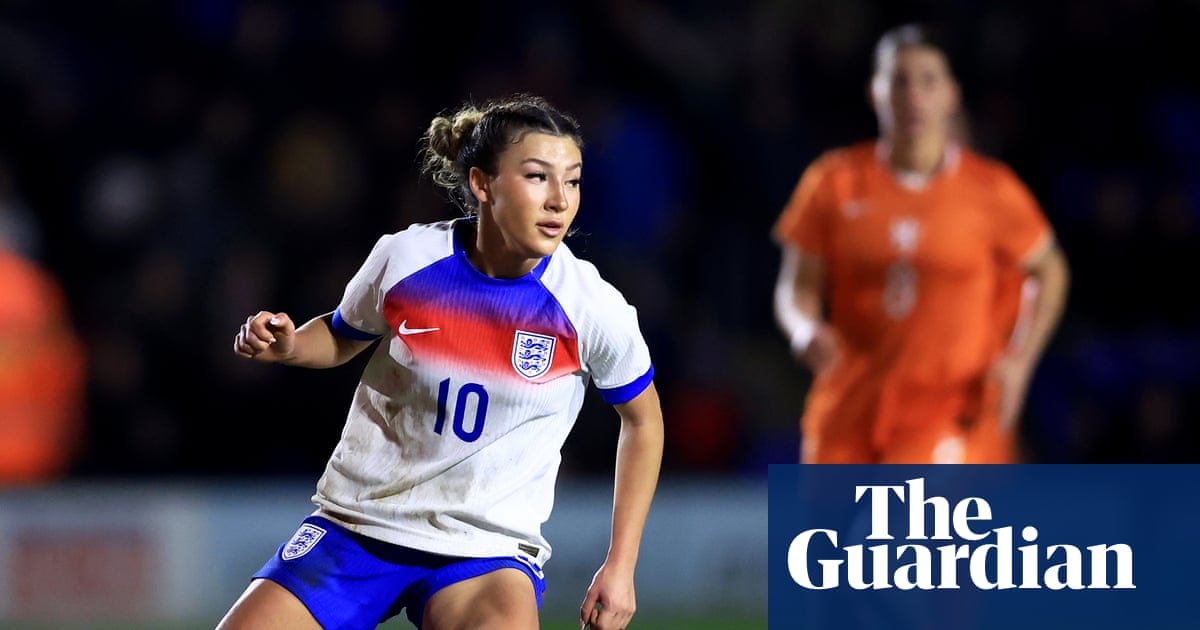
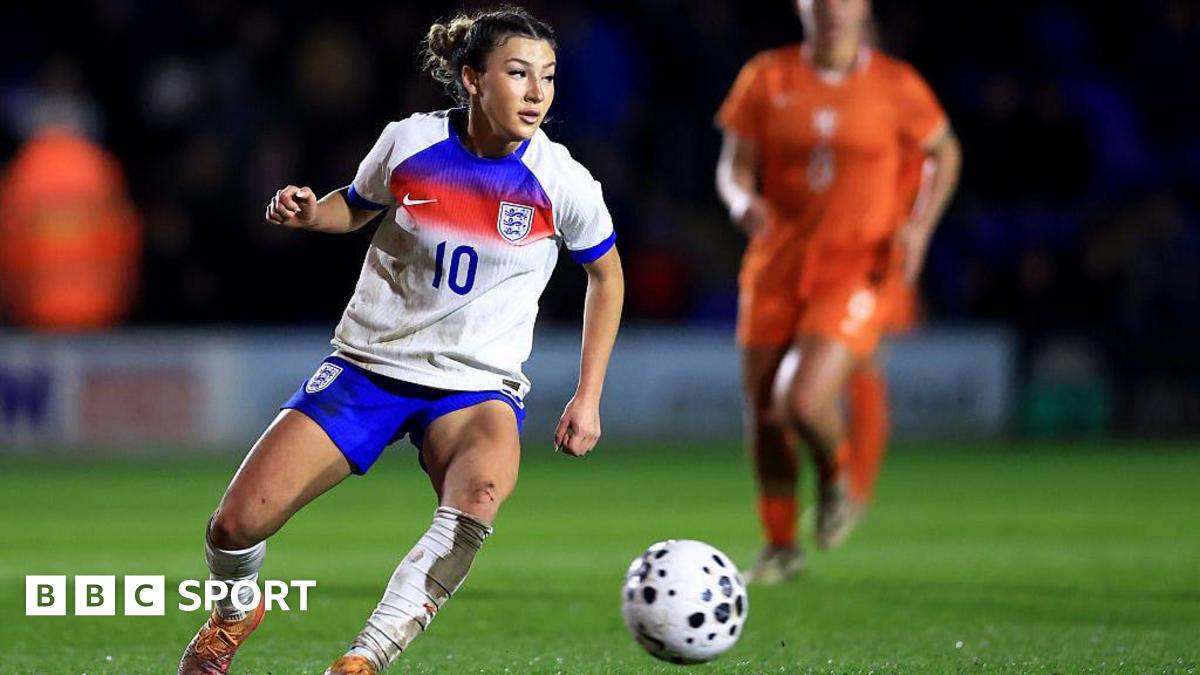
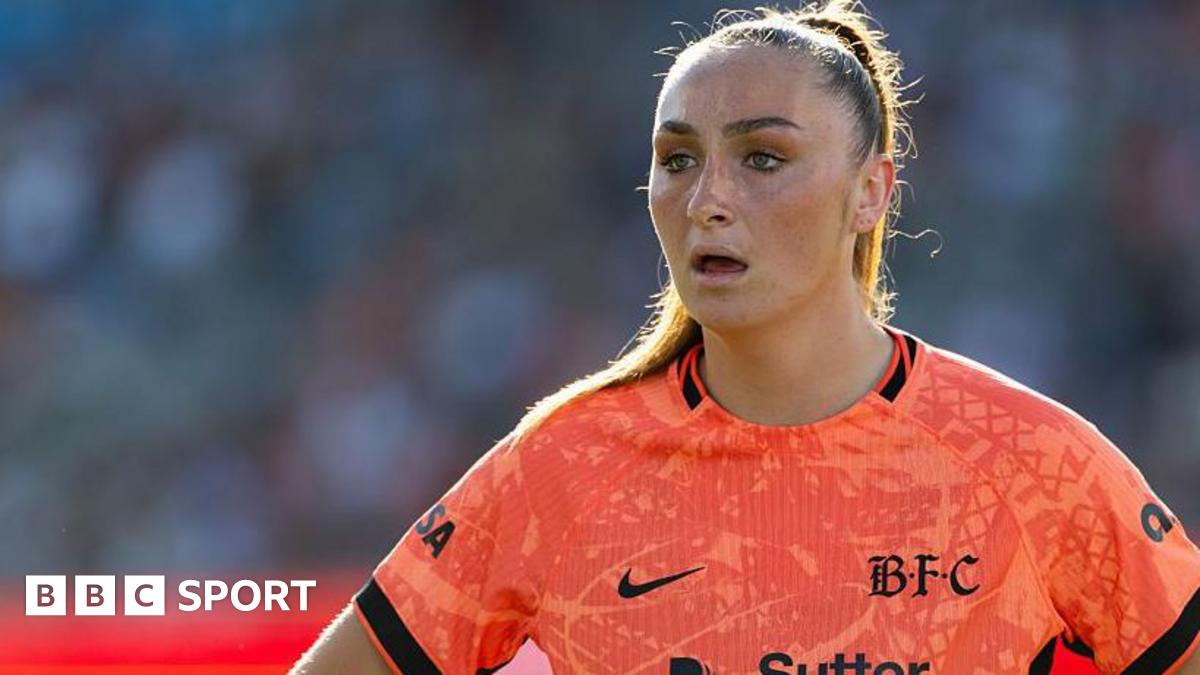
Sarina Wiegman’s decision to draft Keira Barry into the senior squad for the upcoming Women’s World Cup qualifiers against Spain and Iceland is a direct response to injury vacancy. With Freya Godfrey sidelined, the Bay FC forward earns her first call-up. The challenge for Wiegman is maintaining rhythm within a settled system that has prioritised control during the current qualification cycle.
Barry provides a fresh profile for the Lionesses' front line. While England’s standard tactical structure often leans on high-possession play, the inclusion of an active forward suggests a need for increased off-the-ball movement. Analyzing the current squad, Wiegman has consistently opted for players capable of shifting the point of attack rapidly. Barry’s effectiveness at Bay FC suggests she fits this requirement, though the transition from club level to international intensity remains the primary question mark.
The defensive arithmetic of the squad rotation
The addition of the fit-again Niamh Charles alongside Barry provides tactical flexibility for the matchups against Spain and Iceland. As The Guardian reported, the necessity for these changes stems from fitness concerns that have periodically hampered the side’s consistency. Managing the physical load of the roster is a recurring theme for Wiegman, especially when balancing domestic league commitments with international qualification rounds.
England currently holds a significant advantage in the group, yet the margin for error remains thin against sides like Spain. Wiegman’s reliance on a core group of players has served her well since she took charge. However, relying on a fixed rotation can often leave the side exposed to tactical predictability when key players drop out. The integration of Barry, who is unproven on this stage, is a gamble on raw dynamism over established chemistry.
Assessing the impact of the late change
Integrating new personnel during a qualification window is notoriously difficult. With matches fast approaching, there is very little time for training ground drills to embed a new forward into a high-pressing setup. This selection raises concerns about continuity in the final third.
While individual brilliance can occasionally overcome tactical gaps, the underlying metrics suggest success hinges on maintaining a completion rate of 85% or higher in the attacking half against organized defensive blocks. If Barry cannot adapt to the tempo required by Wiegman’s pressing triggers inside the first 20 minutes of her potential debut, the team risks becoming stagnant. The shift in squad composition marks a change in strategy that warrants close observation during these upcoming fixtures.
Read Next
- England lose Godfrey to injury as Bay FC's Keira Barry earns emergency call-up
- The Barry Breakdown: Evaluating a Rising England Prospect
- Arsenal need a miracle to salvage anything from this season
- Coventry on the verge of Premier League return as Championship race tightens
- 🏴 England World Cup 2026 — Three Lions Hub