Measuring impact beyond the scoreline
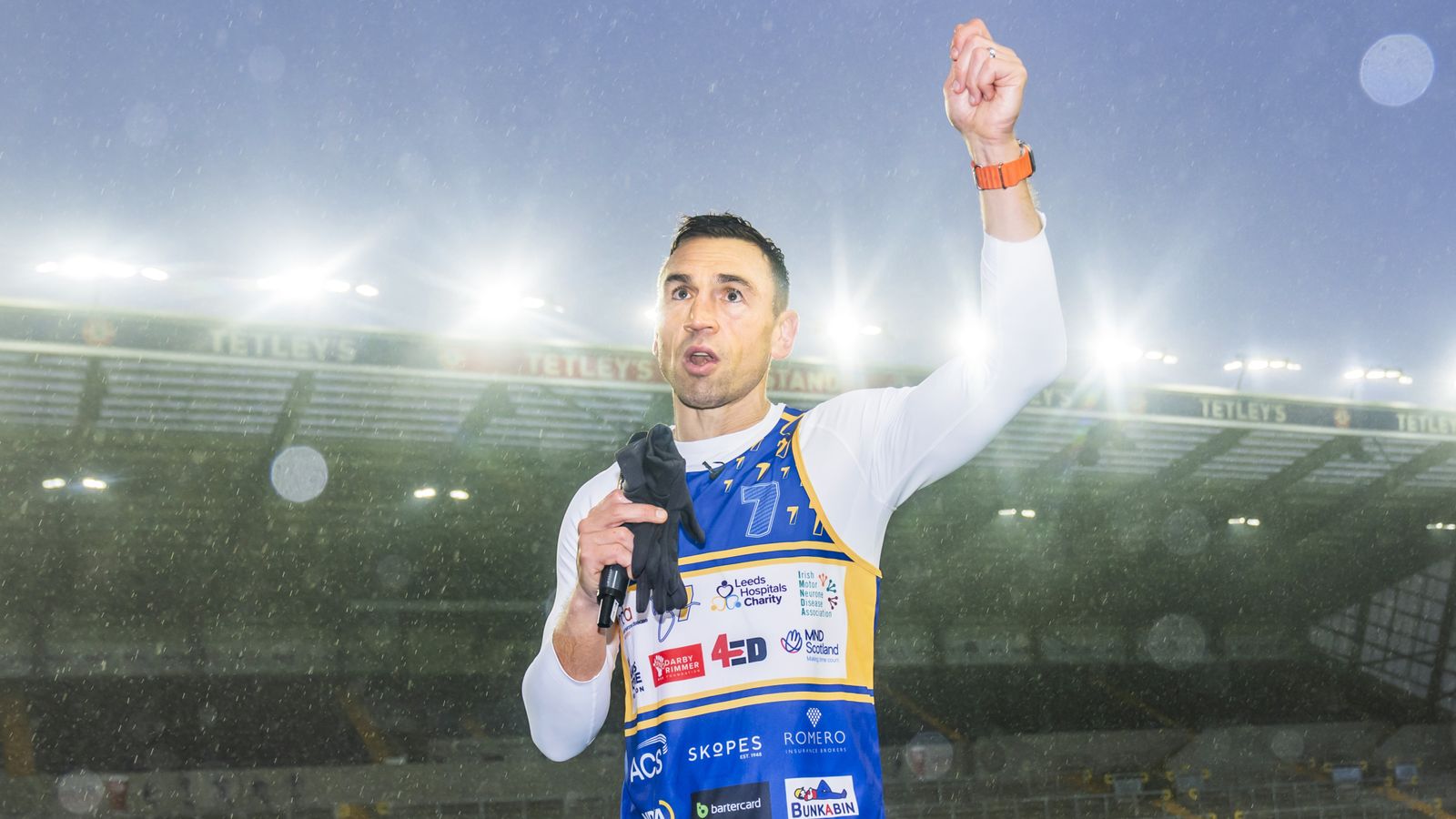
The announcement that Kevin Sinfield has been knighted in the King’s Birthday Honours is far more than a ceremonial gesture. It serves as an objective acknowledgment of a career that prioritized collective success over individual glory.
While the modern game is obsessed with granular metrics like yardage gained per carry or tackle completion rates, Sinfield’s contribution represents an intangible variable that data models frequently fail to capture. His transition from a legendary Leeds Rhinos captain to a figurehead for charitable causes demonstrates a level of influence that extends well into the community.
The infrastructure of leadership
In the professional era, leadership is often reduced to tactical instructions shouted from the breakdown. Sinfield’s tenure proved that authority works best when decentralized. He cultivated a locker room culture that allowed teammates to thrive in their specific roles, effectively managing the emotional output of a high-pressure roster for nearly two decades.
As Sky Sports confirmed this morning, the list of honorees also includes Emily Scarratt and Shaun Murphy, reflecting a broader shift in how sporting excellence is valued. It is rare to see the recognition of such longevity align so perfectly with public sentiment.
Setting the standard
Skeptics might argue that honors lists are divorced from the reality of the sport, yet Sinfield remains an outlier. His clinical approach to the game mirrored his later work—methodical, resilient, and immune to the noise of the media cycle.
The honors bestowed upon Luke Donald and the others listed underscore a professional standard that requires immense technical discipline. Sinfield’s recognition is not merely about past trophies; it is a validation of the discipline required to maintain peak competitive performance. He holds the record as the highest points-scorer in Super League history with 3,967 points, a figure that remains a daunting benchmark for any active fly-half regardless of the era.
Predicting the legacy impact
This knighthood cements his status as the definitive archetype for the modern dual-threat athlete. We will likely see a surge in similar recognition for retired players who pivot toward organizational or philanthropic work within five years of their final whistle.
The impact of this honor on the next generation of leadership will be immediate. Players emerging from academy systems are now watching a blueprint where the final years of a career are treated as a platform for wider societal contribution rather than a slow descent into retirement.