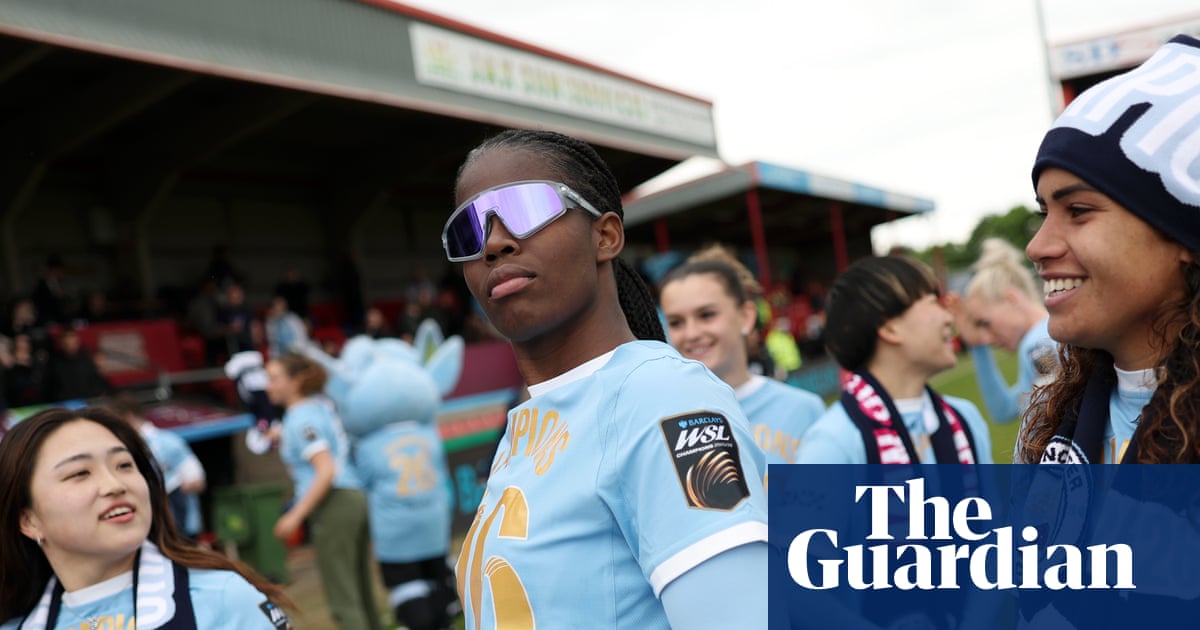
The stakes for April's golden boot winner
Khadija Shaw is at the center of Manchester City's preparations for the Women's FA Cup final on May 28. Following her latest performance against Chelsea, questions regarding her physical readiness have moved to the foreground. The clinical striker, essential to City’s offensive rhythm, reportedly managed discomfort throughout the closing stages of the semi-final.
While City successfully booked their ticket to the showpiece, the medical staff is currently monitoring a lower-body strain. The club has not provided a definitive return timeline, yet the nature of the injury suggests a strictly managed training load through the next two weeks. For a player whose movement is predicated on explosive acceleration, any restriction is a major concern for Gareth Taylor.
Why the timing is suboptimal
Manchester City has navigated a high-intensity schedule throughout 2026. This final against Brighton represents the apex of their competitive calendar, and they cannot afford a compromised Shaw. The striker's ability to operate in tight channels remains the primary engine of their attacking output.
Brighton’s recent form, underscored by their stoppage-time victory over Liverpool, suggests their defense is physically resilient. Nadine Noordam proved that Brighton can capitalize on chaos in the final minutes. If Shaw is limited, the pressure shifts to the bench to provide the necessary cutting edge against a squad riding significant momentum.
Historical precedents for late-season fatigue
We see this every year by early May. The physical cost of a domestic campaign manifests in muscular soft-tissue injuries during these high-stakes fixtures. History shows that managers who rush players back to 80% fitness often suffer a recurrence within the first 30 minutes of a high-tempo match.
City’s analytical team is surely crunching the data on Shaw’s sprint distances from the Chelsea game. If those numbers dropped significantly in the 75th minute, it serves as a red flag. Expect a conservative approach; they would rather have a fresh substitute than a starting striker who limps off before halftime.
The strategic implications
The absence of a reliable striker changes everything for Taylor’s tactical setup. Without Shaw leading the press and holding the ball, City loses their primary outlet. This requires defensive midfielders to push further up, leaving more space for Brighton’s counter-attacking threats like Noordam to exploit in transition.
Competitors are certainly paying attention. Brighton’s staff is preparing for their first appearance in a final with the anticipation that City might undergo a tactical reshuffle. If Shaw is sidelined, the dynamics of the 50/50 challenge change entirely. An unfit star can become a liability against organized defensive blocks that hunt for turnover opportunities.
Management needs to decide by May 20 whether she can withstand the demands of a full 90-minute championship test. Pushing her onto the pitch without sufficient recovery risks not only the result in the FA Cup but potentially her availability for the international window following the conclusion of the club season. This is a recurring booking challenge for top teams who rely on high-volume scorers.
Ultimately, City faces a binary choice: a restricted Shaw or a tactical adaptation that ignores her specific profile. Neither option keeps the opposition’s staff up at night, though the latter allows Brighton to play more aggressively. The margin for error on May 28 is exceptionally thin.
Read Next