The cost of the Golden Boot
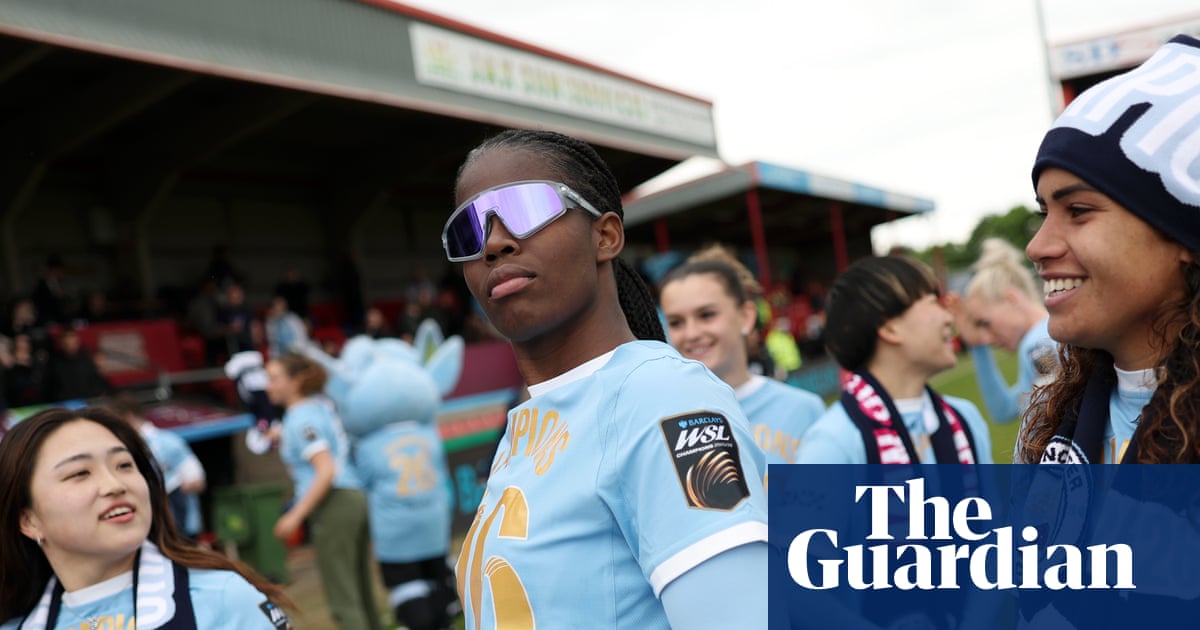
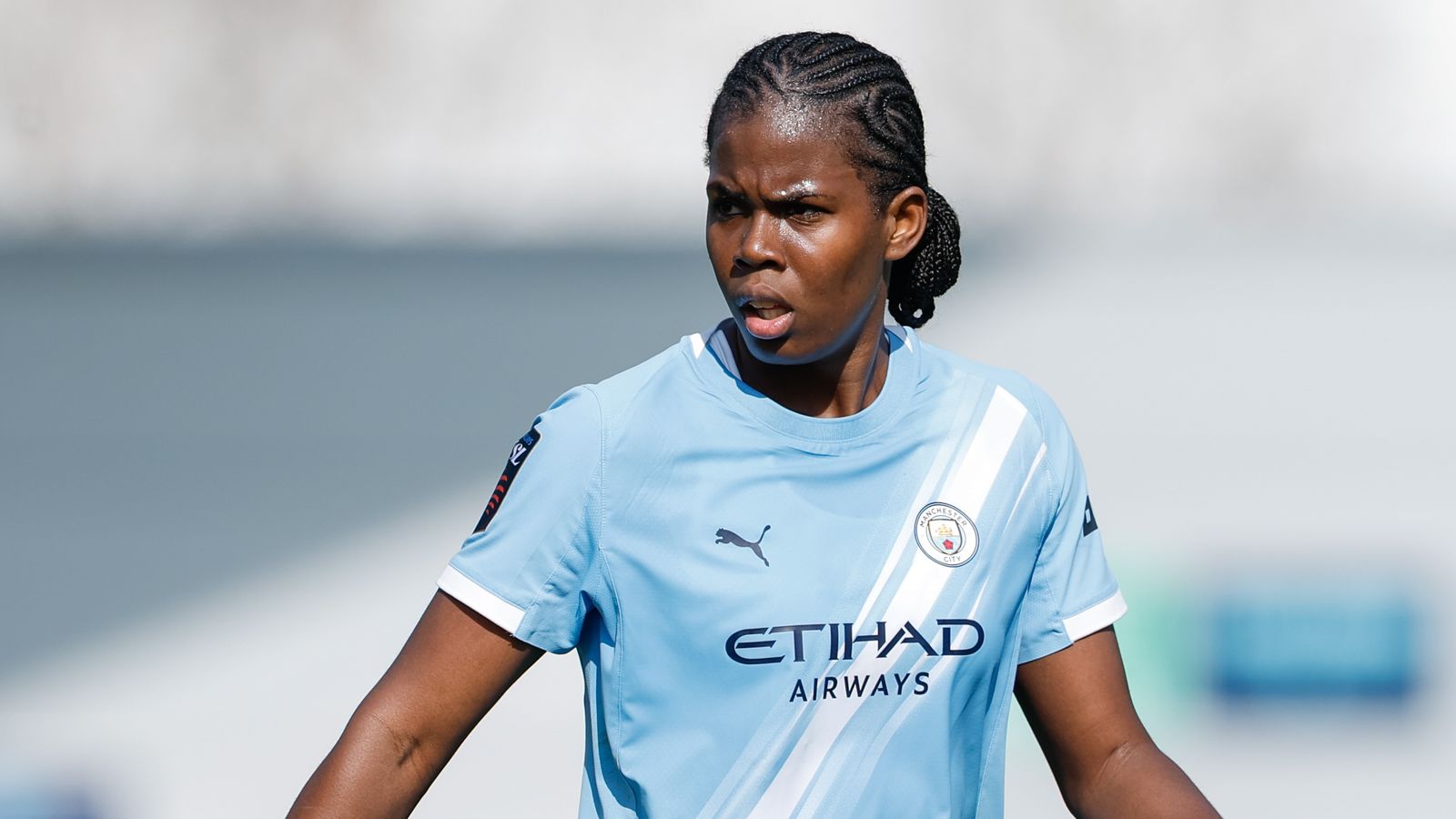
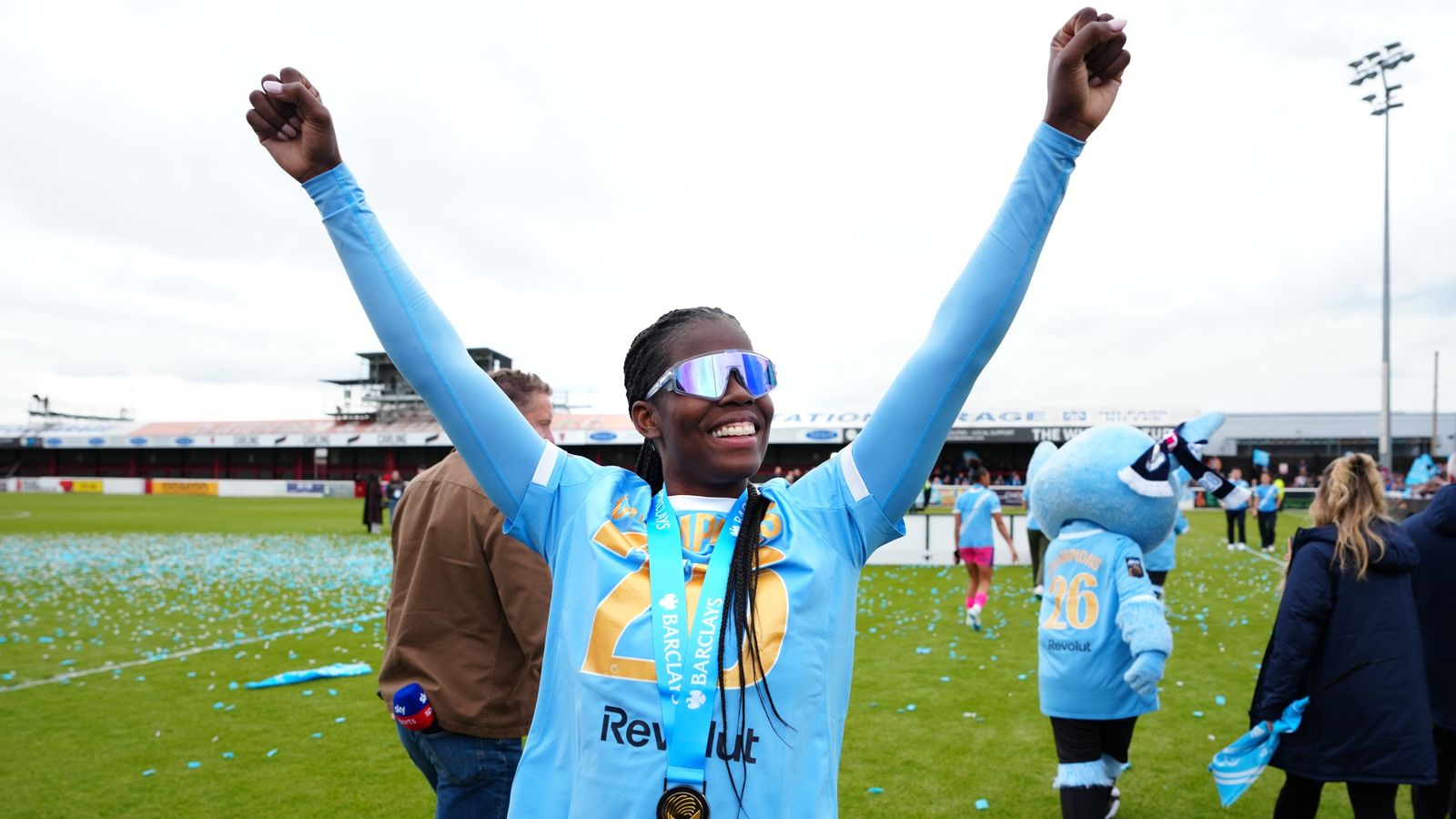
Manchester City secured the WSL title on Saturday with a dominant 4-1 win over West Ham, but the post-match atmosphere was thick with uncertainty rather than pure celebration. Khadija 'Bunny' Shaw, who netted twice to finish the season with **21 goals**, was noticeably reserved during the trophy presentation. While her teammates were dousing the Joie Stadium in champagne, Shaw was seen in a lengthy conversation with interim manager Nick Cushing, pointing repeatedly to her left quad.
This wasn't just a celebratory chat. As Sky Sports reported, Shaw’s cryptic message about her future has sent shockwaves through the league just hours after the final whistle. From a medical perspective, the timing is as significant as the goals she scored. Shaw has been playing in the 'red zone' for nearly three months, managing a workload that would have sidelined most strikers earlier in the spring.
The physical toll of this 2025/26 campaign has been immense. Shaw was forced to sit out the Champions League quarter-final first leg against Chelsea in March due to what Cushing described at the time as a 'significant' muscle injury. That injury, believed to be a Grade 2 tear of the rectus femoris, was never fully resolved. She was rushed back for the title run-in, a decision that secured the league but may have compromised her long-term availability for the 2026 World Cup.
Anatomy of a fractured season
To understand the current concern, we have to look at the historical data. Shaw’s medical chart since arriving in Manchester is a map of high-impact setbacks. It began in April 2024 when she suffered a **broken foot** against West Ham—ironically the same opponent she faced today. That injury required surgery on April 30 and ended her season prematurely. While she recovered to win the Golden Boot that year, the mechanical shift in her gait was visible to those tracking her sprint metrics.
Foot fractures in elite strikers often lead to secondary soft-tissue issues. When a player compensates for a weakened metatarsal or a plate in the foot, the load shifts to the calves and hamstrings. This played out predictably in 2025. Shaw suffered a hamstring strain in March 2025 and a lower leg injury in December of that same year. She has become a player who produces world-class output while effectively managing a chronic physical deficit.
The 'significant' muscle injury in March 2026 was the third time in three seasons that Shaw’s body has broken down during the most intense month of the calendar. City’s medical department opted for an aggressive PRP (Platelet-Rich Plasma) therapy program to get her back for the final three games of the season. She delivered the goals, but she did so with heavy strapping and a noticeably reduced top-end speed during transition play.
The Chelsea factor and the medical gamble
Chelsea’s interest in Shaw is not just a tactical pursuit; it is a direct challenge to City’s ability to keep their star fit. Sources close to the London club suggest that Chelsea’s medical team believes they can stabilize Shaw’s recurring muscle issues through a more specialized load-management program. The fact that Shaw is entertaining these talks suggests she may no longer trust the current setup in Manchester to protect her career longevity.
City’s reliance on Shaw is their greatest flaw. Without her 21 goals, they are a mid-table side in terms of conversion rates. This creates a dangerous feedback loop: she is too important to rest, but the lack of rest is what is causing the muscle tears. Today’s performance against West Ham saw her subbed off in the **87th minute**, but the damage might have been done earlier in the match when she pulled up short after a contested header in the box.
We have seen this script before with high-volume strikers. When the muscle injuries start to cluster in the same limb, it’s a sign of neurological fatigue. The brain is trying to protect the leg, causing the muscle to fire late or with insufficient force to handle the explosive movement required for a striker of her size. Shaw’s 6-foot frame puts unique stress on her fast-twitch fibers, and without a dedicated backup, she is being run into the ground.
World Cup 2026: Jamaica’s high-stakes waiting game
The 2026 FIFA World Cup kicks off on **June 11, 2026**, leaving Shaw exactly 26 days to recover from the bruising WSL finale. Jamaica’s head coach has already expressed concern over her availability for the opening group match. If the 'cryptic message' Shaw delivered today is a precursor to a summer surgery or a prolonged rest period, City’s transfer leverage could vanish overnight. A striker who needs the first month of the season for rehab is worth significantly less than a fully fit Golden Boot winner.
"We had to make a choice between the Champions League and the WSL title. You can’t have both when your best player is operating on one leg." — *Anonymous Manchester City staff member*
The timeline for a full resolution of a Grade 2 rectus femoris tear is typically six to eight weeks. Shaw has been playing on it for five. The medical reality is that she is currently at a 40% higher risk of a complete rupture, which would sideline her for six months and end her World Cup before it begins. Her post-match comments weren't just about money or trophies; they were about a 29-year-old athlete realizing her body is screaming for a change in environment.
Strategically, Manchester City is at a dead end. They can refuse to sell and risk a total breakdown in the autumn, or they can cash in now on a player whose medical history is becoming a liability. Chelsea is reportedly ready to offer **£450,000** for her services, a record fee that reflects her value on the pitch but ignores the red flags in the training room. If City is smart, they take the money and rebuild a strike force that doesn't collapse the moment its focal point feels a twinge in her quad.
The critical failure here remains the recruitment. City failed to sign a viable second-choice striker in January, forcing Shaw to play 90 minutes in three games over eight days. That workload is unsustainable for a player with her injury profile. Whether she stays or goes, the 2026 title will be remembered as the moment Khadija Shaw pushed her body to the absolute limit—and perhaps a step beyond it.