The end of the Chelsea pursuit
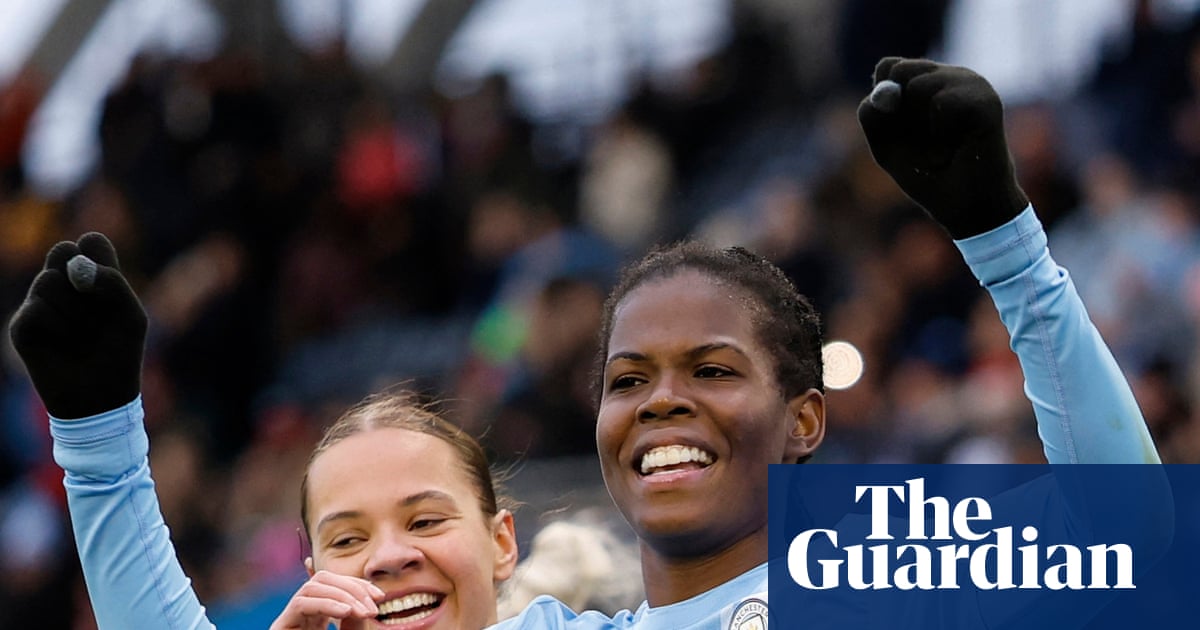
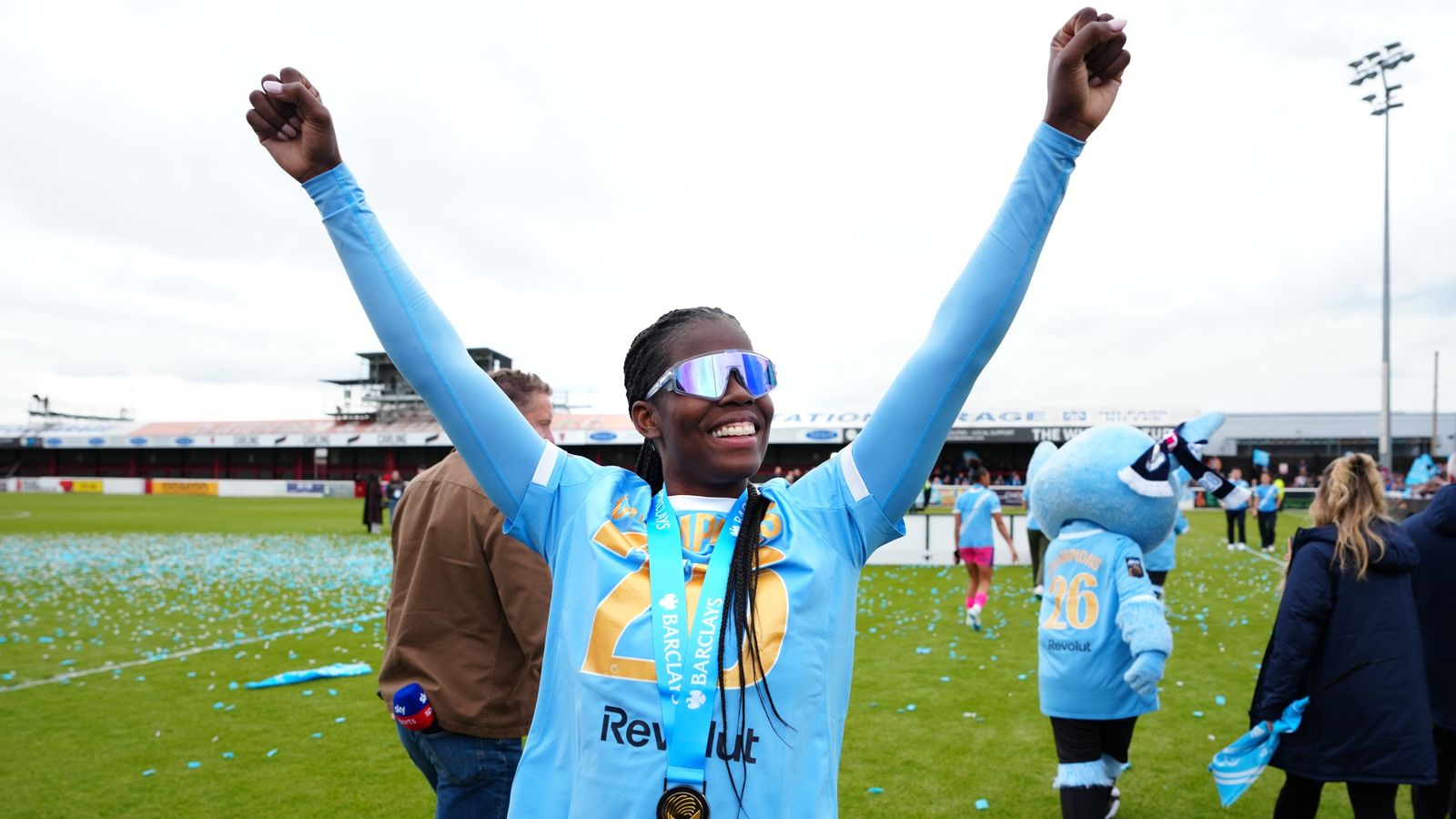
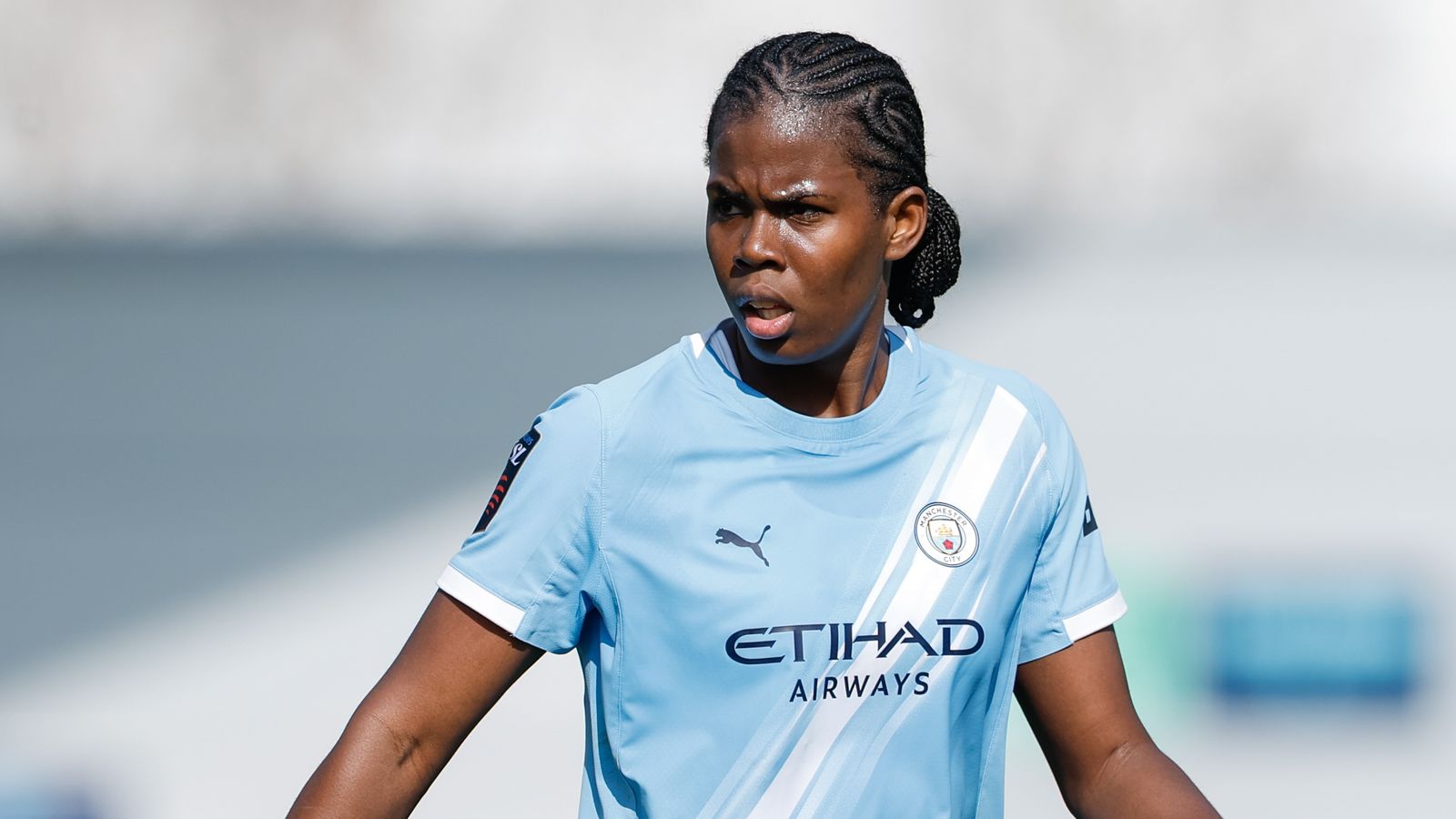
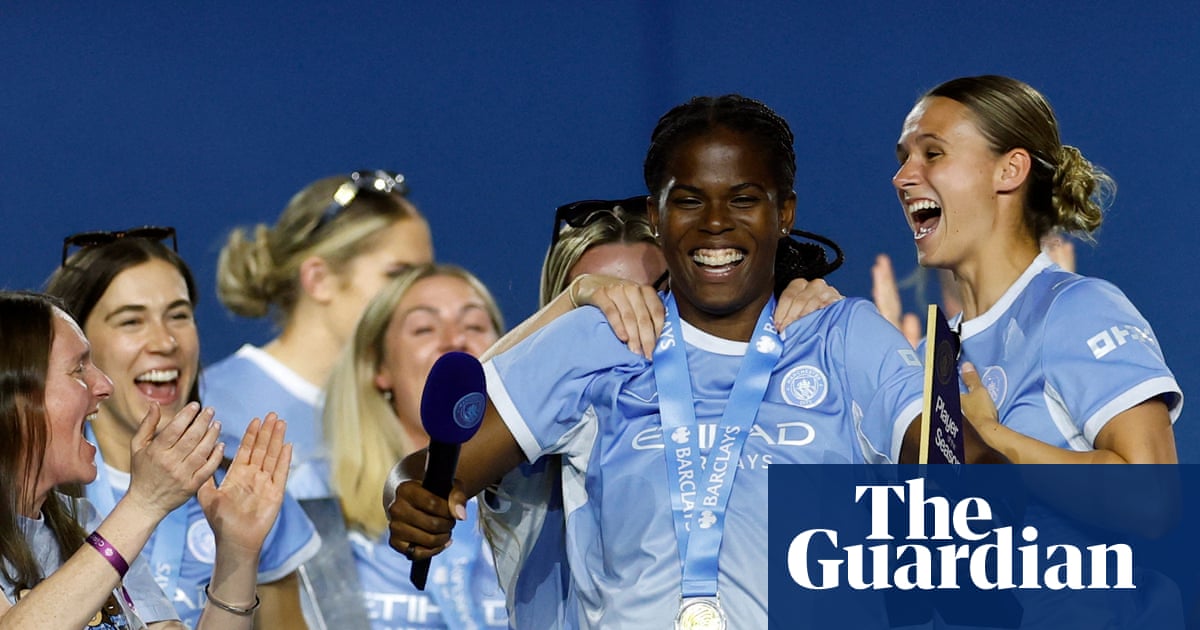
Khadija Shaw has shattered the glass ceiling of women's football wages. By signing a new four-year contract with Manchester City, she has officially slammed the door on a high-profile move to London. The striker was widely expected to join Chelsea this summer, a deal that would have tilted the competitive balance of the Women's Super League entirely in the Blues' direction.
This U-turn creates an immediate vacancy in tactical planning for Chelsea. They spent months building a recruitment profile centered around Shaw’s physical dominance and clinical finishing. Without her, they are forced to pivot to secondary targets while Manchester City secures their primary offensive anchor until 2030.
Tactical implications for Manchester City
Keeping Shaw is a statement of intent for a club looking to navigate a transition period. While the focus of English football is currently occupied by Pep Guardiola’s departure from the men’s side, the women’s team has ensured stability where it matters most. Shaw provides the focal point that allows for City’s high-possession style to actually yield high-percentage chances.
However, the financials associated with this deal warrant skepticism. Making a striker the highest-paid player in the world places immense pressure on her to carry the side during difficult stretches. If Shaw experiences a dip in form or a prolonged injury, Manchester City lacks a high-level secondary goal scorer of her caliber. This is a massive bet on a single athlete outpacing the collective tactical improvements of rival squads.
The financial landscape
While the exact weekly figures remain undisclosed, the industry-wide consensus confirms this is a record-shattering contract. It effectively removes any realistic chance for domestic competitors to pry her away with traditional transfer offers. Manchester City is no longer just shielding their best asset; they are setting a baseline for top-tier wages that smaller clubs simply cannot match.
This makes the parity of the league a genuine concern. We are seeing a consolidation of talent that could stunt the diversity of the title race over the next half-decade. Whether this salary floor helps the league grow or creates a stagnant hierarchy depends entirely on how other clubs respond to the challenge.
The missing trophy puzzle
The deal places 100% of the burden on Shaw to deliver major European silverware to the Etihad campus. City has often struggled to convert domestic dominance into the consistent ruthlessness required for a Champions League title. The front office is banking on her maturity and experience to finally bridge that gap.
The club hierarchy remains steadfast, but internal critics might point to the roster depth behind Shaw. If she remains the sole reliance for output, opponents will find it easier to design defensive shells to crowd her out of the game. A strategy built on paying a singular player an astronomical wage can backfire if the supporting cast is not elevated alongside them.
Why this matters
Chelsea now faces the difficult task of finding an alternative that offers similar production without the luxury of a clear primary target. The board must move quickly to avoid a scenario where they are forced into panic buys late in the summer window. With the global soccer landscape in massive flux—particularly with the men's coaching carousel dominating headlines—City deserves credit for locking down their crown jewel.
- Tier: 1 (Confirmed contract extension)
- Probability: 100% (Deal is signed, not a rumour)
- Longevity: Four-year commitment
- Expectation: The focus shifts to secondary Chelsea targets
The impact is simple: Shaw is the cornerstone of City’s tactical identity. By keeping her, they have bought themselves the benefit of time and continuity. They are no longer rebuilding; they are cementing a legacy, even as the walls of the men’s side crumble following the departure of their long-time manager.