A surprising shift in the transfer landscape
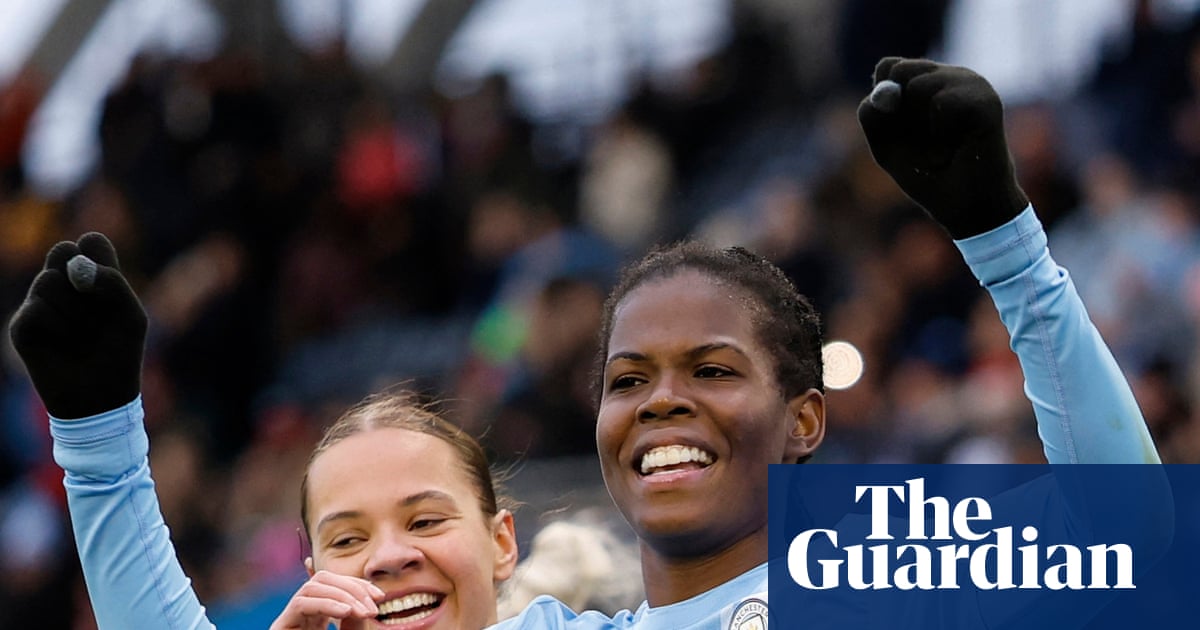
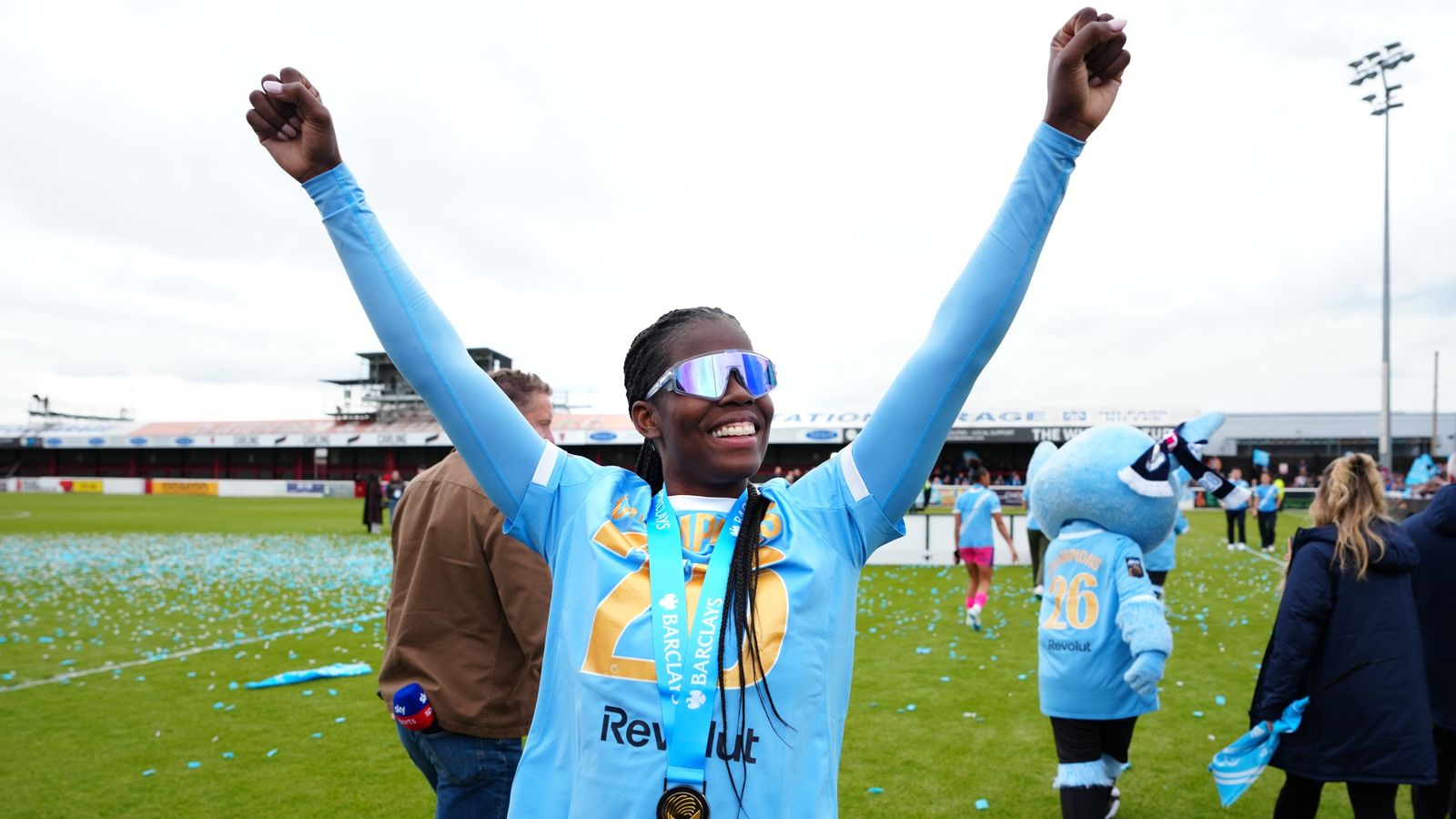
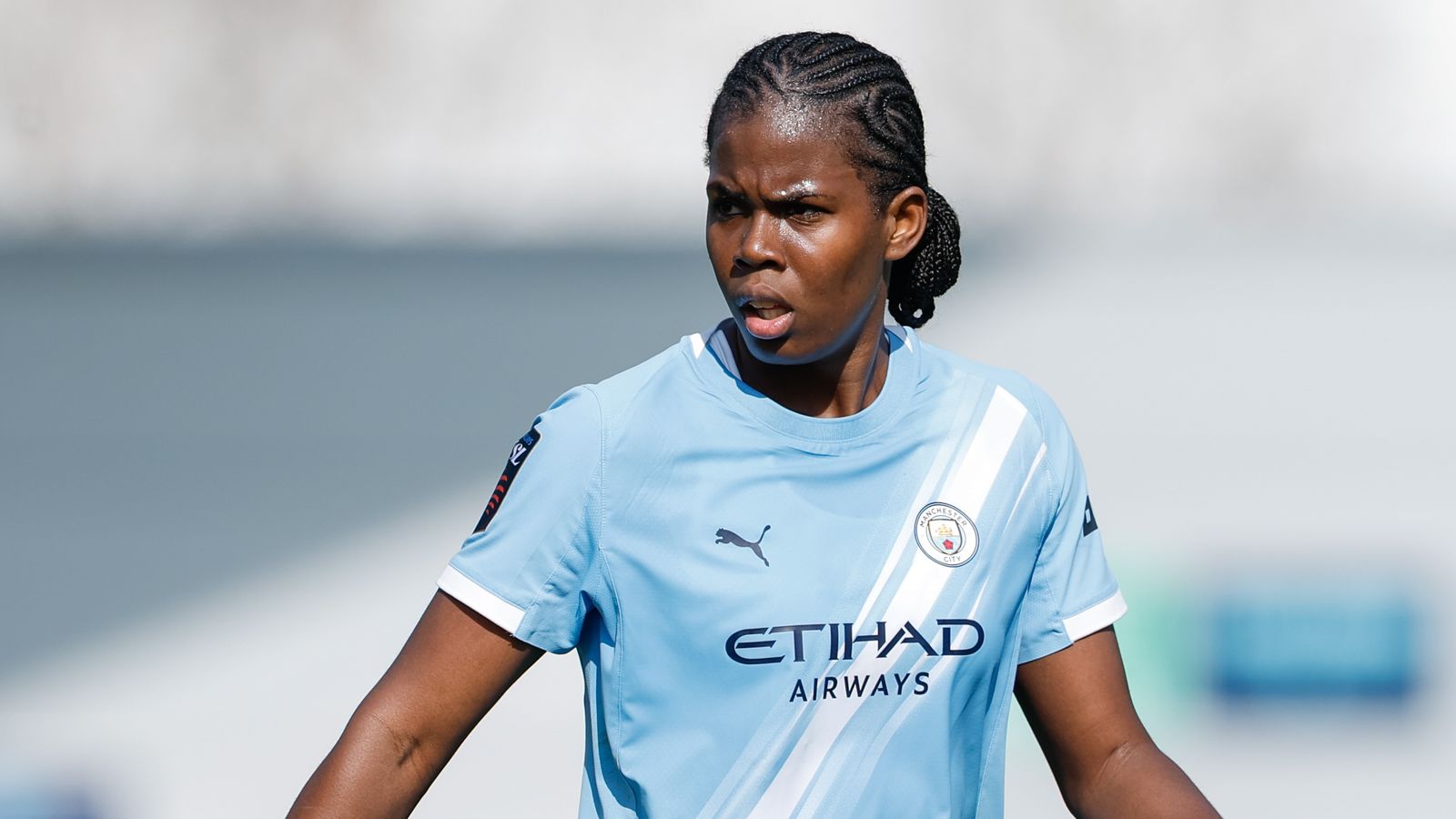
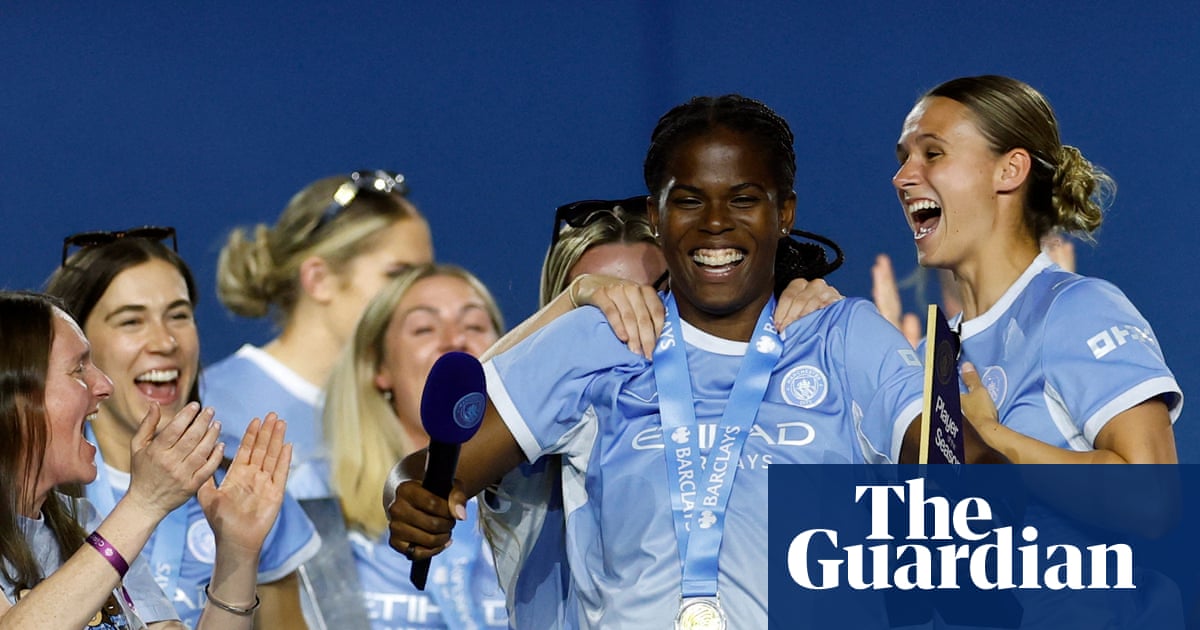
The Women’s Super League transfer market just caught fire. Khadija Shaw, widely anticipated to finalize a move to Chelsea, has signed a four-year extension with Manchester City. This maneuver effectively secures the services of the league's most lethal finisher for the peak of her career.
As The Guardian reported yesterday, the contract terms establish her as the highest-paid player in women’s football. This is a statement of intent from the Etihad Stadium that forces every other top-flight recruiter to recalibrate their wage structures.
Tactical implications for Gareth Taylor
From a tactical standpoint, keeping Shaw is the difference between a title challenger and a pretender. Her movement inside the box creates vertical stretch for City's interior midfielders. She provides a consistent release valve when the high press fails to result in an immediate turnover.
City’s reliance on her efficiency is not without risk, however. While her conversion rate remains elite, the team often lacks a secondary plan when she is isolated against low-block defenses. If you watch the footage from mid-April, there were three distinct matches where the attacking structure withered once markers successfully denied her service in the half-spaces.
The psychological impact on the league
Missing out on Shaw is a significant blow to Chelsea that ripples through their summer recruitment. They were positioned to build their post-Hayes identity around her arrival. Now, they must return to a market that is visibly shrinking as elite talent secures long-term security elsewhere.
The optics of this deal suggest that Manchester City has successfully convinced their marquee stars that the project remains competitive for silverware. Retention in the women’s game is quickly becoming as expensive as acquisition. We are looking at a deal valued at a record-breaking salary package that will be studied by auditors and sporting directors for the next three seasons.
Final assessments and predictions
This U-turn leaves the tactical board wide open for the upcoming season. Chelsea will undoubtedly pivot to a high-volume target man to compensate for the lost physicality Shaw provides. If they fail to secure a comparable profile before the World Cup kicks off on June 11, their goal-scoring output per 90 minutes will likely see a dip in the autumn.
Manchester City has effectively bought themselves a three-year window of stability. I expect them to push their xG output even higher, provided they maintain the current midfield rotation frequency. It is a bold, expensive gamble that likely secures them at least one major trophy by 2028.
My prediction? City will comfortably outperform Chelsea in the first half of the new campaign. By the time the calendar turns to January, we will see the true cost of this contract compared to the market average.
Read Next
- Khadija Shaw is staying put and the WSL is officially on notice
- The post-Pep void: Where Manchester City goes from here
- Liverpool's defensive transition hinges on holding onto Robertson
- Michael Carrick has a massive Bruno Fernandes dilemma this summer
- ⭐ UCL 2026 — Champions League Quarter-Finals Hub