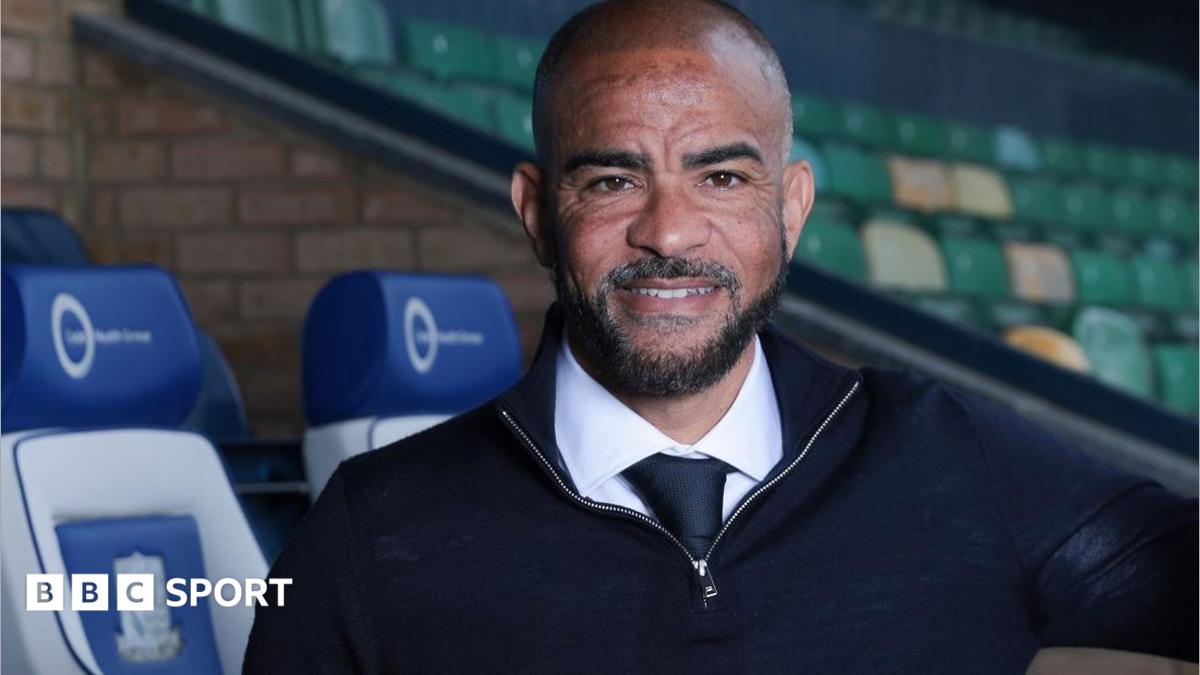
The Roots Hall risk
Southend United just tapped Kieron Dyer to lead the charge for the next two years. It is a massive move for a club that has spent far too long treading water in the lower tiers. Dyer brings a pedigree from his Ipswich and Newcastle playing days, but the dugout is a different beast entirely. Steering a team through the grit of the National League is not the same as threading a pass through a Premier League backline.
The tactical gamble
Dyer is stepping into a role where results matter immediately. The board has placed a initial two-year contract on the table, which suggests they want stability. However, stability rarely comes from unproven managerial appointments in leagues this unforgiving.
Technical analysts often look for a philosophy shift when a new manager arrives. We need to see if Dyer adapts his style to the physical realities of the division. If he tries to force a high-possession game without the necessary personnel, Roots Hall is going to turn on him quickly. The lack of defensive discipline at this level often exposes managers who prioritize flair over fundamentals.
Where the project fails
The biggest red flag here is the transition from coaching youth to managing a first team. The pressure at Southend is magnified by the club's recent history of financial instability and supporter frustration. Expecting a splash arrival to fix systemic issues is a classic trap. Unless Dyer demonstrates an elite ability to organize a low block and maximize set pieces, this appointment will likely end in a dismissal before the contract expires.
My prediction holds that Southend will struggle to find consistency this season. Their win rate will likely hover just under 40 percent as Dyer grapples with the transition. He has the football IQ, but the managerial mechanics remain a black box. Football is rarely won on paper resumes, and the National League will test his patience before the first month is even out.