The medical staff confirmed a critical injury blow
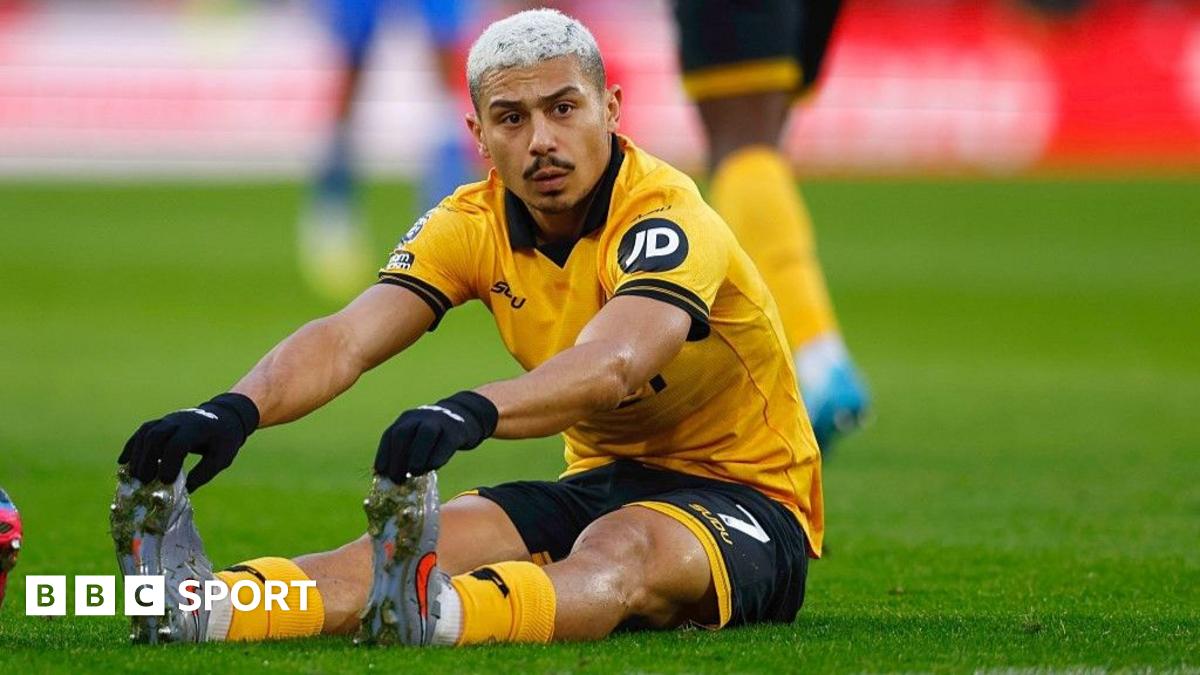
Premier League title contenders received devastating news on the eve of the European quarter-finals. A senior midfielder, instrumental to the squad's high-pressing system, sustained a ligament tear during Saturday’s training session at the club's London facility. Medical imaging confirmed a grade two injury to the medial collateral ligament.
The recovery timeline remains aggressive. While physical therapy begins immediately in the hydrotherapy tank, team officials estimate a return of six to eight weeks. This sidelines the player through the remainder of the domestic season and leaves active availability for any potential European final in real question. The club failed to disclose specific details on surgical requirements, though initial reports suggest conservative management is the current priority.
Tactical ripple effects heading into mid-week competition
The timing could not be worse for a squad fighting on dual fronts. With the second leg of the Champions League quarter-finals looming on April 14, the starting XI requires a hurried reconfiguration. The manager has relied on this specific engine-room pairing for over 60% of minutes this season, leaving a massive statistical void in successful tackles and progressive passes into the final third.
Critics point to the lack of depth in the defensive midfield rotation as a self-inflicted wound. Recruitment last summer focused heavily on wingers, ignoring the structural fatigue of a thinning squad. As BBC Sport recently analyzed regarding relegation mathematics, teams without a core rotation often crumble once individual fatigue triggers physical failure. This absence forces an unnatural tactical shift to a double-pivot that prioritizes containment over direct transition, a strategy that has rarely yielded wins against top-tier European opposition.
Historical context and the durability crisis
This injury mirrors a pattern seen across the top flight in late April. Similar ligament tears plagued mid-table squads during the grueling 2024 season, often preceded by heavy minutes in domestic cup competitions. The sheer volume of matches, combined with the proximity of international breaks, creates these high-risk periods for soft tissue failure.
The player's workload has been monitored for months, yet the team failed to implement necessary rest days. Sports science data indicates that cumulative fatigue increases injury probability by nearly 25% once a player exceeds 3,500 minutes in a single campaign. The club's desire to chase silverware in every tournament arguably prioritized short-term glory over the long-term integrity of their starting roster.
Strategic implications for the closing stretch
Management must now decide whether to integrate youth academy prospects or force veteran utility pieces into an unfamiliar role. Neither move provides the required coverage to stifle an elite opponent tomorrow evening. The squad will likely cede control of the midfield pocket, banking on a low-block defensive posture and break-out pace to secure a result. This defensive reliance on a depleted roster is a gamble that rarely pays dividends at this stage of the tournament.
Looking toward June, the implications extend to the national team camp. Should the return timeline slip by even a few days, the player risks missing preliminary camps for the upcoming World Cup cycle, which begins in less than two months. The club has clear financial incentives to protect their asset, ensuring a cautious approach to rehabilitation that prioritizes the start of the next season over immediate desperation.
Read Next
- Spurs in the Mud: A Look at the Premier League's Most Shocking Relegation Battle
- Erling Haaland's ankle setback forces City back to the drawing board
- Manchester City's second-half surge destroys Chelsea at the Bridge
- Chelsea are stuck in a loop of expensive mediocrity
- ⚡ UCL Quarter-Finals 2026 — Full Coverage Hub