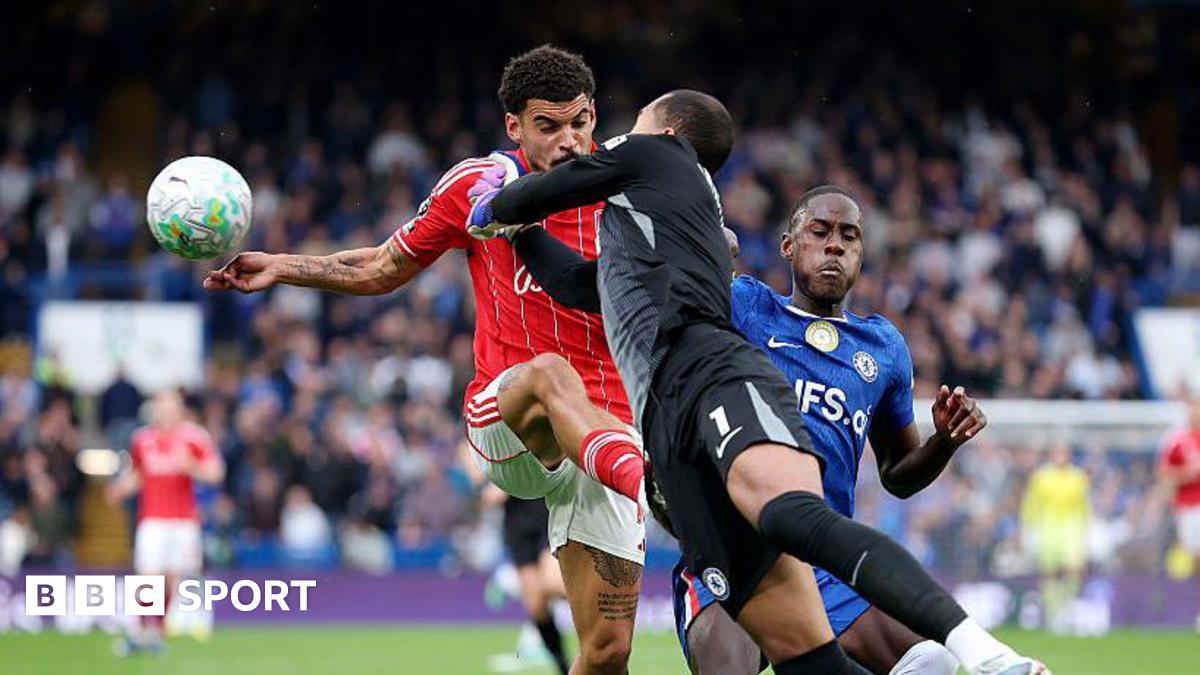
The prognosis: A major blow for Forest's run-in
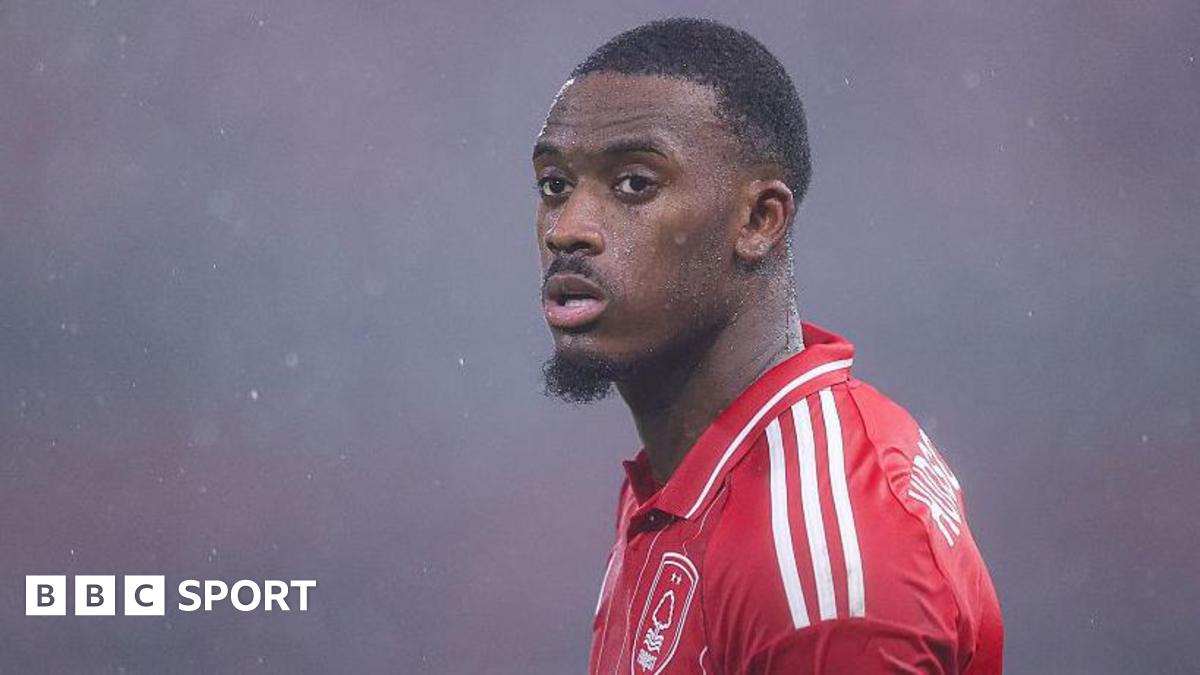
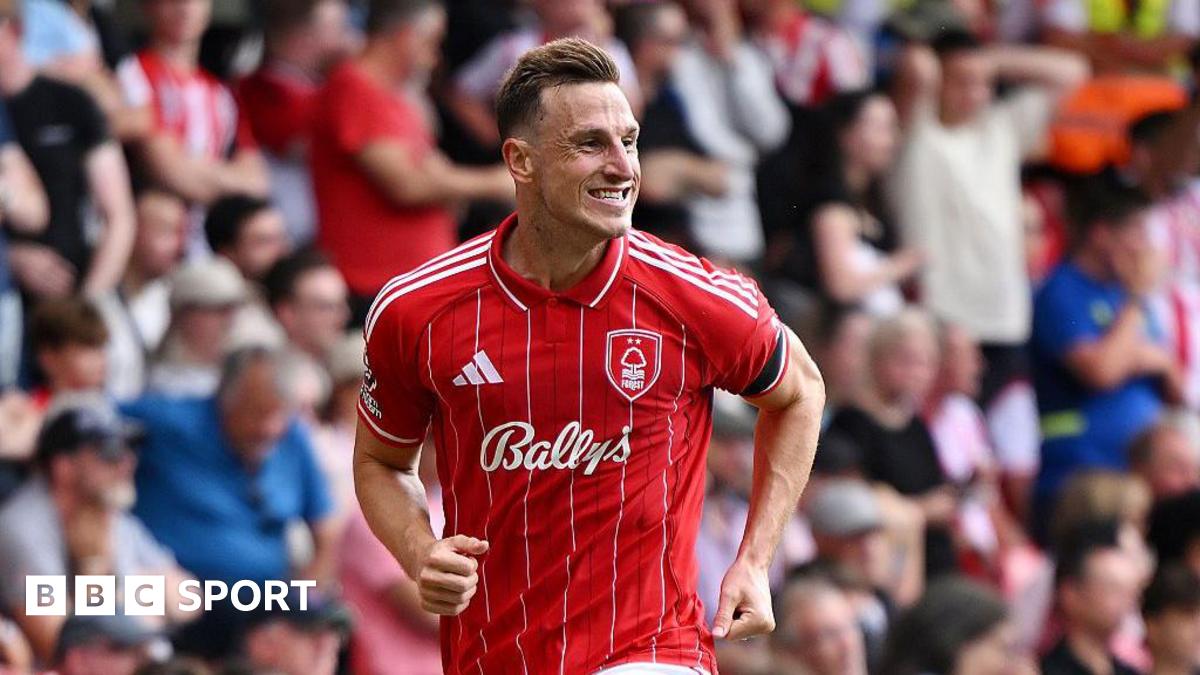
Nottingham Forest confirmed a devastating setback this week after their key playmaker suffered a severe thigh injury during the second half of Thursday's Europa League triumph over Porto. The player, who has been instrumental in the club's push for European progression and their domestic fight to avoid the drop, was seen departing the pitch on crutches. Medical staff have ruled him out for the remainder of the 2026 campaign.
Impact on the final month of the season
The timing could not be worse for the club. With the Europa League semi-final on the horizon and a congested Premier League table, losing a primary creative outlet forces immediate tactical shifts. Managerial staff now have less than three weeks to find a replacement before the knockout stages resume at the start of May. This absence removes a crucial cog in the side's attacking transition, leaving the squad thin in central areas.
History suggests teams rarely recover their form when a leading contributor falls during the final month, though recent reports from the Daily Mail indicate the club remains focused on their upcoming fixtures. The lack of depth in the midfield rotation will be tested as they attempt to balance the heavy competition load against their domestic survival mission.
Strategic implications for the squad
The injury forces the head coach to reassess the formation ahead of the final crunch period. Without their primary link-up man, Forest risks becoming one-dimensional. Relying on backup options against higher-tier opposition often leads to defensive lapses, particularly in the closing stages of matches. A failure to adjust properly during these next few weeks could see them exit Europe prematurely while potentially slipping further down the domestic table.
This injury represents a significant gap in production that few depth players can realistically fill. The coaching staff must decide whether to shift the team's identity or simply hope for a short-term surge from the bench. It remains a questionable decision to have pushed the player through such a physically demanding week, given the proximity of such important matches in both tournaments on the calendar.
Historical context and the broader trend
Muscle-related issues like this have plagued clubs in the latter half of the season for decades, usually surfacing due to fatigue from fixture overload. We saw similar trends across the continent this past winter, where compressed schedules directly correlated with increased soft-tissue injuries. The club must now look to the summer window to prevent a recurring scenario where the squad's ceiling is dictated by the health of a single, overworked individual.
While the focus is currently on immediate recovery, questions are already being raised about the long-term fitness management protocols at the training ground. If the objective is to compete on multiple fronts, the club will need a more robust rotation policy next year. As of today, the official stance from the club remains focused on supporting the player through his recovery process rather than discussing the financial or transfer implications of the loss.