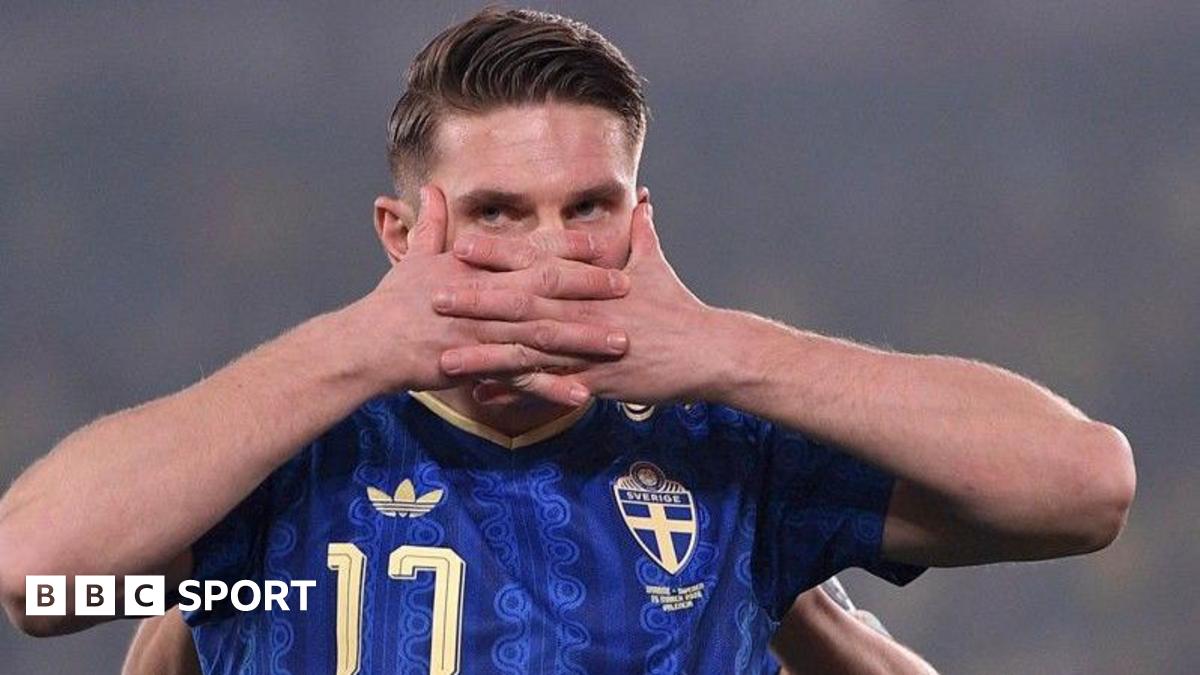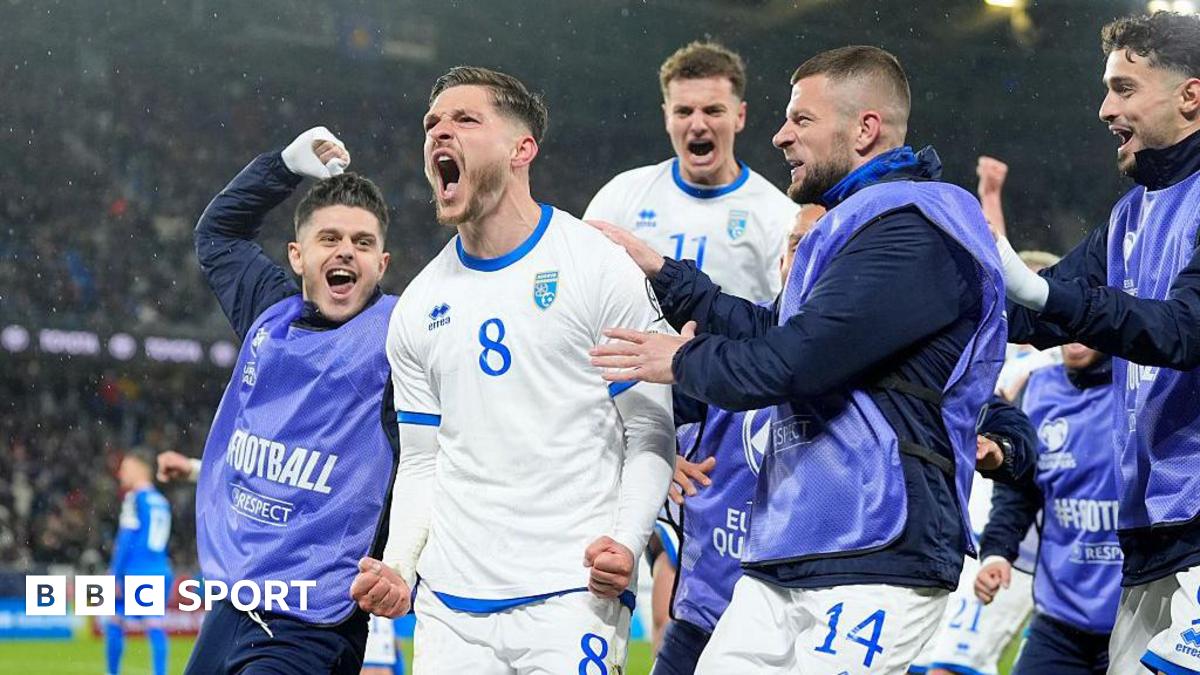
The injury crisis arriving at the worst moment
Kosovo enters the most significant week in its football history with a major roster void. Sources confirmed early Monday that first-choice central midfielder Valon Berisha suffered a grade two medial collateral ligament tear in his right knee during league action this past weekend. He is scheduled to be sidelined for 6-8 weeks.
This recovery window effectively eliminates him from contention for the decisive qualifier. The medical staff confirmed the diagnosis following an MRI scan conducted in Pristina on Sunday morning. There is zero possibility of a shortened timeline for a player with Berisha's history of knee issues.
Tactical ripple effects for the selection
Losing Berisha forces a complete overhaul of the midfield pivot. Coach Franco Foda typically relies on his engine room to break the first line of pressure, but Berisha contributed a specific defensive discipline that allowed the fullbacks to push high. Without him, the team loses its primary tempo-setter.
The current roster depth chart looks bleak for a like-for-like replacement. Sources within the federation suggest that Foda will likely shift towards a double-pivot system to protect the back four, sacrificing offensive width. It is a conservative adjustment for a team that thrives on transition speed, potentially blunting their attacking edge.
Historical context and the stakes involved
Historical data on MCL grade two tears indicates a high risk of re-injury if the player accelerates return-to-play protocols. Previous cases, such as the rehabilitation cycle for similar injuries in the Swiss Super League, show that premature return often results in chronic instability. Kosovo cannot afford a compromised player on the pitch for a match of this magnitude.
The euphoria swirling around the capital is undeniable. As the BBC reported, the nation is one victory away from potentially appearing in the 2026 World Cup. The weight of this match represents a massive step for the relatively young footballing federation, which only gained independence in 2008.
The missed opportunity for the squad
The coaching staff faces scrutiny over the reliance on a narrow core of players. By funneling so much responsibility through Berisha, the team became predictable in its build-up play. Opponents have frequently targeted his side of the field in recent fixtures, and this forced absence exposes the lack of a creative backup.
Failure to secure a result in this qualifier would be a devastating blow to the nation's morale. The squad depth is currently undergoing a stress test that it was never designed for. If the reserves do not perform, the dream of reaching the World Cup kickoff on June 11, 2026, could evaporate in ninety minutes.
The road ahead
The players now have to manage the physical toll of fatigue and the psychological pressure of a nation watching. Medical reports suggest that while the rest of the starting eleven is healthy, mental exhaustion remains a factor. The lack of rotation options in the midfield has been a persistent criticism of Foda's management style throughout the qualifiers.
Match preparations continue in Pristina with an emphasis on defensive shape. The squad will depart for the high-stakes encounter within 48 hours. Whether they can overcome the absence of their midfield anchor remains the primary narrative for fans following the team's trajectory.
Read Next
- Kosovo is one win from a World Cup dream that feels impossible
- England’s 2026 World Cup squad is a ticking time bomb of talent
- Arsenal Title Hopes Rocked By International Break Injury Crisis
- Germany is back and honestly it is terrifying
- 🏆 World Cup 2026 — Full Coverage Hub
- 🇽🇰 Kosovo at the 2026 World Cup — Full Coverage Hub