Sweden confirms Kulusevski status
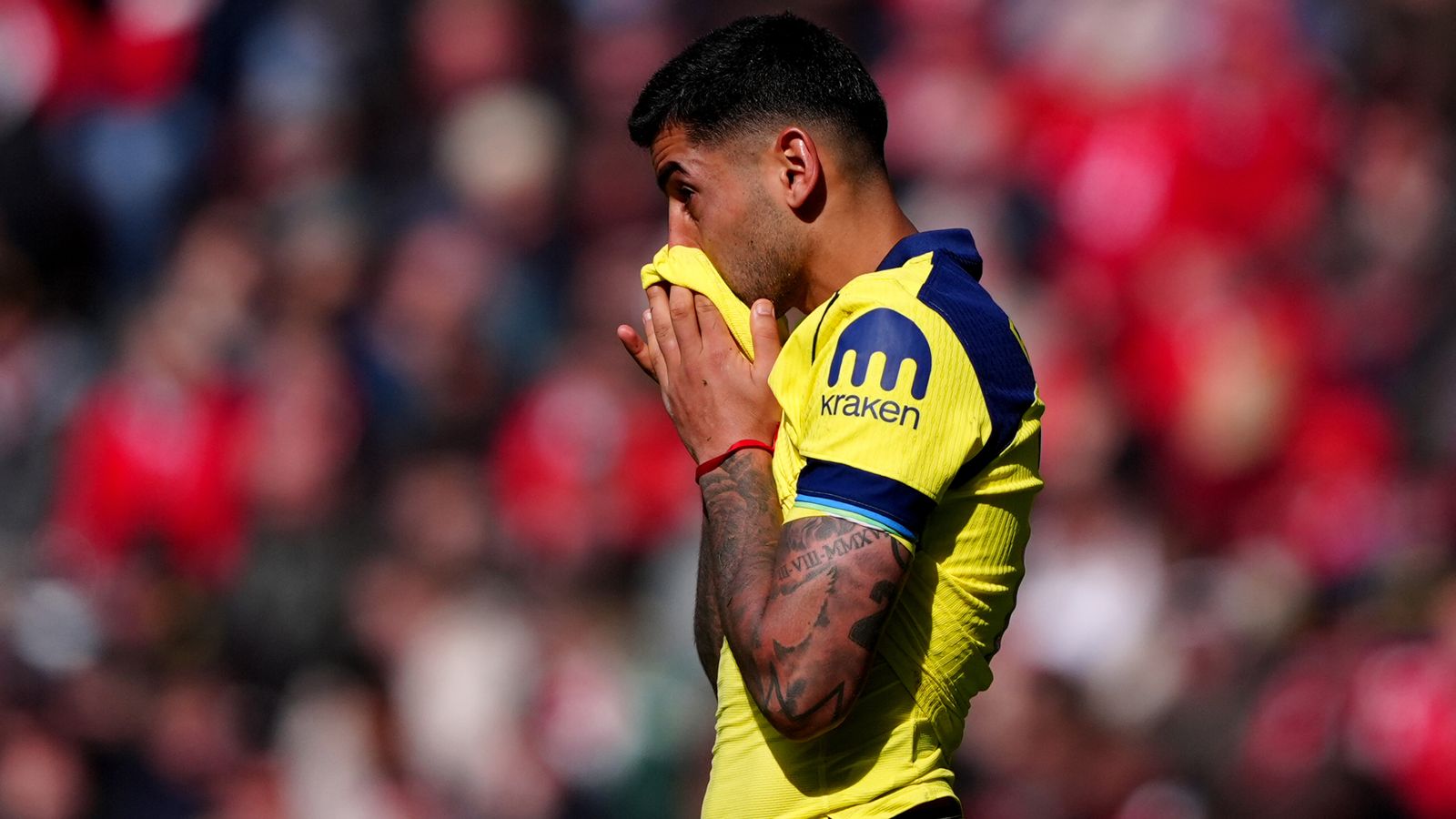
Dejan Kulusevski is officially out of Sweden’s squad for the 2026 FIFA World Cup. The Sweden national team’s medical staff confirmed this morning that the Tottenham winger’s recent injury has failed to progress as anticipated. He will not be fit to participate when the tournament kicks off in 14 days.
The decision follows a detailed review of the diagnostic scans taken following Tottenham’s final match of the Premier League season. Despite intensive rehab at Hotspur Way, the physiological markers for his return to high-intensity training remained below the threshold required for elite recovery. The Swedish FA has effectively closed the door on a late call-up to prevent further long-term damage.
The medical reality of the failure
Kulusevski has been battling this specific soft tissue concern for the better part of three weeks. While he attempted to manage the load during the final stretch of the league calendar, the recovery schedule proved too optimistic for a tournament-level athlete. Medical professionals often see this pattern when players compete on underlying soreness; the cumulative impact creates a mechanical imbalance that becomes unsustainable once explosive movement is required.
This is a significant blow to Sweden’s attacking formation. Kulusevski’s tactical flexibility allows for shifts between the wing and a deeper hybrid role, which the national team leaned on throughout the qualification cycle. Without him, the team must shift their creative engine entirely, a massive tactical pivot with less than two weeks until their opening match. As reported by Sky Sports, the assessment from the national team doctor was final and left no room for appeal or experimental conditioning protocols.
Tactical and career impact
Tottenham now faces the complicated task of managing his transition into the 2026-2027 season. Missing the World Cup is a career-altering frustration for any player, but it provides him a full window for deliberate, non-rushed recovery. However, the club must reconcile why the injury management at the tail-end of the season resulted in a total collapse of his fitness status once the league schedule concluded.
This situation mirrors historical issues Tottenham has faced with managing high-usage wingers into international tournaments. The club's medical team has faced scrutiny for years regarding their return-to-play timelines, and this failure only complicates the optics of their injury prevention protocols. Relying on players to "play through" minor issues has rarely paid off, often leading to exactly this kind of forced withdrawal at the worst possible time.
Broader industry concerns
The 2026 scheduling remains cruel. With the UEFA Champions League final taking place today, on May 28, players are being forced onto international duty with less than two weeks of standard rest. The physical toll of the modern season, compounded by the rapid transition to international football, is leaving squads decimated before a single ball is kicked in North America.
We are watching a trend where the volume of fixtures is dictating team selection more than form or actual availability. Kulusevski is simply the latest casualty of a calendar that refuses to provide buffer periods. It highlights a recurring disconnect between those setting the match volume and the staff responsible for keeping humans functioning. His omission is a loss for the spectacle of the tournament, but it forces a necessary interrogation of why these workloads are considered acceptable in the first place.
The Swedish medical staff maintained a consistently cautious line throughout this process, refusing to bow to the external pressure of the World Cup window. They opted for clinical reality over hope. For the player, it is an agonizing gap in his resume, but from a medical standpoint, it is the only responsible decision. Any attempt to force him back onto the pitch would have risked a chronic condition that could have kept him sidelined well into the start of the next domestic campaign.
For Spurs, the mission is now stability. They will likely utilize the summer months to strip back his routine, addressing the mechanical faults that led to the setback. There is no positive spin here: a core player is out of the biggest event in professional football. It is a failure of load management that should prompt a internal review before the team regroups for pre-season training in July. The stakes of elite football continue to rise, and players are currently paying the physical price.
Read Next
- Neymar sidelined: Brazil star faces race to be fit for World Cup opener
- Mauricio Pochettino is flirting with Milan while the US ship is barely afloat
- Pochettino is distracted and the USMNT are running out of time
- Tonight is the last stand for the clubs before the World Cup madness begins
- 🏆 World Cup 2026 — Full Coverage Hub
- 🏆 Europa League Final 2026 — Full Coverage Hub