The Ibrox Medical and the Shadow of the Hamstring
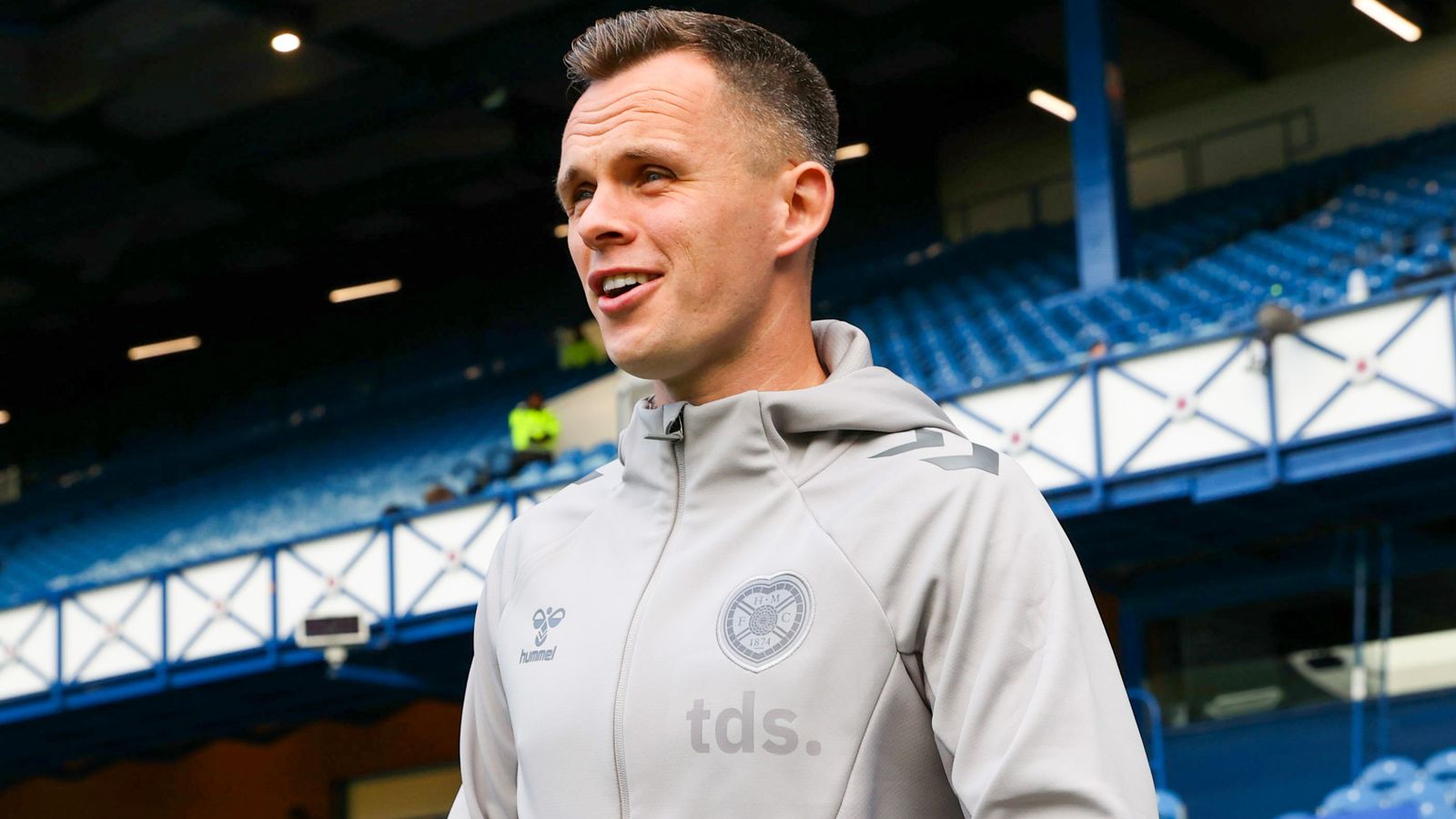
The medical table at Ibrox is currently hosting the most critical physical examination of the Scottish summer transfer window. Lawrence Shankland is undergoing rigorous medical tests to complete his highly anticipated move from Hearts. As BBC Sport reported, the Scotland forward is close to finalizing a deal to join Rangers.
For the Rangers coaching staff, the transfer represents a massive offensive upgrade, but the medical department is focusing entirely on a lingering physical red flag. Shankland spent the final months of the domestic campaign recovering from a significant hamstring injury suffered in January against Falkirk. While he returned to action in April, the long-term viability of his sprint mechanics remains a major talking point.
The timing of this physical screening is incredibly tight for all parties involved. With the FIFA World Cup kickoff in North America just 18 days away on June 11, Shankland cannot afford a prolonged rehabilitation program if he wants to secure his place in the Scotland national squad. Rangers want the deal concluded within 48 hours to integrate the striker into their pre-season tactical drills.
The Biomechanics of an Aging Striker
To understand the anxiety behind this medical check, one must look at the mechanical demands of Philippe Clement's high-pressing system. Rangers require their central forwards to press the opposing center-backs relentlessly, forcing turnovers in the final third. This style of play places an immense load on a striker's hamstring muscles, which must absorb constant deceleration forces.
At 30 years old, Shankland's muscle tissue does not recover with the speed of a younger athlete. Hamstring strains are notoriously difficult to manage in veteran players because of the inelastic nature of the scar tissue that forms after a major tear. A secondary rupture during a high-intensity training session would rule the forward out for months, transforming a marquee signing into an expensive clinical liability.
The Leadership Deficit and the Dessers Problem
The recruitment team at Ibrox is willing to take this physical gamble because of a glaring deficit in their current frontline. Cyriel Dessers has struggled for consistency all season, failing to convert high-value scoring chances in critical matches. Rangers finished their domestic campaign looking completely toothless in the box, relying on midfielders to rescue points.
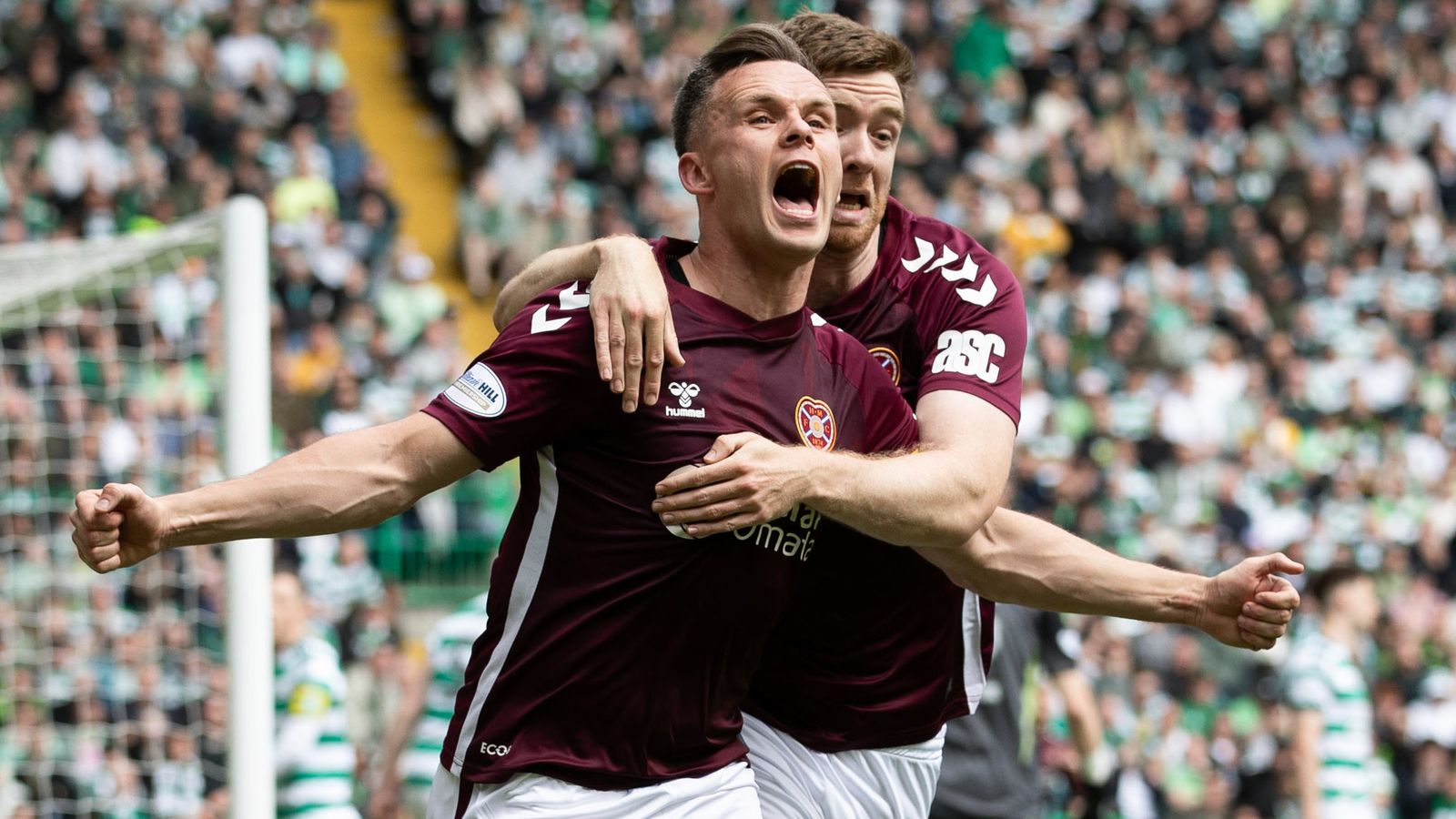
Shankland represents a guaranteed source of Scottish Premiership goals, having scored 20 goals for Hearts during a sensational individual campaign. He possesses the clinical finishing instincts that Dessers lacks, capable of converting half-chances into vital breakthroughs. But relying on a veteran striker with a recent history of muscular tears to carry the entire goalscoring burden is a highly questionable strategy.
The Tynecastle Rebuild and Historical Precedents
The strategic implications of this transfer will be felt far beyond the gates of Ibrox. Hearts are losing their captain, their chief goalscorer, and their undisputed dressing room leader in a single stroke. This departure leaves manager Steven Naismith with a massive rebuilding project just weeks before their European campaign begins.
Hearts will receive a significant transfer fee, but finding a forward who can replicate Shankland's physical presence and clinical output in the Scottish Premiership is nearly impossible. The Edinburgh club must pivot to a more collective attacking system to survive his departure. Competitors like Celtic are watching the medical updates closely, knowing that a failed signing would hand them a massive advantage in the title race.
This is not the first time Rangers have raided a rival Scottish club for a proven goalscorer. The historical precedent of high-profile domestic transfers shows a mixed record of success at Ibrox. Fans still recall Kris Boyd's move from Kilmarnock, which delivered hundreds of goals because his physical profile was perfectly suited to a dominant, low-block-slicing team.
Conversely, other forwards have arrived with great fanfare only to see their careers derailed by the extreme physical pressure and relentless media scrutiny in Glasgow. The step up in intensity from Tynecastle to Ibrox is massive, demanding a level of physical conditioning that Shankland has not had to sustain over a multi-front campaign. If his joints cannot handle the weight of the jersey, the critics will be absolutely ruthless.
Load Management and the Ultimate Summer Gamble
The broader football industry is currently witnessing a massive surge in muscular injuries as the competitive calendar continues to expand. Sports science departments are warning that players are being run into the ground by the lack of a proper summer rest window. Shankland's transition from a grueling domestic season straight into World Cup preparation is a recipe for physical disaster.
Rangers must implement a highly sophisticated load-management program to protect their investment from day one. This means Clement must resist the temptation to play Shankland for ninety minutes in every single midweek and weekend fixture. Rotating the striker will be essential to preserve the structural integrity of his hamstring, even if the fans demand his constant presence on the pitch.
The final verdict on this transfer will not be written in the boardroom or on the training ground. It will be decided on the grass of Hampden and Ibrox in the opening months of next season. If Shankland's medical reveals any deep-seated degenerative issues, Rangers would be wise to walk away from the table.
But the pressure to deliver immediate silverware makes a cautious approach almost impossible for the Ibrox hierarchy. They are desperate for a leader to close the gap at the top of Scottish football. Lawrence Shankland's hamstring is currently carrying the entire weight of that ambition, making today's medical the most tense moment of the summer.
Read Next
- May Twenty-Fourth and the Rhyme of Football History
- Carrick’s permanent blueprint faces its final exam in Brighton
- Cristian Romero trying to skive off to Argentina is peak Spurs comedy
- PSG and Arsenal battle for Europe while Madrid brace for Mourinho's arrival
- 🏴 Scotland World Cup 2026 — Tartan Army Hub
- ⚽ Scottish Premiership 2025-26 — Celtic vs Rangers Hub