Leeds United are dancing on the edge of a new era
A chaotic path to Wembley
Watching Leeds United navigate their FA Cup quarter-final against West Ham felt less like a tactical masterclass and more like a fever dream. The match, which required a penalty shootout to resolve, exposed both the undeniable grit and the lingering defensive fragility within Daniel Farke’s squad. When Axel Disasi equalized in the dying embers of the game, it appeared the momentum had swung decisively toward the hosts.
The match was defined by two late goals in injury time, a sequence that turned a routine victory into a high-stakes lottery. As reported by the Daily Mail, the decision to bring on goalkeeper Fin Herrick specifically for the shootout was pure theatre. It worked, but it also underscored a team living on the absolute precipice of failure.
The Calvert-Lewin factor
Dominic Calvert-Lewin provided the necessary composure that his teammates occasionally lacked. His penalty, awarded after a meticulous VAR review, was the difference-maker during regulation time. Yet, relying on spot-kicks to seal a return to Wembley after a 39-year absence is a high-wire act that even the most optimistic Leeds supporter must find unnerving.
Farke has managed to instill a sense of belief—a, dare I say, "greedy" desire to push forward—but the tactical structure remains porous. Conceding two goals deep into injury time is not mere bad luck. It indicates a failure in game management and an inability to kill off a game when the opposition is visibly desperate. When you are leading, you do not invite pressure; you condense space and suffocate the opponent’s ability to transition.
The Chelsea collision
Now, the reality of the semi-final draw hits home. Leeds faces arch-rivals Chelsea at Wembley, while the other bracket features Manchester City and Southampton to confirm the final four. Avoiding City was a reprieve, but ignoring the threat posed by a Chelsea side that thrives on transition speed would be a fatal error for Farke’s men.
Chelsea’s attacking mid-block is designed specifically to punish teams who lose structure in the final third. If Leeds commits to the same end-to-end combat they employed at West Ham, they will leave themselves wide open. A performance like this against a higher-calibrated opponent will result in a heavy defeat rather than a cinematic penalty victory.
The structural audit
The numbers don't lie: relying on chaos is not a sustainable model for winning trophies. While the victory over West Ham, highlighted by Sky Sports as a nail-biter, provided a platform for history, the defensive metrics of the last fifteen minutes showed a team lacking in discipline. The backline was stretched, spacing was neglected, and the pressing triggers were entirely disjointed.
Leeds is currently too comfortable playing in the transition phase. Against West Ham, they lost the battle for control entirely once the clock ticked past 90 minutes. If they are to win at Wembley, they require a clinical edge that doesn't necessitate 120 minutes of heart-attack football. Being "greedy" to succeed is admirable, but being tactical is how you actually bring the trophy home. Farke has the passion, but he must tighten the screws before stepping out under the arch.
Read Next
- Leeds United are addicted to giving their fans heart attacks
- West Ham and Leeds are walking a razor-thin line in the FA Cup
- Leeds United end a 39-year wait to reach the FA Cup semi-finals
- Leeds United's long road back to Wembley is validation for Daniel Farke
- 🏟 EFL Championship 2025-26 — Promotion Race & Play-Off Final Hub
- 🏆 FA Cup Final 2026 — May 16, Wembley
Fisher-Price Little People Collector U.S. Soccer Special Edition Set For Sports Fans, 2 Figures
The cutest way to show your U.S. Soccer pride before the big kickoff.
Frequently Asked Questions
How did Leeds United reach the FA Cup semi-final?
What tactical concerns does Daniel Farke face before the Wembley match?
Who is Leeds United's opponent in the FA Cup semi-final?
What role did Dominic Calvert-Lewin play in the West Ham match?
Why is relying on a transition-heavy style risky for Leeds?
More Coverage

Manchester United are chasing ghosts with the Leao pursuit
2 hours ago
Why England must fear Panama's disciplined low block
3 hours ago
Arsenal vs PSG: Why tactical rigidity will determine the European champion
4 hours agoLincoln City just entered the weirdest experiment in League One history
6 hours ago
Manchester City's business model is frankly terrifying
6 hours ago
Arsenal’s title win has changed the math for London football
9 hours agoMore Analysis

Leeds United's long road home to Wembley
1 month, 3 weeks ago
Leeds United in the FA Cup semi-final is total chaos
1 month, 3 weeks ago
Leeds United's long road back to Wembley is validation for Daniel Farke
1 month, 3 weeks ago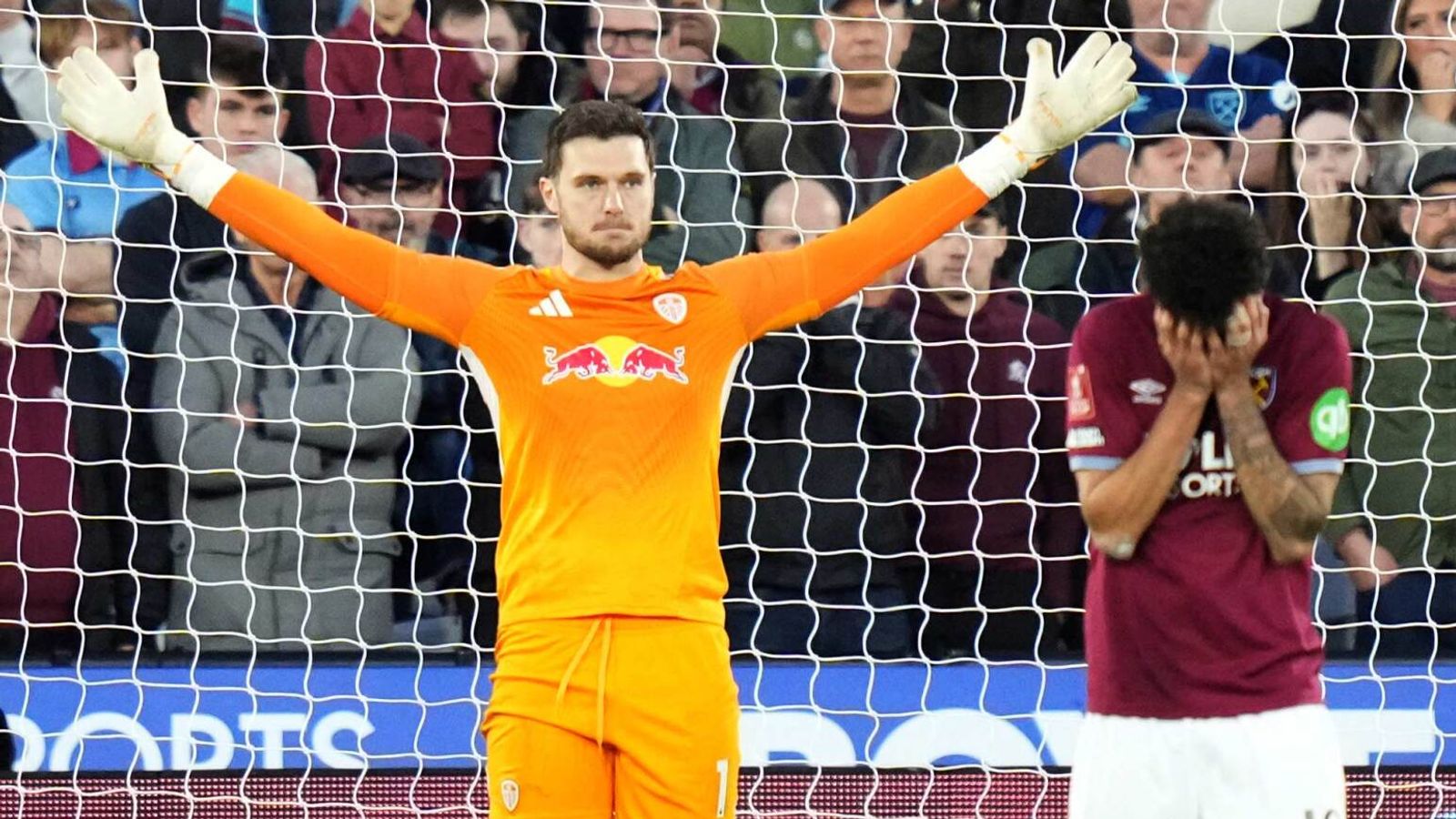
Leeds and Chelsea at Wembley is exactly what the FA Cup needs
1 month, 3 weeks ago
Leeds United are addicted to giving their fans heart attacks
1 month, 3 weeks ago