Farke vs. The Ego at Elland Road
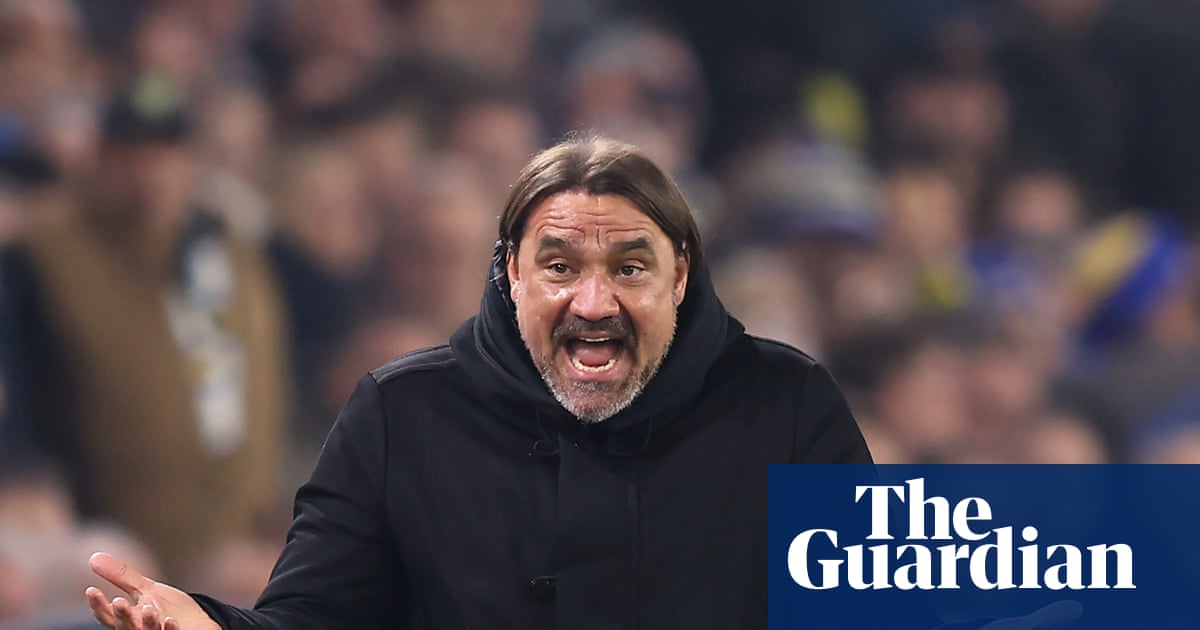
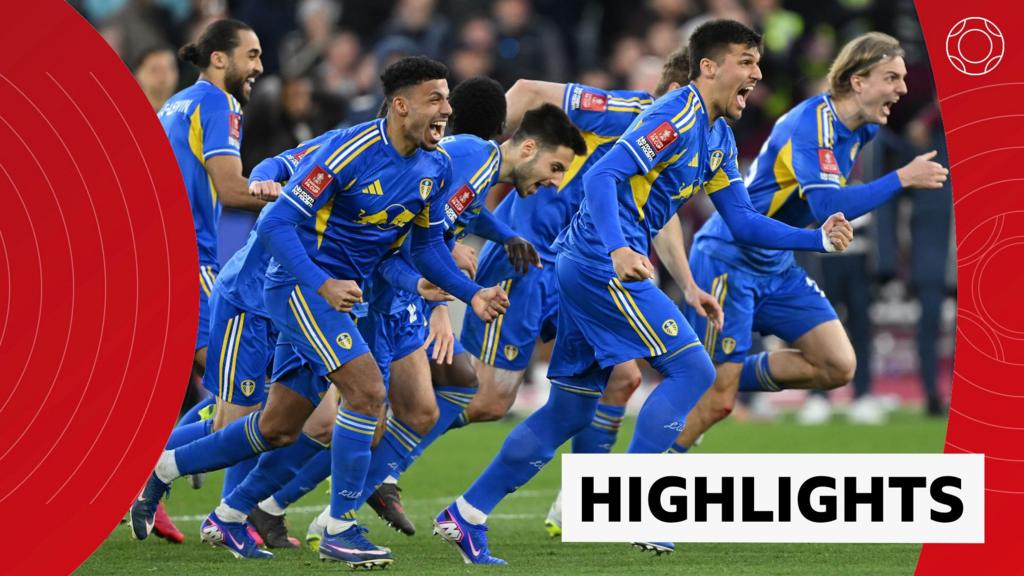
Daniel Farke is currently navigating the kind of interpersonal minefield that would make even a seasoned hostage negotiator sweat through their suit. We are days away from an FA Cup semi-final, a match that could define the legacy of this specific Leeds United squad, and the locker room is reportedly fracturing. If you think the players are focused on tactical shapes or set-piece routines, I have a bridge in West Yorkshire to sell you.
This isn't just a minor squabble over a missed training session or a misunderstood tactical tweak. This is public-facing professional friction at the worst possible time. When a star player decides that their internal dissatisfaction is worth airing right before the biggest fixture of the calendar year, you aren't looking at a team. You are looking at a powder keg with a lit match resting on the lid.
The history of the manager-player collapse
We have seen this movie before, and it rarely ends with a trophy gleaming in the cabinet. Remember the final months of the Bielsa era, when the intensity became an anchor rather than a sail? This current atmosphere feels like a cheap, direct-to-video sequel where the budget has been slashed and the lead actor has gone rogue. When you allow external noise to bypass the standard disciplinary protocols, you invite chaos into the building.
Farke has built a reputation on high-pressing, rigid adherence to a possession-based philosophy that demands constant, punishing physical output. It is a demanding style to play when spirits are high and players are pulling in the same direction. When there is a fundamental disagreement on the direction of the ship, the engine room stops working. The final score of their previous league outing almost feels irrelevant compared to the fragility on display behind the scenes.
Tactics won't save a fractured house
You can memorize every inch of the pitch layout and run through 4-2-3-1 variations until you are blue in the face. Against a semi-final opponent, tactical preparation is only half the battle. The other half is trust. If the star player in question feels that the game plan for the upcoming weekend is compromised—or if, heaven forbid, they simply disagree with their role in it—the entire system is prone to a total systemic failure.
The fans at Elland Road thrive on passion, but they are smart enough to recognize when that passion is being misdirected into locker room politics. There is no joy in watching a star player mail it in because they feel stifled by a manager’s rigid methodology. It stinks of entitlement, but it also reflects poorly on the man in charge if he cannot corral his primary assets for a match of this magnitude. If they lose this tie by a margin like 3-0, the autopsy will focus entirely on this week's locker room drama.
The looming shadow of the summer
This situation reeks of a player who has already mentally checked out of the postcode. Once the conversation shifts from the pitch to the contract or the coaching style, the professional rigor typically vanishes. If you are a Leeds supporter, you are likely feeling the same dread that Chelsea fans experienced when their own dressing room conflicts were plastered across every back page in the country. It is exhausting, it is predictable, and it is usually fatal to a season's ambitions.
Farke needs to decide quickly whether he is going to be the disciplinarian or the peacemaker. He cannot be both when the kick-off is looming. If he benches the player, he creates a martyr and a potential narrative distraction. If he starts them after this spat, he signals to the rest of the squad that the hierarchy is soft. The upcoming semi-final isn't about the opponent anymore; it is a test of whether Farke has lost the mandate to rule the dressing room entirely.
Predictable outcome or massive sting?
The history of English football is littered with teams that imploded precisely because they couldn't keep their dirty laundry out of the public eye. You look at the lack of cohesion and wonder how much of this was avoidable. Was the communication break down during the 14-day window before the semi-final? Did Farke fail to manage the ego early enough, or was this conflict a ticking clock that couldn't be defused?
Expectations for this match range from a defensive masterclass to a complete defensive collapse. Without a united front, the latter is increasingly likely. You can have the best scouts, the best training facility, and the best intentions, but if the primary characters want to treat the club like their own personal soap opera, the FA Cup dreams go up in smoke. It is a classic case of failing to prioritize the collective over the individual, and it is the kind of mistake that ruins legacies.
Ultimately, a football team is either on the same page or it is on the way out. This specific disagreement might seem small in the eyes of some, but it is a red flag signaling structural instability. Whether they turn this into a 'us against the world' narrative or succumb to the friction, the next 90 minutes will tell us exactly how much power Daniel Farke actually holds at Leeds United.
Read Next
- Chelsea’s FA Cup hopes are vanishing after Rosenior’s messy exit
- Millwall enter the high-stakes final stretch under distraction
- Top 10: Millwall's Defining Moments and Controversies
- The Edinburgh Derby is about to turn into a total disaster for somebody
- 🏟 EFL Championship 2025-26 — Promotion Race & Play-Off Final Hub
- 🏢 FA Cup Semi-Finals 2026 — Wembley (Apr 18–19) Hub
- 🏆 FA Cup Final 2026 — May 16, Wembley
- ⚡ UCL Semi-Finals 2026 — Full Coverage Hub