The Training Ground Incident
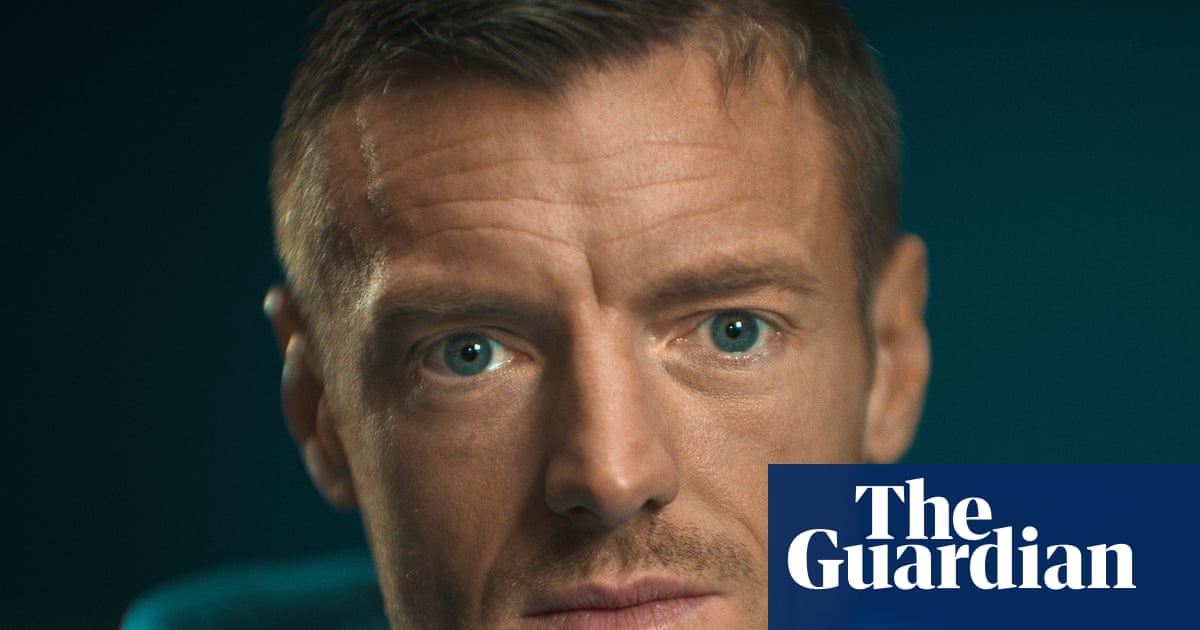
Thursday morning at the Seagrave Training Centre was supposed to be a low-intensity tactical walkthrough. Instead, it became the moment the final link to Leicester City’s golden age potentially snapped. Jamie Vardy, now 39 and operating on what many assumed was purely a mixture of spite and adrenaline, pulled up sharply during a routine transition drill. The diagnosis came late last night: a Grade 2b tear of the soleus muscle in his right leg.
For a player who built a career on explosive twitch fibers and the ability to humiliate high-line defenders, a soleus injury at nearly 40 is a structural crisis. Unlike the more common gastrocnemius strain, the soleus is a deeper, harder-to-reach muscle that acts as the primary driver for sustained running and stability. The medical team has already ruled Vardy out for the remainder of the 2025-26 Premier League campaign, with a recovery timeline of six to eight weeks appearing optimistic at best.
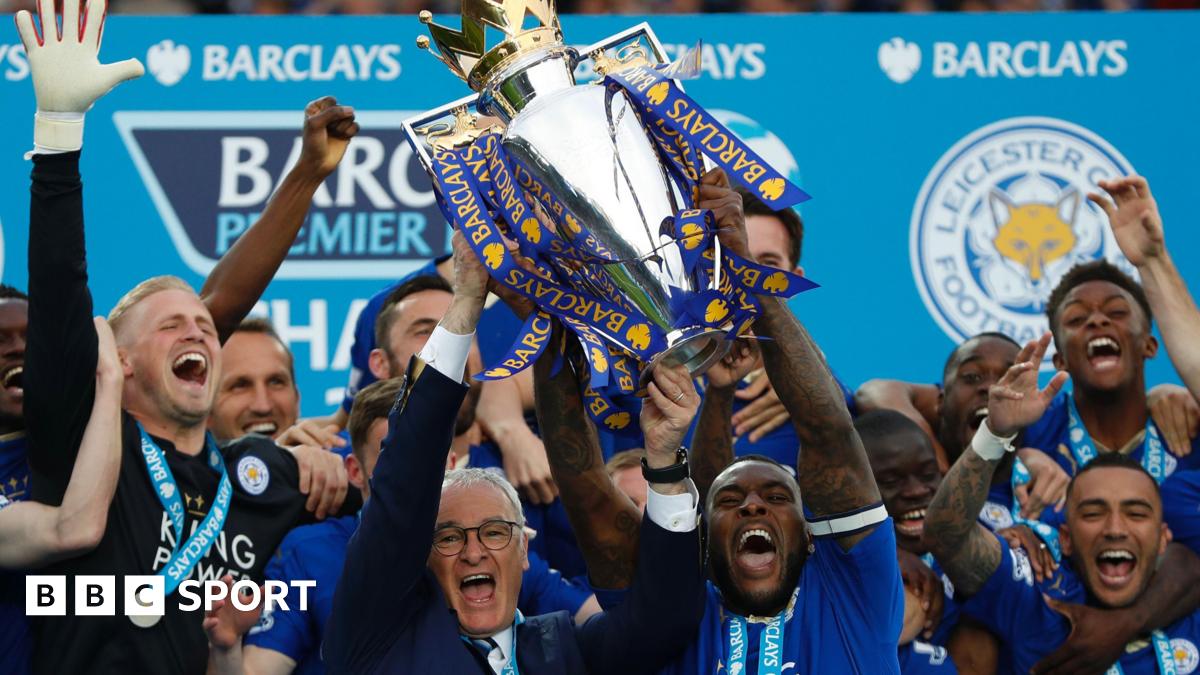
The timing is particularly cruel for a club currently celebrating the 10th anniversary of their 5,000-1 miracle. As the BBC reported this week, original title-winning captain Wes Morgan and Marc Albrighton have been reflecting on that triumph, but the mood in the East Midlands has shifted from nostalgia to genuine concern. Vardy was the last remaining soldier from that 2016 campaign still wearing the shirt.
The Biomechanics of a 39-Year-Old Legend
Sports science has advanced significantly since the 2016 title run, but biology remains a stubborn opponent. Grade 2b tears involve a partial thickness disruption of the muscle-tendon junction. In younger athletes, this is a standard mid-term layoff. For Vardy, whose style depends on high-velocity sprints and sudden deceleration, the risk of recurrence is nearly 40 percent if he returns too early. The scar tissue development in an aging athlete's calf is less pliable, meaning that famous burst of pace might be gone for good.
Leicester’s medical staff is expected to employ a modern 2026 recovery protocol involving blood flow restriction (BFR) training and targeted collagen peptide supplementation. This "Vardy Protocol" is designed to maintain muscle mass without putting load on the actual tear. However, the psychological impact is harder to quantify. Vardy has always played as if he were invincible, a trait that helped him score in 11 consecutive games a decade ago, but this injury forces a confrontation with his own athletic mortality.
Strategic Implications for the Run-In
Leicester currently sit 9th in the Premier League, comfortably mid-table but still fighting for a top-eight finish that would guarantee European football. Vardy’s role in 2026 has been that of a high-impact substitute, a "break glass in case of emergency" weapon who still averages 0.52 goals per 90 minutes. Without him, the offensive burden falls entirely on younger, less clinical strikers who lack his unique ability to occupy two center-backs at once.
There is a harsh reality to be found in Leicester’s recruitment strategy over the last decade. The club has spent over £140 million trying to find a "new Vardy," yet they were still relying on the man himself to bail them out in the 85th minute of tight matches this season. This failure to diversify their attacking profile has left the squad tactically one-dimensional when their talisman is sidelined.
Historical Context: The Iron Men of 2016
The contrast between Vardy’s current predicament and the 2015-16 season is staggering. During that title-winning year, Leicester used only 18 players significantly, the lowest in the league. They were remarkably injury-free, a feat often attributed to the "Italian methods" of Claudio Ranieri and the innovative cryotherapy work of the sports science team at the time. Wes Morgan recently recalled the atmosphere of that era, highlighting the near-mystical fitness levels they maintained.
"We got police escort to Vardy's party on the night we won it. We were invincible then, not just on the pitch, but in our bodies. We never felt like we’d get hurt."
A decade later, the modern game is faster, more congested, and more punishing. The Premier League’s expansion and the revamped European formats have added roughly 15 percent more high-intensity sprints per match compared to 2016. Vardy’s body has finally succumbed to a decade of over-performance. While Morgan and Albrighton can look back at the police escorts and the champagne, the current Leicester squad is staring at a future where they must finally learn to live without their most iconic figure.
A Critical Failure in Transition
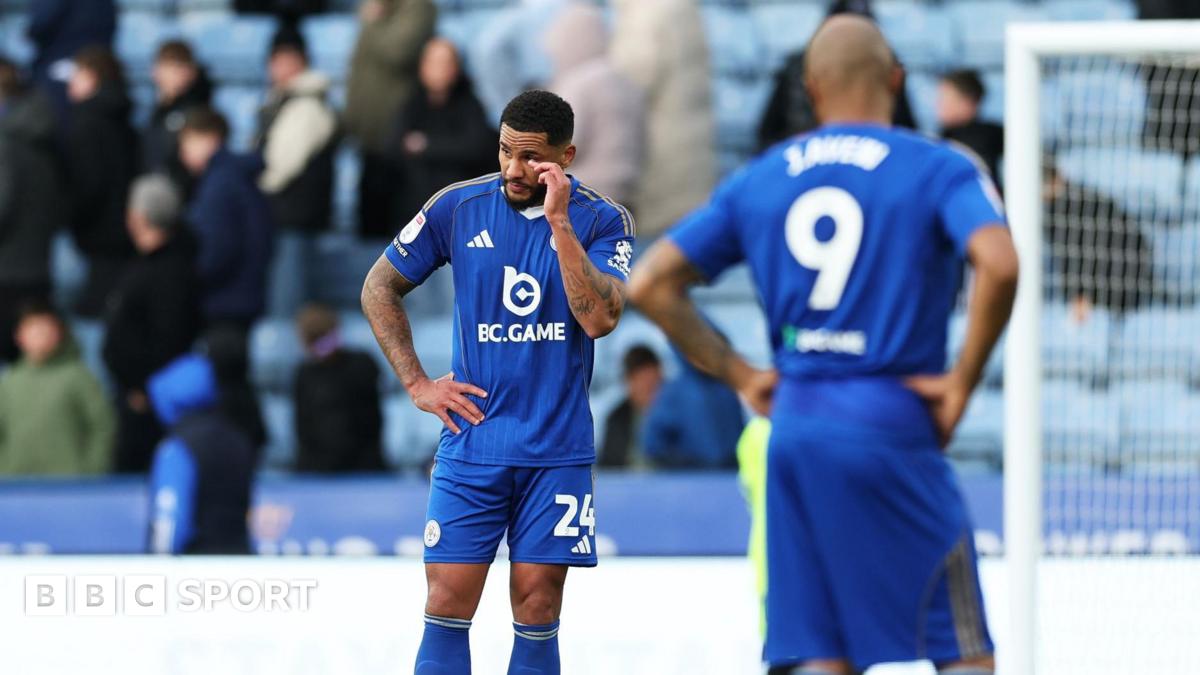
While the sentimentality in Leicester is high, a critical eye must be cast on the club's management. It is, frankly, an indictment of the scouting department that a 39-year-old was still considered a vital component of the first-team tactical plan in 2026. The "Vardy Party" was never meant to last forever, yet the club has acted as if it would. By failing to integrate a successor with a different tactical profile, Leicester have made themselves vulnerable to exactly this kind of foreseeable medical event.
The soleus tear is likely the end of Vardy's playing career at the top level. His contract expires in June, and the recovery timeline puts his return right at the end of the season. If this was his final act, it is a quiet, clinical end to a career that was anything but quiet. The industry will watch his recovery closely, but the consensus among performance analysts is that the Premier League has seen its last Vardy sprint.