The Wait for Clarity
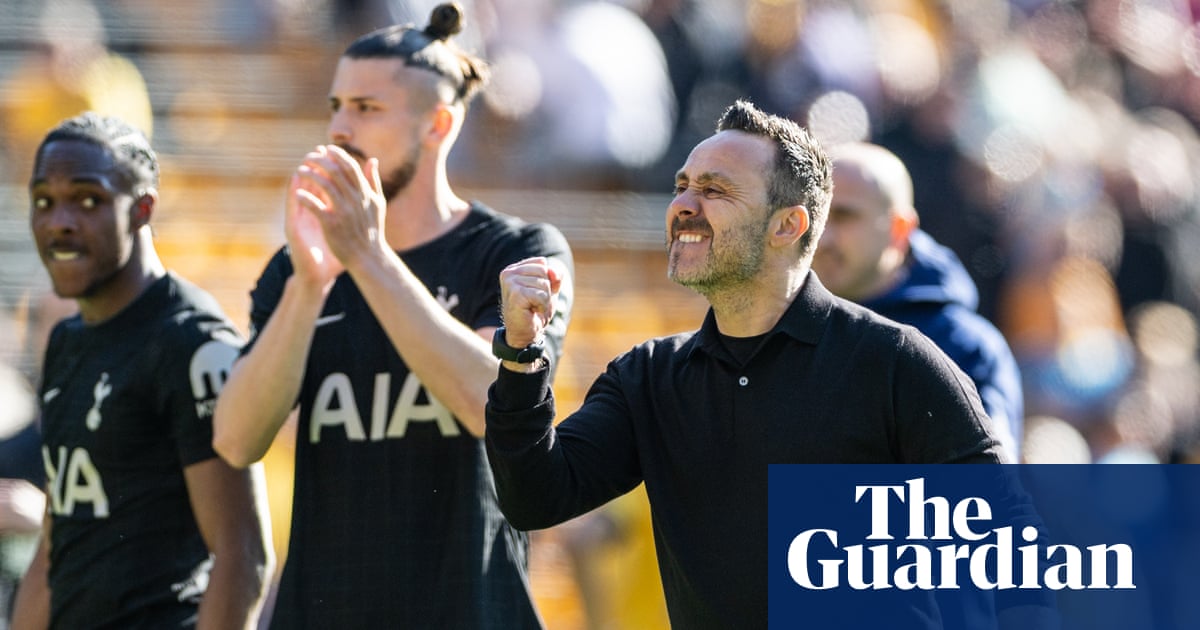
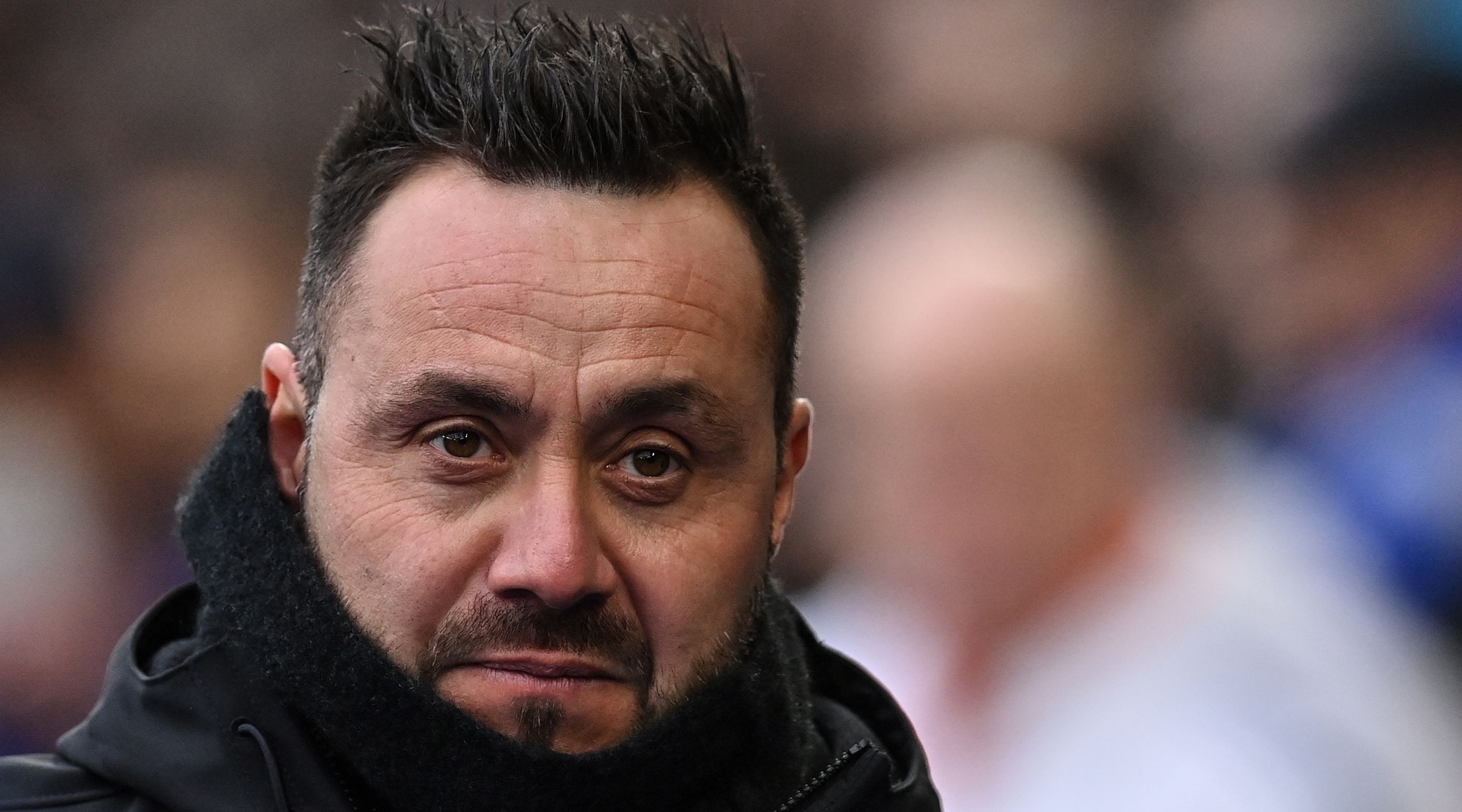
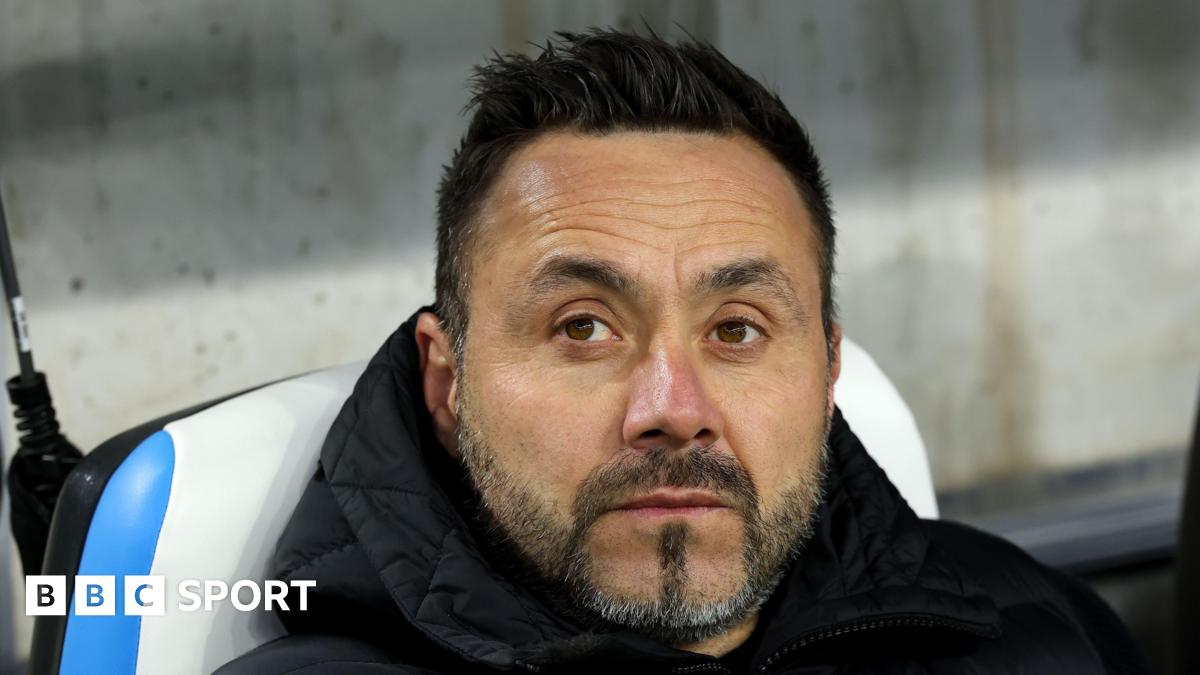
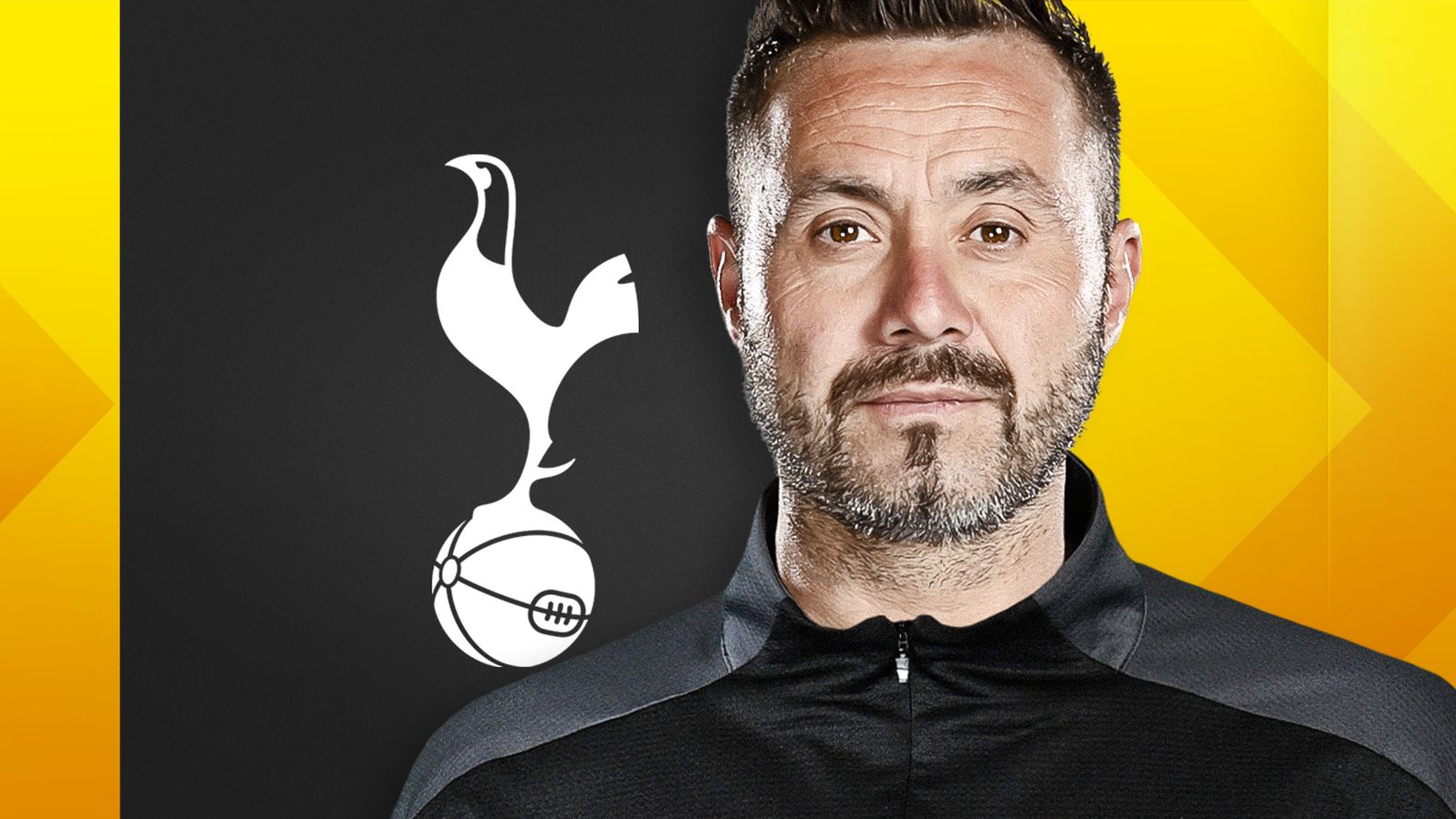
Tottenham Hotspur are facing a nervous wait. Manager Roberto De Zerbi is scheduled to face the press, and the dominant talking point is the fitness of striker Dominic Solanke. Early fears suggest the injury could be significant, casting a massive shadow over the decisive final weeks of the season. At this stage of the campaign, on May 1st, any muscular or structural issue effectively acts as a season-ender. The margin for error is gone. The club is currently assessing the damage, and De Zerbi's upcoming briefing will provide the definitive timeline.
The mood around North London is far from optimistic. Losing a focal point at this precise moment is the nightmare scenario for a team fighting for their final league position. Solanke has been central to the tactical implementation of De Zerbi's methods since the manager arrived. He is more than just a goalscorer. He is the trigger for the entire offensive structure. Without him, Tottenham look decidedly thin in attacking areas, a glaring weakness that opponents will be eager to exploit in the closing fixtures.
The Tactical Void
To understand the gravity of a potential Solanke absence, you have to look at how De Zerbi has structured this Tottenham side. The manager demands a hyper-specific profile from his center forward. It isn't just about finishing chances in the box. The striker in this system must act as the primary trigger for the high press, curving runs to cut off passing lanes to the opposition full-backs. More importantly, they have to drop deep to provide a wall-pass option when Spurs are baiting the opposition press near their own penalty area.
The De Zerbi system relies heavily on creating artificial transitions. Spurs bait the opposition press by passing short around their own box, waiting for the opponent to commit numbers forward. Once the trap is sprung, they need an immediate vertical outlet. That outlet is usually the center forward dropping into the space vacated by the pressing midfielders. The striker receives the ball with their back to goal and must execute a perfect one-touch lay-off to a third man running forward.
If the striker miscontrols the ball or fails to hold off the center-back, the entire sequence breaks down, and the team is exposed in transition. Solanke has adapted to these specific demands remarkably well. His spatial awareness allows him to find the soft spots in the defensive structure. When he isn't there, center-backs can afford to step higher, suffocating the midfield. The ripple effect of losing him touches every phase of play. The center-backs have fewer passing options. The midfielders have less space to operate. The wingers receive the ball in static situations rather than on the move.
Historical Precedent and Attacking Depth
Tottenham are no strangers to late-season striker crises. For years, an injury to a key forward in April or May would force radical reshuffles. They often tried to plug the gap with wingers playing centrally or functional backups who lacked the required technical level. The results were mixed at best. The difference now is that De Zerbi's system is far more rigid in its positional play requirements. When a piece is missing, the machine tends to sputter and stall.
Looking back at De Zerbi's time at Brighton, when he lost key central figures, the team often struggled to maintain their vertical threat, descending into sterile possession. Spurs fans have seen this movie before, and the sequel rarely ends well. The lack of elite depth at the number nine position is a systemic issue that the recruitment team has struggled to solve completely. Relying on a single profile of striker is a massive gamble that rarely pays off over a grueling 38-game Premier League season.
Strategic Alternatives and Compromises
If the worst fears are confirmed and Solanke is ruled out for the remaining fixtures, De Zerbi has a few unappealing options. He could turn to Richarlison, assuming the Brazilian is fit and available. Richarlison offers relentless energy and a chaotic pressing style, but he lacks the refined touch needed for the quick, one-touch combinations De Zerbi favors in central areas. The build-up play would inevitably become more disjointed, forcing Spurs to rely more on individual brilliance than coordinated team patterns.
Alternatively, Heung-min Son could be pushed through the middle. Son is an elite finisher, arguably the best at the club, but deploying him centrally robs the team of his immense gravity on the left flank. Playing Son as a false nine also means Spurs lose the ability to play direct to a target man when under heavy pressure. If Son is moved centrally, the dynamic changes entirely. He wants to run into space behind the defensive line. He does not want to wrestle with physical center-backs with his back to goal.
If Spurs play Son as a nine, they have to abandon the deep build-up strategy and play more direct, seeking to exploit his pace in behind. But this plays directly into the hands of deep-defending teams. Opponents will simply drop their defensive block, denying Son the space he craves, and daring Tottenham to break them down with intricate passing. Without Solanke's physical presence in the penalty area, crossing becomes largely ineffective. The wingers, rather than looking for a target man, will be forced to cut inside and shoot, making the attack heavily predictable.
The Medical Reality of May
The timing of this injury is the most brutal aspect. In October, a minor muscular strain is a temporary setback. You miss four weeks, do your rehab, and return for the busy winter period. On May 1st, even a mild strain means your season is entirely over. A sprained ankle becomes a race against time that players rarely win. Medical staffs across the Premier League are currently holding teams together with tape, painkillers, and careful load management.
The cumulative fatigue of a long season makes players significantly more vulnerable to soft tissue injuries. If Solanke has tweaked a muscle, the conservative, medically sound approach is to shut him down to protect his long-term health. But managers fighting for European qualification often push players to take significant risks. The tension between the medical department's caution and the manager's immediate need for results is a constant, stressful battle behind the scenes. De Zerbi will have to navigate this carefully.
Broader Implications for the Run-In
Beyond the immediate tactical headache for Spurs, a major injury to Solanke shifts the entire dynamic of the race for the European places. Rival clubs will view this as a clear vulnerability to exploit. Defensive lines can afford to push higher against Tottenham if they know the central focal point lacks the pace to threaten in behind or the physical strength to hold up play. It changes the pre-match preparation for every remaining opponent on the schedule.
Furthermore, it raises serious, uncomfortable questions for the upcoming summer transfer window. If Spurs fail to achieve their targets because of a single injury up front, the pressure on the board to recruit heavily will intensify dramatically. The club cannot afford to enter another campaign without a reliable, tactically versatile alternative.
Right now, everything remains speculative until the club releases an official statement. De Zerbi's press conference will provide the necessary clarity. He will face immediate questions about the exact nature of the injury, the timeline for recovery, and his intended plan B. Managers rarely give away too much tactical information in these settings, but his overall tone will be highly telling.
If the manager appears deflated and pessimistic, Spurs fans will know to brace for the worst-case scenario. If he is defiant, perhaps the injury is less severe than the initial whispers suggest. But the reality remains that Tottenham are in a highly precarious position. Their season's success hinges on the fitness of a few key individuals, and the margin for error has completely evaporated. The next few weeks will test De Zerbi's managerial acumen to the absolute limit.