Leicester's £70m black hole: A cautionary tale of ambition unfulfilled
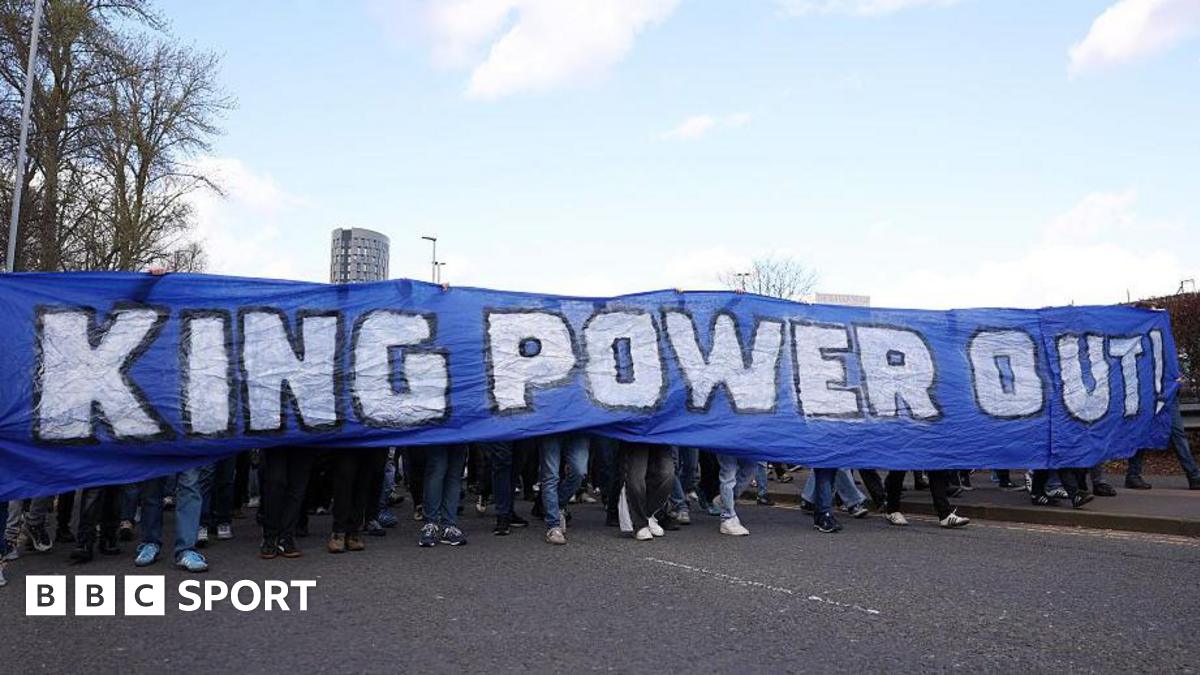
The Reckoning at King Power
Leicester City, a club that once defied gravity to lift the Premier League title, now finds itself staring into a financial abyss. The euphoria of that improbable triumph, and even the subsequent FA Cup glory, has given way to a stark reality: a reported £70 million black hole in their accounts. This isn't just about balancing books; it's about the very sustainability of a project built on what the BBC rightly describes as a "football-on-credit-card gamble." The good times, it seems, have run out, and the bill has finally arrived.
This is more than a mere accounting deficit. It represents the accumulated cost of decisions made in pursuit of sustained elite status, a chase that ultimately proved too expensive. The financial landscape of modern football is brutal, and even a single misstep can have cascading consequences. For Leicester, those consequences are now manifesting in the form of acute financial pressure and an uncertain future, regardless of their on-field performance in the Championship.
The Cost of Unchecked Ambition
The phrase "football-on-credit-card" paints a vivid, and frankly damning, picture. It implies a spending spree predicated on future earnings – whether through European qualification, sustained Premier League television revenue, or high-value player sales – that simply haven't materialized consistently enough. While the specifics of Leicester's expenditure aren't detailed in the immediate reporting, the inference is clear: wages ballooned, transfer fees were committed, and an infrastructure was maintained with the expectation of perpetual Premier League status. The underlying assumption was that the revenue streams would always keep pace.
The club’s drop into the Championship, while a sporting setback, has magnified these financial vulnerabilities exponentially. Premier League parachute payments offer some cushioning, but they are a temporary balm, not a cure. The sheer scale of the £70 million deficit suggests that the club was operating significantly beyond its means even during its Premier League tenure, or that its financial planning did not adequately account for the very real risk of relegation. This wasn't a sudden crisis, but the slow, inevitable creep of overspending catching up to reality.
The Shadow of Profitability and Sustainability Rules
The English football pyramid operates under strict Profitability and Sustainability Rules (PSR), designed precisely to prevent clubs from engaging in such high-risk financial strategies. Clubs are generally permitted losses of up to £105 million over a three-year period in the Premier League, with different thresholds in the Championship. A £70 million deficit already sounds alarm bells, and the ongoing nature of the club’s financial struggles means further breaches are highly probable. This isn’t a theoretical problem; it has tangible, immediate repercussions.
The most immediate and feared consequence for clubs in this predicament is a points deduction. Everton and Nottingham Forest have both faced such penalties in recent seasons, demonstrating the league's willingness to enforce these rules with severity. For a team battling for promotion, a retrospective points deduction can be catastrophic, undoing months of hard work on the pitch. The psychological impact on players and fans, knowing their efforts could be nullified by boardroom decisions, cannot be overstated.
Forced Decisions and Troubling Precedents
Beyond points deductions, the financial black hole necessitates a dramatic shift in strategy. Player sales become not just an option, but an imperative. Key assets, built and nurtured at considerable expense, will likely need to be offloaded, often below their market value, simply to bridge the gap. This fire sale approach weakens the squad, undermines long-term planning, and signals to potential new recruits a club in disarray. The cycle of decline can be swift and brutal.
Moreover, this situation sets a troubling precedent for other clubs aiming to punch above their weight. Leicester's journey from Championship to Premier League champions was lauded as a blueprint for ambition. Now, their financial struggles serve as a stark warning: ambition without rigorous, sustainable financial planning is a recipe for disaster. It highlights the increasingly vast chasm between the genuine financial powerhouses and those who attempt to keep pace through less secure means. The BBC article captures this perfectly, noting that Leicester are now 'going to have to endure the bad'.
Navigating the Fallout and the Path Ahead
The immediate future for Leicester City promises to be one of austerity and difficult choices. Every transfer decision, every contract negotiation, will be viewed through the lens of this immense financial burden. The transfer market, always a high-stakes environment, becomes even more perilous when a club is known to be a distressed seller. Opposing clubs will look to exploit this vulnerability, driving down prices for Leicester's top talent.
Rebuilding trust with the fanbase will also be a critical task. Transparency about the financial situation, combined with a clear, credible plan for recovery, will be essential. This isn't just about appeasing supporters; it's about galvanizing a collective effort to navigate these turbulent waters. The ownership, having overseen the period of expansive spending, now bears the responsibility of steering the club back to calmer financial seas, a task far more complex than simply writing cheques.
No Easy Answers
There are no quick fixes for a £70 million problem. It will require shrewd management, disciplined spending, and a return to the astute recruitment that characterized Leicester's early Premier League success. The dream of competing consistently at the very top of English football may need to be recalibrated, at least for the short to medium term. This isn't to say Leicester cannot rise again, but their journey will be defined by prudence rather than profligacy. The "good times" may have indeed been too good to be true, leaving a heavy debt for the future.
Read Next
- Leicester City's plunge to League One is a brutal reality check
- Harry Winks is the first asset Leicester will liquidate after League One drop
- Coventry City have finally broken the Championship glass ceiling
- Top 10: The Moments Defining the 2025/26 Season
- 🏟 EFL Championship 2025-26 — Promotion Race & Play-Off Final Hub
Amazon Fire TV Stick 4K, support for Dolby Vision, Wi-Fi 6, includes Alexa Voice Remote
Turn your TV into a Premier League headquarters.
Frequently Asked Questions
Why does Leicester City have a £70 million financial deficit?
What are the potential consequences of Leicester’s financial situation?
How did Leicester City's relegation affect their financial stability?
What are the current spending limits under Profitability and Sustainability Rules?
Why is Leicester's spending described as a "football-on-credit-card gamble"?
More Coverage

Tottenham are shaking up the squad with a record-breaking push
a minute ago
Arsenal weigh up Ethan Nwaneri departure as Premier League interest grows
2 minutes ago
Arsenal's transfer strategy remains locked on silverware
2 minutes ago
Anthony Gordon to Barcelona is a high-stakes gamble for all involved
5 minutes ago
Anthony Gordon to Barcelona marks a high-stakes gamble
2 hours ago
Arsenal's 104 million gamble on Julian Alvarez is pure chaos
2 hours agoMore Analysis

Leicester's survival hopes take a massive hit as 6-point deduction stands
1 month, 2 weeks ago
Leicester's championship misery is now official
1 month, 3 weeks ago
Leicester City are about to make the wrong kind of history
1 month, 2 weeks ago
Leicester City are speedrunning the Portsmouth challenge and it’s ugly
1 month, 1 week ago
Top 10: Defining Moments in Leicester City’s FFP Nightmare
1 month, 3 weeks ago