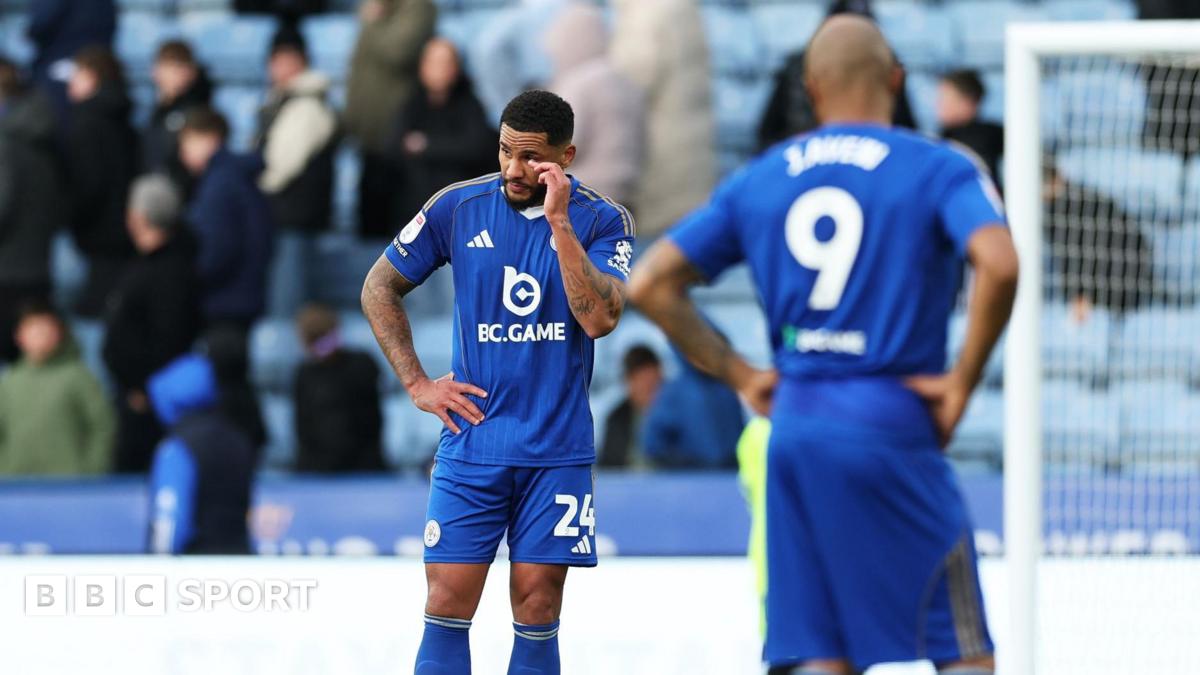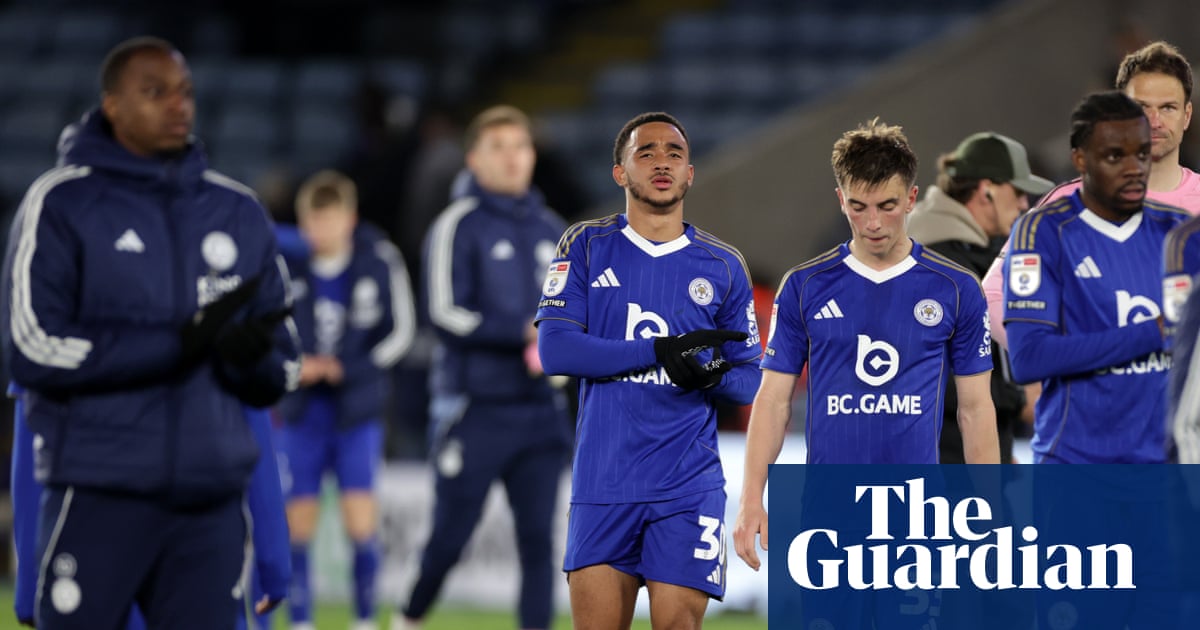
The decade-long hangover
April 23, 2026. It has been exactly ten years since Leicester City were on the verge of completing the most improbable title run in the history of English football. Today, they are staring directly into the abyss of the third tier. The drop to League One is no longer a mathematical anxiety; it is a grim, impending reality. This is not a sudden accident or an unfortunate run of injuries. It is a slow, agonizing bleed caused by severe structural mismanagement and a complete abandonment of the tactical identity that made the club successful in the first place.
When a club plummets from the Premier League to League One in short order, the autopsy usually reveals a failure in the boardroom that eventually trickled down to the pitch. For Leicester, the rot started when they stopped buying hungry, undervalued players from lower leagues or overlooked European markets. Instead, they started shopping in the premium aisles for established, declining talent on inflated wages. They attempted to punch through the Premier League's glass ceiling, but the effort merely caused the floor to cave in beneath them.
Where the tactical structure broke
Tactically, the shift over the last few seasons has been disastrous. Successive managers tried to emulate the positional dominance of top-four sides, implementing possession-heavy systems. But utilizing a 3-2-4-1 or a slow-build 4-3-3 requires central defenders who are exceptionally comfortable under pressure and midfielders who can dictate tempo. Leicester had neither. Instead, they produced a sluggish, sterile U-shape possession map. They endlessly recycled the ball between center-backs before attempting low-percentage, predictable crosses.
The pressing triggers disappeared entirely. The sheer intensity that defined their best years vanished. In the Championship this season, opposing teams realized early on that pressing Leicester's double pivot triggered immediate panic. They surrender possession in dangerous zones. You cannot survive a grueling 46-game season when your midfield gets bypassed by a single vertical pass.
Look at their defensive shape out of possession. It has routinely been a passive block that neither presses high to force turnovers nor sits deep enough to compress space in front of the penalty area. It is the absolute worst of both worlds. Opposing attacking midfielders have found pockets of space between the lines with alarming ease. When you grant that much time to playmakers, you get punished, regardless of the division.
The defensive metrics are damning. They have conceded 68 goals this campaign. That is not bad luck. That is not the result of a few questionable refereeing decisions. That is a fundamentally broken defensive unit that lacks leadership, organization, and basic situational awareness.
The boardroom disconnect
The ambition to climb higher ultimately destroyed the foundation. The wage bill bloated with players who viewed the club as a stepping stone rather than a destination. When relegation from the top flight hit, the required cultural reset never happened. The squad remained divided between high-earners who felt they were too good for the Championship and squad players who simply weren't good enough to drag them out of it.
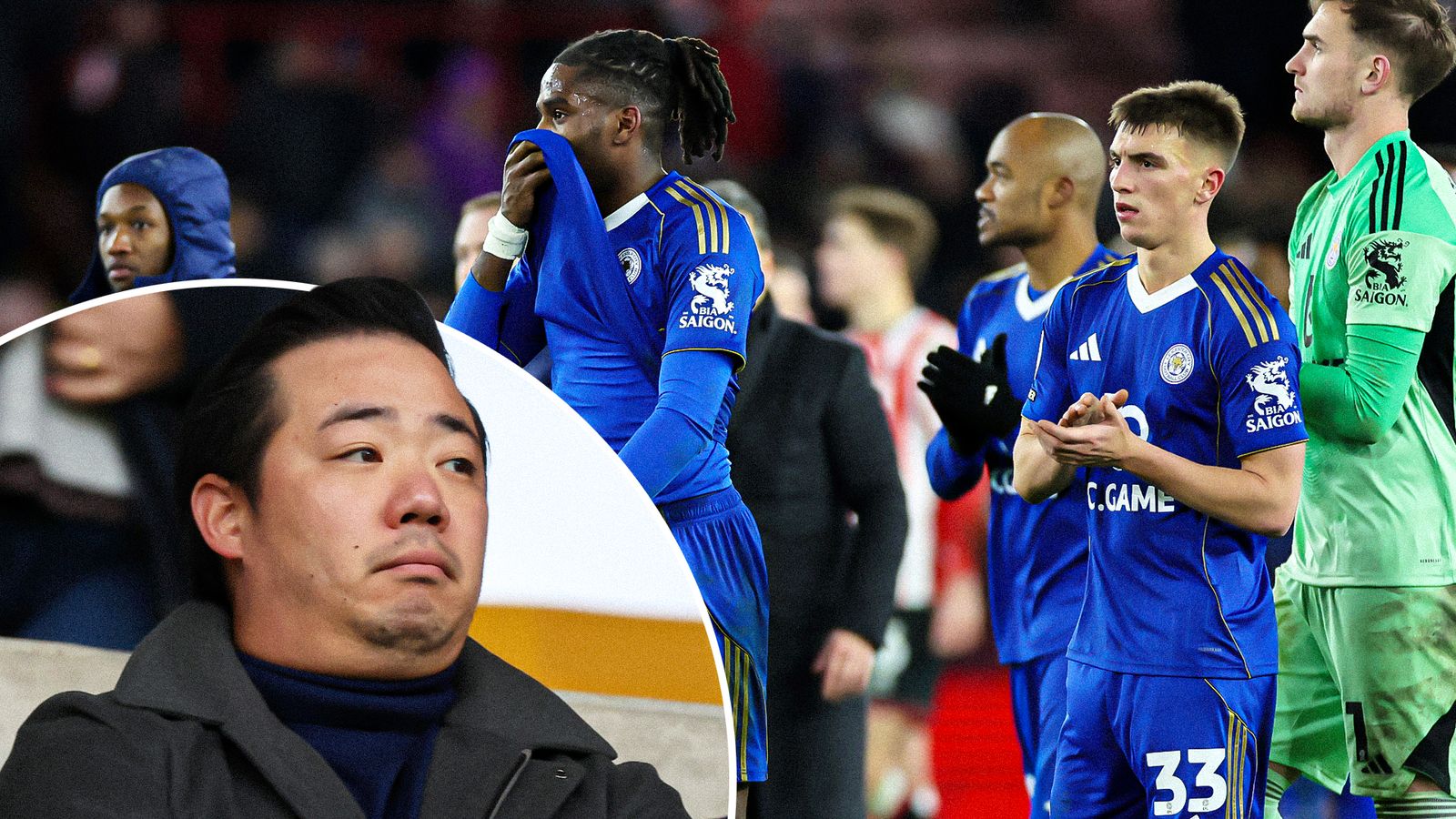
The ownership's silence during this freefall has been deafening, leaving supporters entirely alienated from the decision-making process. As The Guardian reported yesterday, the fanbase has reached a boiling point of desperation and anger.
“Is it the players, do they not care? Have you put your trust in the wrong people? This is the football club that we love and it’s down in League One, we just want to know what’s going on!"
The brutal answer to that supporter's question is yes. The ownership trusted the wrong people. The recruitment department wasted vast sums of money. And the players, by and large, have not demonstrated the necessary fight to arrest the slide. Managers were hired too late, fired too late, and handed disjointed squads assembled by committees with wildly conflicting football philosophies.
What happens next in the third tier
League One is an unforgiving environment. It is a physical, relentless division where historical reputation means absolutely nothing. Just ask Sunderland. Just ask Sheffield Wednesday. Next season, Leicester will drop into a league where they are every opponent's cup final. Currently, this squad lacks the physical grit to handle Tuesday nights at Burton Albion or Stevenage.
They need a total, ruthless reset this summer. Clear out the high earners who are legally bound to contracts they are no longer justifying. Build around academy products and hungry lower-league signings who actually understand the weight of the shirt. Drop the complex positional play and return to basic, highly effective football. Defend the penalty area with your life. Transition quickly. Win second balls.
Leicester currently defend set-pieces with a zonal marking system that looks entirely un-coached. Players lose their runners, fail to attack the first contact, and concede soft headers. If they try that against the hardened target men of League One, they will be battered into submission week after week.
The fairytale of 2016 is officially dead and buried. Nostalgia does not win points on a wet evening in the third tier. Leicester City must wake up to their new, harsh reality immediately, or the plunge might not stop here.
Read Next
- Michael Carrick has found the magic formula for Middlesbrough's late push
- Bournemouth are tactically trapped by their own possession patterns
- Bournemouth are tactically stifling Leeds before the playoff push
- Harry Winks is the first asset Leicester will liquidate after League One drop
- 🏟 EFL Championship 2025-26 — Promotion Race & Play-Off Final Hub
- 🎮 EFL League One 2025-26 — Wrexham, Birmingham & Promotion Race Hub