The ghost of 2019 cannot save this broken Liverpool defense
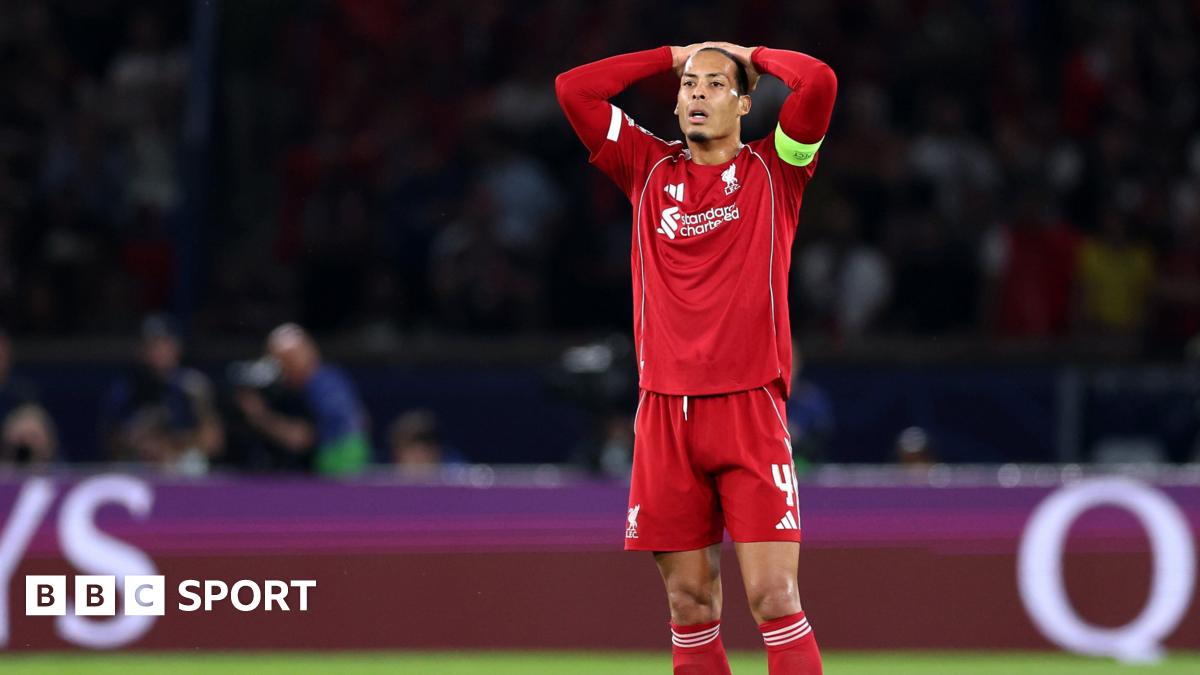
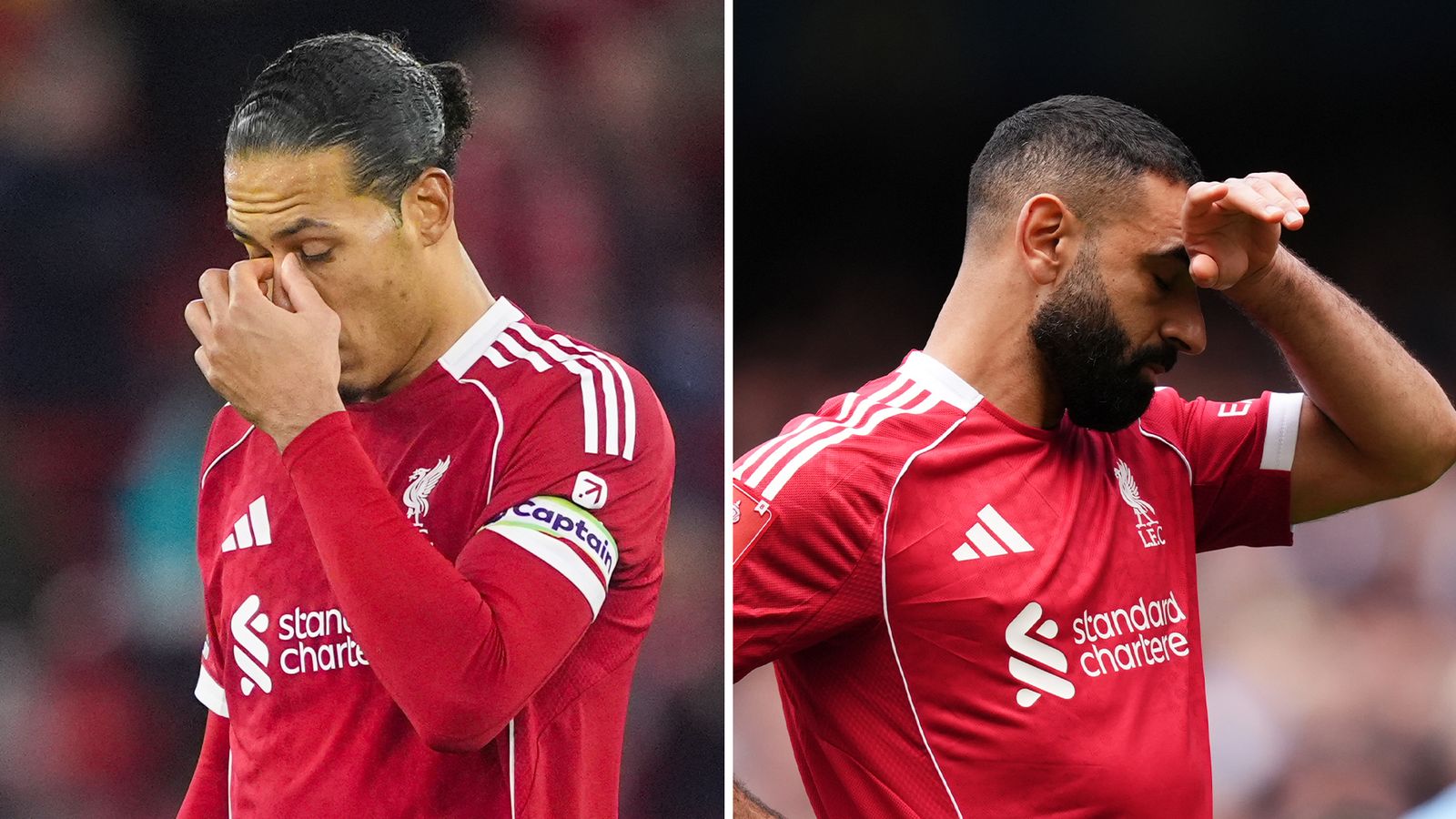
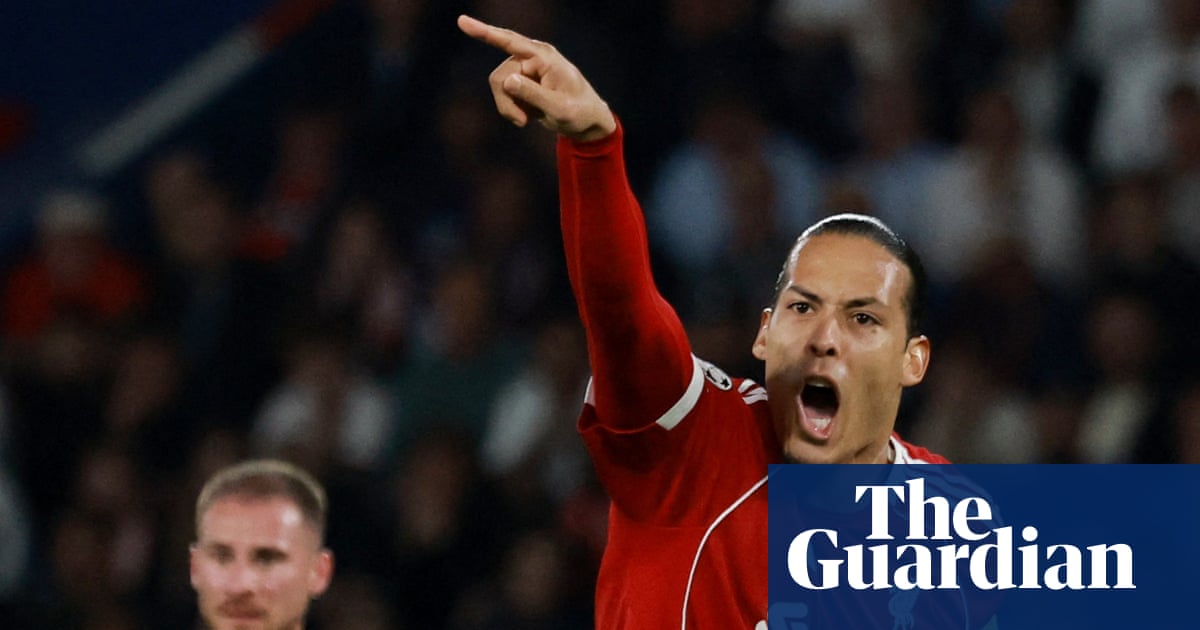
Virgil van Dijk is a man searching for a ghost. By invoking the spirit of that legendary 4-0 thumping of Barcelona, he is trying to manufacture a narrative that this current Liverpool squad simply cannot sustain. The numbers do not lie, and they are ugly. Tuesday night’s defeat in Paris was Liverpool’s 16th loss of a campaign that has seen the Arne Slot era stall before it even reached second gear.
Comparing this team to the vintage 2019 group is more than just optimistic; it is tactically delusional. That Klopp side was a physical juggernaut that prioritized intensity over structure. This version is a fragile collective that seems to shatter the moment an opponent breaks through the first line of pressure. As The Guardian reported, even Van Dijk admits the season has been unacceptable.
You do not reach 16 defeats by accident. It is a systemic failure of the rest defense. When Liverpool lose the ball in the final third, the gaps between the center-backs and the holding midfielders are large enough to fly a private jet through. PSG exploited those corridors with surgical precision in the first leg, and there is no evidence to suggest Slot has a fix ready for the return match.
The Arne Slot 'control' trap in a high-variance game
The fundamental issue is that Arne Slot is a technician of control. He wants his side to circulate the ball, maintain their shape, and wait for structural breakdowns. That works in the Eredivisie or against bottom-half Premier League sides. It does not work when you are chasing a massive deficit in the Champions League quarterfinals against elite transition players.
To beat PSG at Anfield on April 14, Liverpool have to break the game. They have to make the pitch feel small and the atmosphere feel like a suffocating blanket. But Slot’s tactical DNA is allergic to that kind of volatility. He has spent months trying to drill the 'heavy metal' out of these players in favor of a more patient build-up. Now, when he needs that old Kloppian chaos, the players look like they have forgotten the lyrics to the song.
Look at the pass maps from the first leg. Liverpool had plenty of the ball, but it was U-shaped possession. They circulated it around the periphery without ever threatening the PSG low block. When they did try to force a vertical pass, they were picked off and punished. PSG do not need the ball to hurt you; they only need the space you leave behind when you are desperate.
The defensive fragility is a feature, not a bug
We need to talk about the physical decline in this squad. The pressing triggers are delayed by half a second. That might not sound like much, but at this level, it is the difference between a turnover and a 40-yard counter-attack. Liverpool’s PPDA (Passes Per Defensive Action) has ballooned this season, suggesting a team that is either unwilling or unable to sustain the high-wire act that made Anfield a fortress.
Van Dijk remains a towering figure, but even he is being left exposed by a midfield that lacks a true destroyer. The experiment of playing technical creators in the double pivot has failed. It produces pretty triangles in the middle third but offers zero protection for the back four. PSG’s attackers were running directly at the Liverpool center-backs for 90 minutes because nobody was there to stop the service at the source.
No one gives us a chance … we have to show the fight.
That quote from Van Dijk is the classic underdog rallying cry, but fight alone does not fix a broken pressing structure. If Liverpool fly out of the traps and fail to score in the first 20 minutes, the anxiety at Anfield will become a physical weight. We have seen it multiple times this season; once the first goal goes against them, the collective belief evaporates. This is not the 'Mentality Monsters' era anymore.
PSG will sit deep and wait for the inevitable mistake
Luis Enrique is too smart to get sucked into a track meet at Anfield. He knows exactly what is coming. PSG will likely set up in a compact 4-4-2 mid-block, daring Liverpool to cross the ball into a crowded box. With no legitimate aerial threat to match the peak years of Sadio Mane or a younger Mo Salah, Liverpool’s attack has become predictable and one-dimensional.
The Parisians will wait for the 60th-minute mark when Liverpool’s legs start to heavy. That is when the game will be decided. One misplaced pass from a tiring Trent Alexander-Arnold or a heavy touch in midfield, and PSG will be away. They have the pace to kill this tie on the break, and they only need one chance to end the contest for good.
There is also the psychological factor. PSG are no longer the European bottlers of a decade ago. They have developed a cynical, street-smart edge under their current regime. They will waste time, draw fouls, and disrupt the rhythm of the game. Liverpool’s players, already frustrated by a season of underachievement, are highly likely to lose their discipline under that kind of provocation.
Final Verdict: The end of the road for the Reds
Anfield can do amazing things, but it cannot fix a team that has forgotten how to defend. Liverpool will probably win the possession battle, they might even score an early goal to get the crowd involved, but the defensive holes are simply too vast to ignore. PSG will weather the initial storm and find the away goal that kills the atmosphere.
- Liverpool have conceded first in 12 of their last 20 matches.
- PSG’s conversion rate on fast breaks is the highest in the competition this year.
- The Reds have failed to keep a clean sheet in their last 9 home games across all competitions.
The 2019 miracle happened because that team was at the absolute peak of its powers. This team is at the end of a cycle, searching for an identity that Slot hasn't quite managed to install yet. Expect a valiant effort that ultimately falls short when the defensive line is caught sleeping on a PSG counter. The dream is over; the reality is a quarterfinal exit and a very long summer of soul-searching for the recruitment team.
Read Next
- Mo Salah benched in Paris has the Liverpool internet in a total meltdown
- Van Dijk is trying to sell us a 2019 miracle that isn't coming
- Liverpool fans are losing their minds before the PSG trip
- Top 10: Top Moments
- ⚽ Ligue 1 2025-26 — PSG, Monaco & the Title Race Hub
- ⭐ UCL 2026 — Champions League Quarter-Finals Hub