The Distraction of Controversy
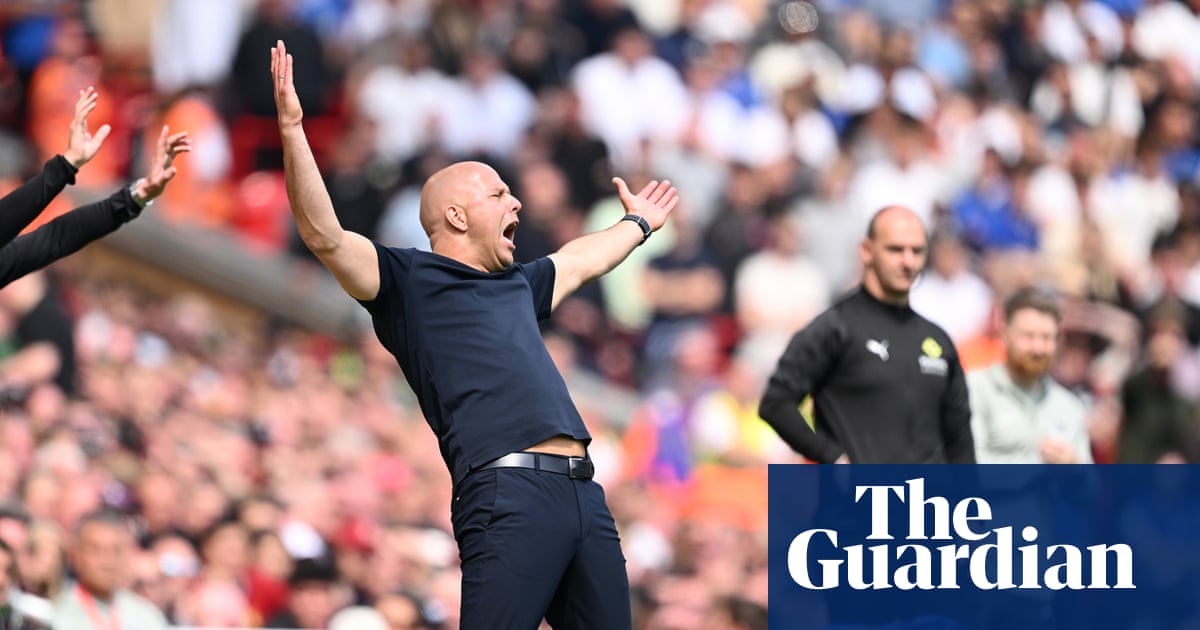
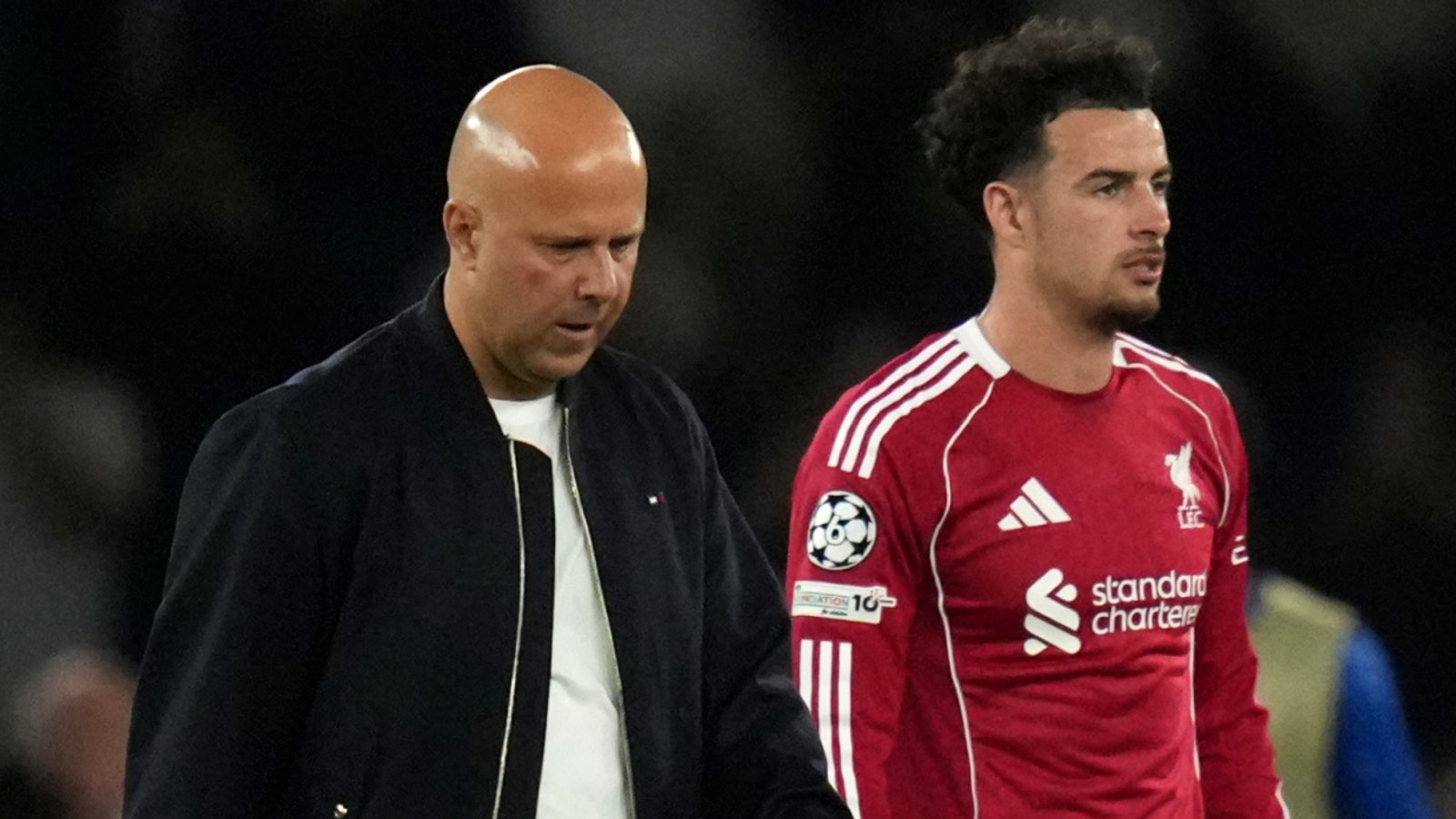
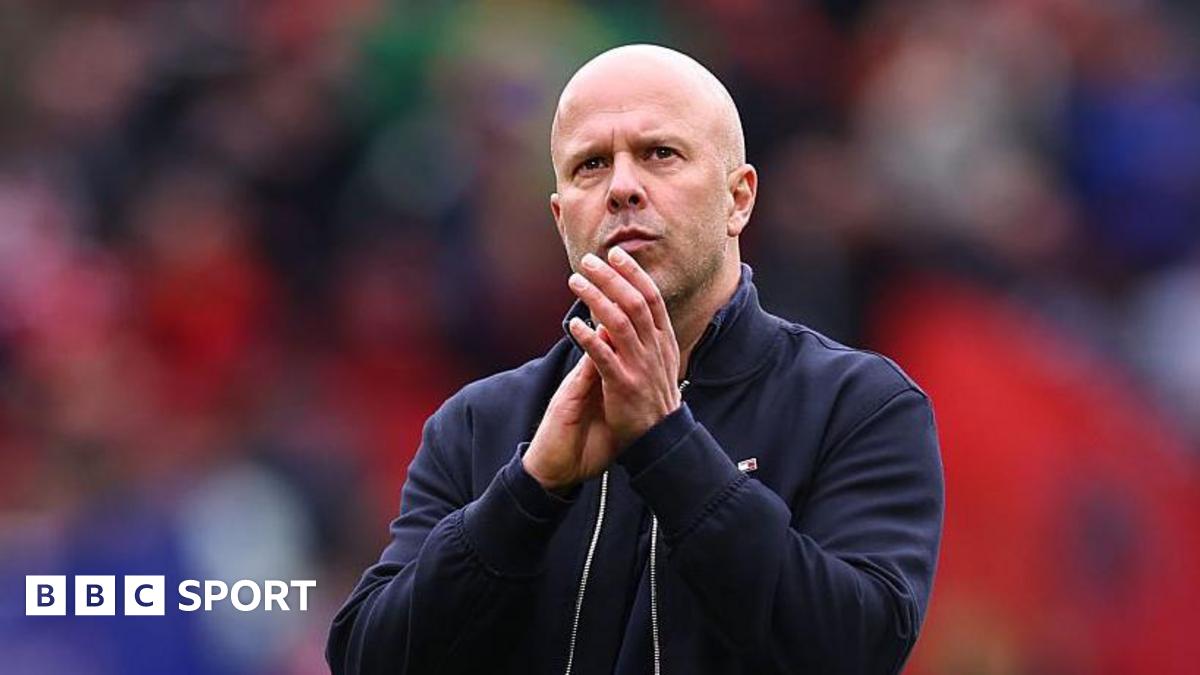
Arne Slot was furious with the officiating following Liverpool's 3-2 defeat to Manchester United. The focus of his anger was United's second goal. He firmly believed it never should have stood.
But managerial rage at VAR is often a convenient shield. It directs attention away from the pitch and toward the monitors.
The real story is not the refereeing. It is what happened during the actual run of play. Slot himself admitted there are other issues to address following the loss.
For a medical and fitness analyst, those issues look entirely physical. Teams do not concede three goals in high-stakes matches simply because of bad luck. They concede because legs get heavy, tracking back slows down, and defensive shape fractures under extreme fatigue.
Liverpool looked completely flat in the final twenty minutes at Old Trafford.
The Physiology of a Late-Season Collapse
When a manager mentions issues that need addressing after a narrow defeat, the root cause is rarely tactical. It is physiological.
Modern elite football requires players to repeatedly sprint at speeds exceeding 25 kilometers per hour. They must recover while jogging, then sprint again immediately. Over a nine-month season, the cumulative load on hamstrings, calves, and quadriceps is staggering.
Liverpool's midfielders were visibly failing to hit those top speeds as the second half wore on.
Slot inherited a squad accustomed to extreme physical demands under Jurgen Klopp. But changing the specific type of pressing triggers and defensive transitions alters the mechanical stress on the players.
A high press relies on coordinated, explosive movements. If one midfielder is half a second late because his legs are dead, the entire press is bypassed.
That forces the defensive line into emergency sprints to recover. Emergency sprints are exactly where muscle injuries happen. You could see the Liverpool center-backs desperately bailing out the midfield repeatedly against United.
The Broader Industry Crisis
Liverpool's late struggles against Manchester United highlighted this degradation perfectly. The spaces between the midfield and the defense grew wider as the match progressed.
That is the universal visual marker of deep fatigue. Players stop anticipating and start reacting. Reaction requires sudden, explosive changes of direction, which further drain already depleted energy reserves.
When United countered for their decisive goals, the Liverpool tracking runs were slow, labored, and ultimately ineffective.
This is not a uniquely Liverpool problem. It is an industry-wide breaking point. The football calendar has reached maximum density.
We are rapidly approaching the 2026 FIFA World Cup, which kicks off in North America on June 11. Players know this. Their bodies absolutely know this.
The mental fatigue of a looming summer tournament compounds the physical exhaustion of the club season.
The addition of expanded European competitions and deeper international tournaments has erased the natural off-season. Players operate with microscopic recovery windows.
Sports science dictates that a human body requires a minimum of 72 hours to fully restore glycogen levels and repair micro-tears in muscle fibers after a professional match. The current broadcast schedule routinely denies them that window.
Thursday night fixtures followed by Sunday afternoon kickoffs are destroying muscle integrity across the league.
The Red Zone Reality
When recovery is compromised, injury risk multiplies exponentially. The muscular tissues lose their elasticity.
A simple deceleration movement suddenly results in a grade two hamstring tear. We have seen this exact pattern accelerate across the Premier League over the last three years.
The sheer volume of matches is breaking the athletes. The product on the pitch suffers because the performers are physically compromised. The sluggish end to the United match was a direct result of this systemic overload.
Competitor Comparison
Look at how different title contenders manage this period. Manchester City have historically built massive squads to rotate heavily during the winter months, ensuring their key players peak right now in May.
Arsenal have relied on a stable starting eleven but completely overhauled their medical department to focus intensely on injury prevention biomechanics. Arsenal's players rarely look as physically drained in the 85th minute as Liverpool did at Old Trafford.
Liverpool have always played a heavy-metal style that burns extremely hot. Slot has attempted to introduce more control, but the baseline DNA of the squad is built on chaotic intensity.
When you apply chaotic intensity to a condensed calendar, the breakdown is inevitable. The three goals shipped to United were a statistical manifestation of tired legs. You cannot play an aggressive offside trap when the back four is too exhausted to push up in unison.
The strategic implications are severe. Liverpool cannot afford to play expansive, transition-heavy football if the squad is physically spent.
They have to find ways to rest on the ball. They must dictate the tempo rather than reacting to it constantly.
If they continue to engage in track meets, the minor knocks will turn into surgical interventions. The medical staff must demand a slower tactical approach to protect the squad's remaining health.
Historical Precedent
History is littered with teams that played brilliant football until April and then fell apart in May due to physical exhaustion. Marcelo Bielsa's Leeds United famously suffered from late-season burnout.
The physical data consistently showed a sharp decline in their total distance covered and high-speed running metrics in the final ten matches of the season. Liverpool are currently tracking toward a similar physical cliff.
Even Klopp's early Liverpool teams struggled to maintain their furious pace across a full campaign before they added elite squad depth. The 2020/21 season serves as a dark warning.
That year, a combination of structural stress and condensed fixtures obliterated Liverpool's central defense. Players were forced into unnatural roles, increasing their physical load, which led directly to secondary injuries.
A similar chain reaction is entirely possible right now.
Slot is facing a similar precipice today. The VAR controversy is a convenient headline. It gives the fans something external to blame for the defeat.
But the internal medical data will tell a completely different story. The sports scientists at Kirkby will be looking at player load algorithms and flashing warning signs.
The red zone is officially here. Ignorance of these metrics will guarantee a major injury before the season ends.
Strategic Adjustments Required
What can the medical and coaching staff do right now? The options are severely limited. You cannot build fitness in May.
In the final weeks of a season, players do not get fitter. They merely survive. The training ground focus must shift entirely from physical conditioning to pure technical walk-throughs.
Any heavy lifting in the gym or extended sprinting drills will backfire disastrously. The medical staff must implement three non-negotiable rules for the rest of the season:
- Optimize recovery variables: Sleep and nutrition must be tracked meticulously. It sounds basic, but marginal gains in recovery are the only variables they still control.
- Mandate tactical concessions: Slot might have to drop the defensive block ten yards deeper. A mid-block requires significantly less high-speed running than a high press. It concedes territory but protects the hamstrings.
- Implement ruthless substitutions: Pre-planned changes at the 60th minute, regardless of the match state, are necessary for players flashing red. If a winger has accumulated too much acute load, he simply cannot play ninety minutes without risking a serious muscle tear.
The Road Ahead
The narrow defeat to Manchester United is a massive wake-up call. The three goals conceded are clear symptoms of a larger athletic failing on the day.
The physical demands of the Premier League do not care about refereeing errors or disallowed goals. They only care about capacity and cumulative load. Complaining about VAR will not heal heavy legs.
Liverpool must address these structural and physical flaws immediately. The margin for error is entirely gone.
With the World Cup looming and the domestic season reaching its absolute climax, the medical department is now the most important room at the training ground.
If they fail to manage the fatigue, the results will continue to slip. Slot's frustration will only grow, and the underlying issues will turn into a full-blown crisis.