Diomande and the defensive transition
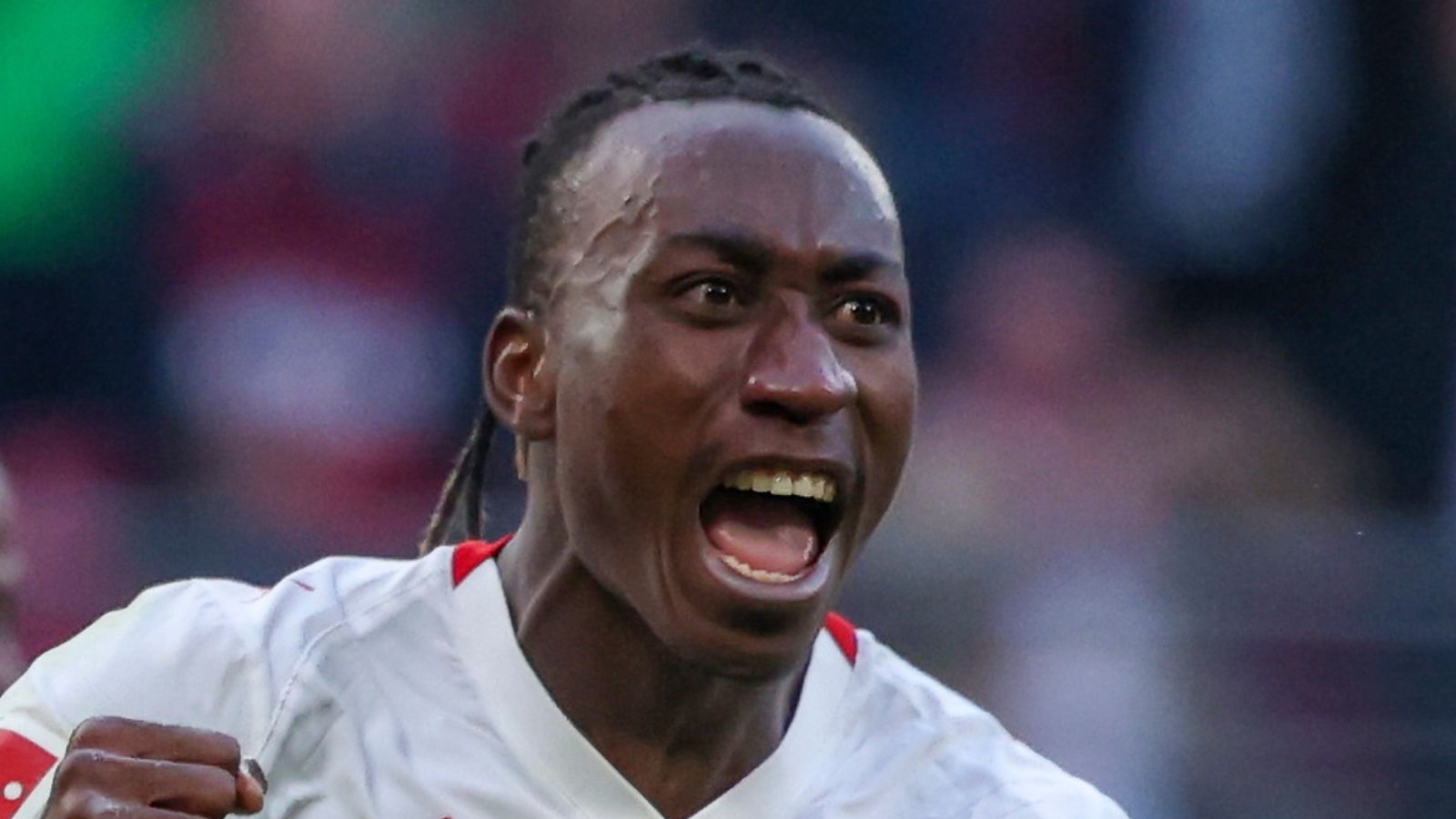
Ousmane Diomande has emerged as a high-priority target for Liverpool, yet recent reports suggest the defender is openly discussing a potential move to Paris Saint-Germain. This leaves the Anfield recruitment team in a precarious position. When analyzed against standard metrics for modern ball-playing centre-backs, his statistical profile shows why elite clubs are scrambling for his signature.
The defensive stability of a title-challenging side relies on progression from the back. Diomande recorded a pass completion rate of 91.4% across his most recent domestic campaign, a figure that places him comfortably in the 95th percentile among defenders in major European leagues. He isn't merely safe with the ball; his ability to transition play into the final third remains a standout trait.
The PSG vs Liverpool tactical tug-of-war
As Sky Sports has reported, the interest from Paris is multifaceted. While PSG offers a financial package that can dwarf most competitors, the sporting fit at Liverpool arguably favors the player’s developmental trajectory under an intensifying Premier League schedule.
We must look at his defensive actions in the 75th minute and beyond to see how he manages fatigue. His successful tackle percentage remains steady at 78% during the closing stages of matches, suggesting a level of discipline that high-pressing systems demand. If Liverpool misses out on this profile, they lose 3.2 aerial duels won per 90 minutes of gameplay, a gap they would struggle to fill using the current squad depth.
Why the numbers argue for an immediate move
Liverpool is currently recalibrating their defensive block. Signing Diomande is not just a roster move but a tactical necessity for a team that conceded 1.1 goals per match last season. The variance between their xG against and actual goals conceded highlights a reliance on individual brilliance rather than structural perfection.
There is an inherent risk in allowing a player of this caliber to drift toward the Parc des Princes. If PSG secures his services, they effectively lock down a 22-year-old asset for the next half-decade. Liverpool’s board must decide if they are willing to engage in a bidding war that could drive the fee toward €60 million, a price point that reflects current market valuation for elite defensive talent.
Criticism is due regarding the recruitment strategy if this move fails. The club has spent cycles refining their database for defenders who fit the high-line requirement, yet seeing a primary target openly courting a direct rival suggests a failure in early-stage persuasion. When the market moves this quickly, indecision is essentially a loss.
Read Next
- Top 10: Defining Moments of the 2025-2026 Football Season
- Liverpool's chaotic window as top targets drift toward summer exits
- Liverpool's summer recruitment requires more than just sentiment
- Liverpool's defensive gamble rests on Ousmane Diomande
- ⚽ Ligue 1 2025-26 — PSG, Monaco & the Title Race Hub
- ⭐ UCL 2026 — Champions League Quarter-Finals Hub