The injury headache at Anfield
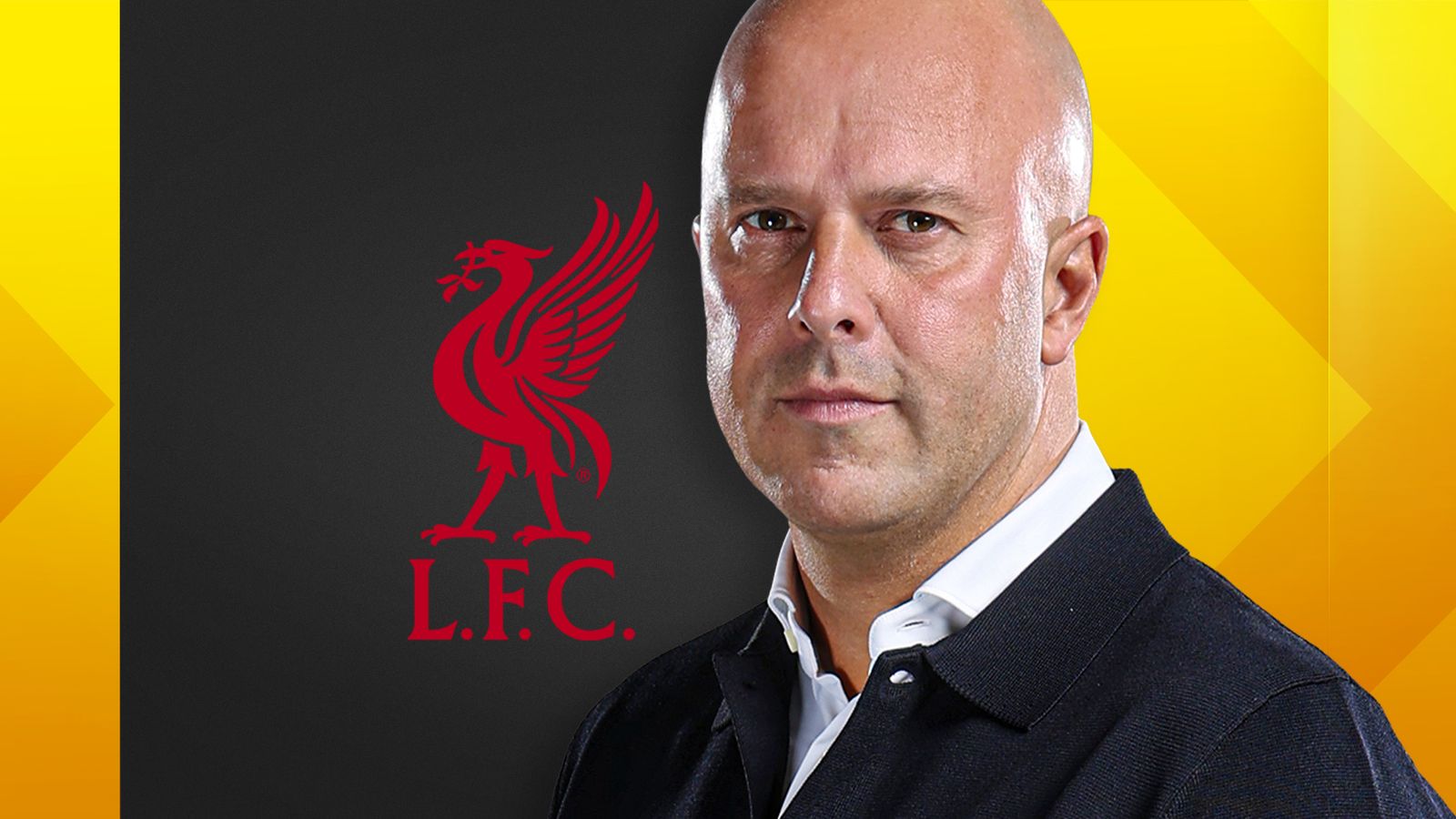
Liverpool’s squad is navigating a stretch of high-stakes physical attrition that is complicating plans for the immediate future. Arne Slot, currently unemployed after his departure from the club, has reportedly rejected an opening at Fulham, preferring to observe the current chaos from a distance rather than jumping back into a volatile Premier League environment.
The medical department at the AXA Training Centre has been busy. With the recent transfer market trends favoring proven commodities over developmental prospects, the current injury list exposes a lack of depth that cannot be fixed before the window slams shut. Coaches are forced to rely on players who are either overworked or under-prepared as the clock ticks toward the June 11 World Cup start date.
Tactical ripple effects of the current burnout
The reliance on veteran talent to bridge the gap has backfired. Heavy leg loads from the tail end of the European campaign have left key contributors sidelined with soft tissue problems. This is not a new phenomenon: in previous cycles, managers attempted to rotate squad players to preserve starters, but the increased intensity of modern league schedules leaves players with almost no recovery buffer.
As Sky Sports reports, the managerial carousel adds another layer of instability. When clubs are shifting leadership as frequently as Liverpool has, the fitness protocols often change mid-season, leading to disjointed rehabilitation timelines. Athletes get caught between two different methodologies, preventing a clean return to pitch.
The strategic failure of thin recruitment
Everton’s ongoing struggles in the treatment room mirrors what is happening across the league. Coaches are finding it impossible to implement a consistent tactical identity when the starting XI changes weekly due to medical necessity. Club executives failed to account for the physical toll of 60-game seasons, choosing to squeeze value out of aging stars instead of cycling in fresh, durable depth.
The standard of play is suffering. Because teams lack reliable rotation, the last twenty minutes of matches have become erratic, characterized more by fatigue-driven errors than tactical brilliance. The refusal to invest in squad durability means games are being decided by who is least broken, rather than who is best prepared for the competition.
Risk management before the World Cup
With only 5 days until the opening kickoff, the urgency to get players back on the grass is reaching a fever pitch. International federations are watching these club medical reports with extreme anxiety. One minor setback in club training now could result in a player missing their national team’s marquee opening match.
The lack of depth is not just a tactical issue — it is a financial one. Clubs are bleeding value as assets sit in the physio’s office instead of increasing their price on the pitch. Unless recruitment departments pivot from buying big names to buying balanced rosters, the injury-induced rotation will continue to drag down the competitive consistency of the league throughout the 2026/27 campaign.
Read Next
- Arne Slot's Liverpool exit shows why attitude matters more than analytics
- Everton's squad depth takes a hit as World Cup kick-off nears
- Mark Bosnich World Cup broadcast status in doubt after filming injury
- Arsenal's defensive bedrock defines the PFA award shortlists
- 🏆 World Cup 2026 — Full Coverage Hub