The Anatomy of a Defensive Collapse
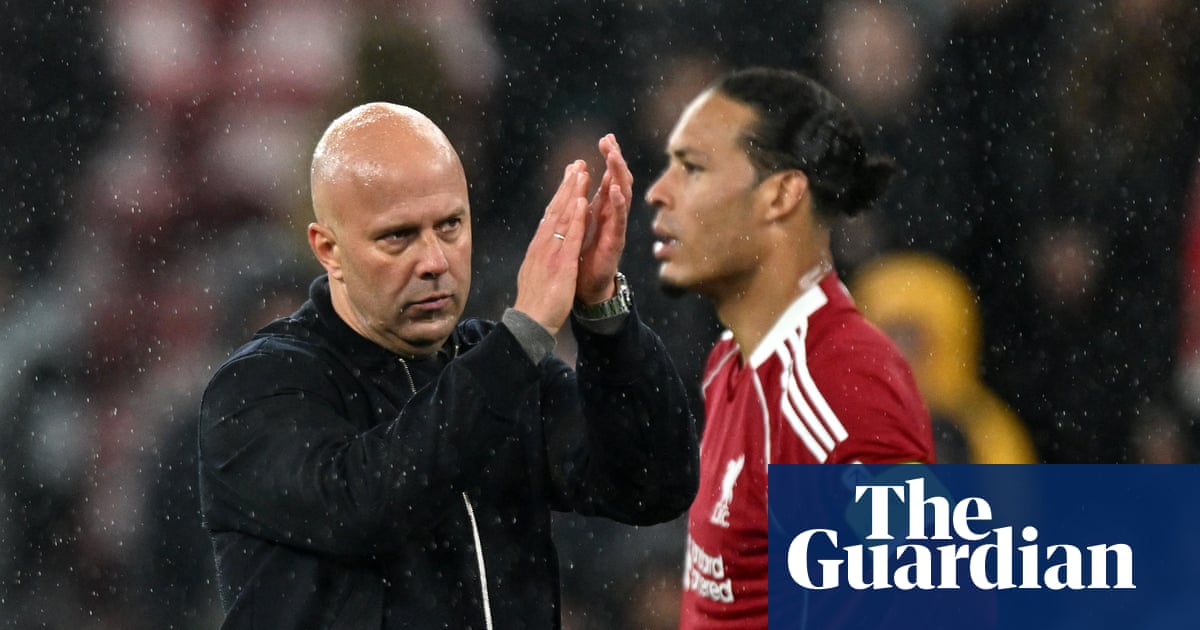
Liverpool’s pursuit of Champions League football hit a violent wall at Villa Park tonight. As the Daily Mail documented, Arne Slot’s backline was repeatedly picked apart by Unai Emery’s side. The tactical failure was compounded by visible fragility across the defense, raising questions about player availability just weeks before the season concludes.
The Medical Reality
The current state of the Liverpool medical bay is a direct reflection of a season defined by attrition. Reports have circulated regarding the persistent issues hindering the squad's consistency. While specific scan results for tonight's participants remain private, the wear and tear associated with Slot’s high-intensity system is evident. When a backline is “ripped apart”—a description used by club icon Jamie Carragher—the physical toll on the defenders is frequently the culprit.
We must separate the tactical failures from physical limitations. Slot’s squad has struggled with rotation depth all campaign. Similar scenarios have occurred in previous eras at Anfield, where a thin defensive roster led to late-season stagnation. Unlike the 2020-21 campaign, which saw an unprecedented sequence of season-ending injuries to Virgil van Dijk and Joe Gomez, the 2026 struggles revolve around repeated soft-tissue issues and chronic recovery delays.
Strategic Implications for the Summer
The urgency to recruit is now a boardroom priority. Liverpool are actively monitoring the market, specifically targeting versatile center-backs. Bournemouth’s defender Marcos Senesi has emerged as a primary target due to his impending free agency, though competition is fierce. As reported by the Mirror, Liverpool face stiff competition from Tottenham for his signature. Relying on players whose injury history is documented as 'persistent' is a gamble that has clearly failed Slot this year.
The club’s injury management protocol is under the microscope. Historically, Liverpool have utilized advanced sports science to mitigate downtime. However, the current visual evidence—players visibly labored during the transition against Aston Villa—suggests that the current approach is missing its mark. Whether this stems from inadequate pre-match preparation or a refusal to rotate key veterans like Van Dijk, the result remains the same: a squad that lacks the necessary durability to sustain a title charge through May.
Industry Context
The broader Premier League landscape is punishing. High-performance departments across the top six are currently navigating the most congested schedule in football history. When a team loses its structural integrity, opponents like Aston Villa are ruthless. The failure to secure top-tier defensive cover during the January window looks increasingly like the defining error of the board’s season. Without a significant shift in medical reliability, the gap between the Champions League elite and the chasing pack will only widen.
Management must address the fatigue factor. If the club cannot secure Champions League football, their marketability for elite-level free agents drops significantly. The scramble at the end of the season is proof that long-term prevention was prioritized far below short-term tactical experimentation. For fans looking for answers, the timeline for recovery for minor knocks is usually measured in days, but the structural repair to this defense will take the entire summer window to resolve.
Ultimately, the optics of the night were disastrous. Watching a team fighting for Europe capitulate with such regularity is the hallmark of a side physically and mentally spent. Arne Slot must decide if he will continue to favor rigid adherence to his starting individuals or finally rotate to preserve the remaining fitness within the ranks. The current approach is not yielding results, and the injury reports are merely the silent scoreboard marking their decline.