The Anatomy of an Anfield Rebuild
Liverpool’s current strategy feels like a desperate attempt to stabilize a system that has been leaking since the summer. Monitoring the pursuit of Adam Wharton for a club-record fee suggests the recruitment department has lost faith in the existing engine room. Trading out proven Premier League minutes for potential is a classic mid-table tactic, not a move for a club eyeing consistent European silverware.
The internal logic seems to rely on the hope that Wharton can anchor a transition while the club simultaneously offloads established assets. Reports indicate that Curtis Jones and Alexis Mac Allister are being made available. When you strip away two players who understand the tactical requirements of a high-press system, you aren't just refreshing the roster; you are creating a void in chemistry that money rarely fills instantly.
The Tactical Cost of Moving Parts
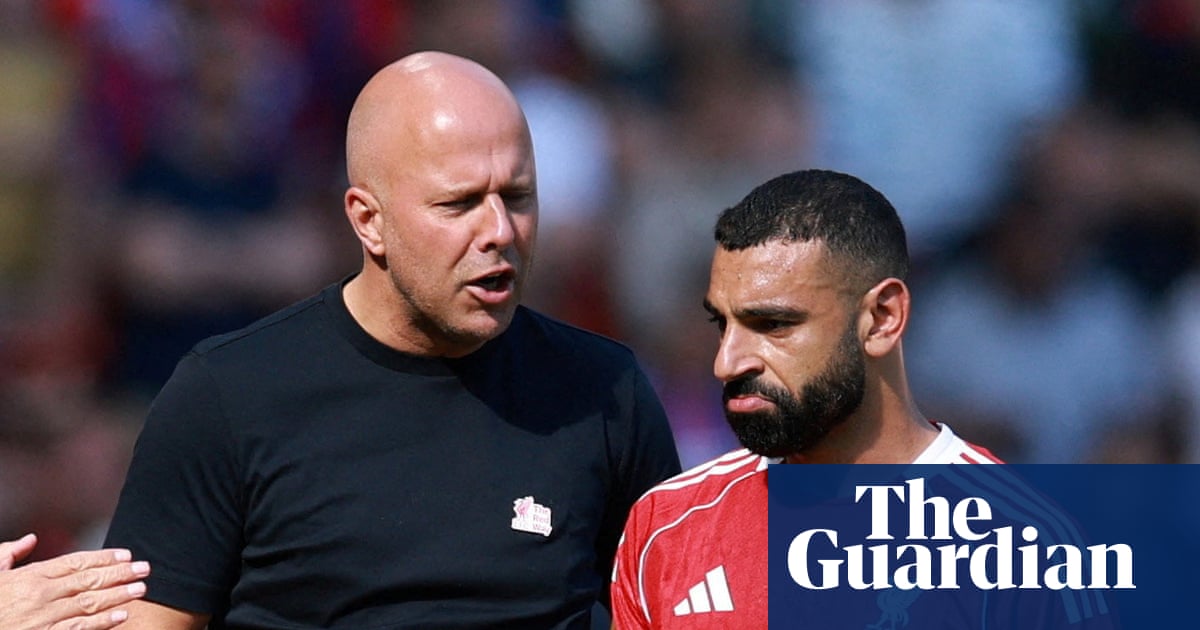
The numbers regarding the difficult season at Anfield speak for themselves. Inconsistency has become the defining characteristic of this group. There is a glaring contradiction in trying to sell Salah while simultaneously betting the house on a single midfielder. If you lose your primary creative outlet, even the best defensive pivot in the country will spend his afternoons chasing shadows after an 80th-minute concession.
We have to talk about the departure of Andy Robertson to Tottenham. If there is an agreement on everything, management is effectively signalling that the current defensive structure is broken beyond repair. Watching clubs trade starting-caliber fullbacks mid-cycle usually implies a total scorched-earth policy, which seldom produces results in the following campaign.
Predicting the Fallout
Expect a significant regression in points per game early next season. The time required for a pivot of Wharton’s profile to adjust to the specific pressing triggers of a club like Liverpool is historically around five to six months. In a league as unforgiving as this one, that is a quarter of a season effectively written off as a learning experience.
The club is also fighting an uphill battle regarding depth. Missing out on targets like Bastoni and Senesi forces the team to look down-market for defensive solutions. This lack of clear direction in the secondary tier of signings suggests that the scouting department is struggling to find value in a market where every selling team knows Liverpool is desperate.
- Potential loss of creative output without a clear Salah replacement.
- High turnover in the defensive line disrupting the back-four unit cohesion.
- The physical demand of a new midfield pivot adapting to excessive defensive workloads.
The decision to purge the existing squad depth, combined with the lack of progress on marquee defensive targets, will likely result in a 5th or 6th place finish. They are banking on individual talent to overcome systemic flaws, a gamble that has failed consistently across the Premier League over the last three seasons. Unless these record-breaking fees translate into immediate tactical cohesion by the first international break, the transition will be viewed as a technical failure. They are sacrificing their floor for a ceiling that seems increasingly unreachable.
Read Next