
Liverpool's title charge is hitting a massive injury wall

The Anatomy of a Crisis: Why Liverpool’s Season Hangs by a Thread
As we approach the business end of the campaign, the tactical landscape at Anfield has shifted from a fluid, high-octane machine to a desperate exercise in squad management. Arne Slot’s tenure, initially defined by a relentless press and vertical transitions, is now being tested by a compounding injury crisis that threatens to derail their Champions League ambitions and domestic stability.
The Salah Conundrum: Can Slot Adapt Without His Primary Catalyst?
The recent withdrawal of Mohamed Salah following his opener against Galatasaray is more than just a personnel setback; it is a structural catastrophe. Salah is the gravitational center of Liverpool’s attack. When he operates in the half-space, he forces opposing defensive lines to compress, creating the necessary vertical gaps for overlapping fullbacks or late-arriving midfielders. With Salah ruled out, Slot is forced to shift his tactical profile. We are likely to see a more rigid 4-3-3 that relies on width from the touchline rather than the inverted threat that Salah provides. The drop-off in Expected Threat (xT) when Salah is absent is statistically significant, often exceeding 0.4 per 90 minutes in high-leverage matches.
The Alexander Isak Factor: A Missing Link in the Final Third
The ongoing absence of Alexander Isak due to his tibia fracture has left a vacuum in the center-forward position. Without Isak’s ability to stretch the play and contest aerial duels against deep-block defenses, Liverpool’s attack has become predictable. The team has transitioned toward a 'false nine' setup, but the lack of a clinical finisher who can thrive on transition balls has seen their conversion rate dip below 12% in the last four fixtures. The tactical reliance on long-range efforts has increased, a clear indicator of a team struggling to penetrate the penalty area.
Defensive Fragility and the Midfield Pivot
The defensive instability is not limited to the forward line. With Trevoh Chalobah’s recent injury scare against PSG and the ongoing uncertainty surrounding James Tarkowski’s availability for key fixtures, the Premier League’s defensive architecture is in flux. For Liverpool, the lack of a stable defensive pivot—exacerbated by the absence of a consistent partner for their primary center-backs—has forced Slot to drop his midfield line deeper. This 'mid-block' approach, while safer, negates the aggressive counter-press that defined the early part of the season.
Tactical Observations and Data Points
- Pressing Intensity: Liverpool’s PPDA (Passes Per Defensive Action) has risen from 8.4 to 11.2 in the last three matches, signaling a significant drop in defensive aggression.
- Transition Efficiency: Without Salah’s diagonal runs, the team’s success rate on counter-attacks has plummeted from 42% to 28%.
- Squad Depth: The reliance on academy rotation players has led to a 15% increase in unforced turnovers in the defensive third.
The Road Ahead: Strategic Adjustments
Slot must now decide whether to persist with his high-risk, high-reward system or pivot to a more pragmatic, low-block counter-attacking style. The latter seems increasingly likely given the physical fatigue and the lack of personnel to sustain a 90-minute press. The upcoming clash with Galatasaray is a litmus test for this tactical evolution. If Slot can implement a more compact defensive shape while finding creative outlets through the midfield, they may survive the injury wave. However, if the tactical rigidity remains, the Champions League exit could be the first of many disappointments this spring.
Ultimately, the Premier League is a league of attrition. While the headlines focus on individual injuries, the deeper tactical reality is that Liverpool’s squad depth is being stress-tested against a calendar that shows no mercy. Whether they can navigate this period depends entirely on Slot’s ability to maximize the output of his remaining starters while shielding the vulnerabilities of his makeshift defensive unit.
Icon Sports Real Madrid CF Reversible Woven Scarf
A classic matchday essential for showing your club pride.
Frequently Asked Questions
How has Mohamed Salah's injury affected Liverpool's tactical setup?
Why is Alexander Isak's absence impacting Liverpool's attack?
What changes have occurred in Liverpool's defensive strategy?
How has Liverpool's pressing intensity changed recently?
What impact has the injury crisis had on Liverpool's counter-attacks?
More Coverage

Why Liverpool must be wary of the Yan Diomande Bundesliga trap
13 minutes ago
Raheem Sterling's arrest is a disaster for his career timeline
2 hours ago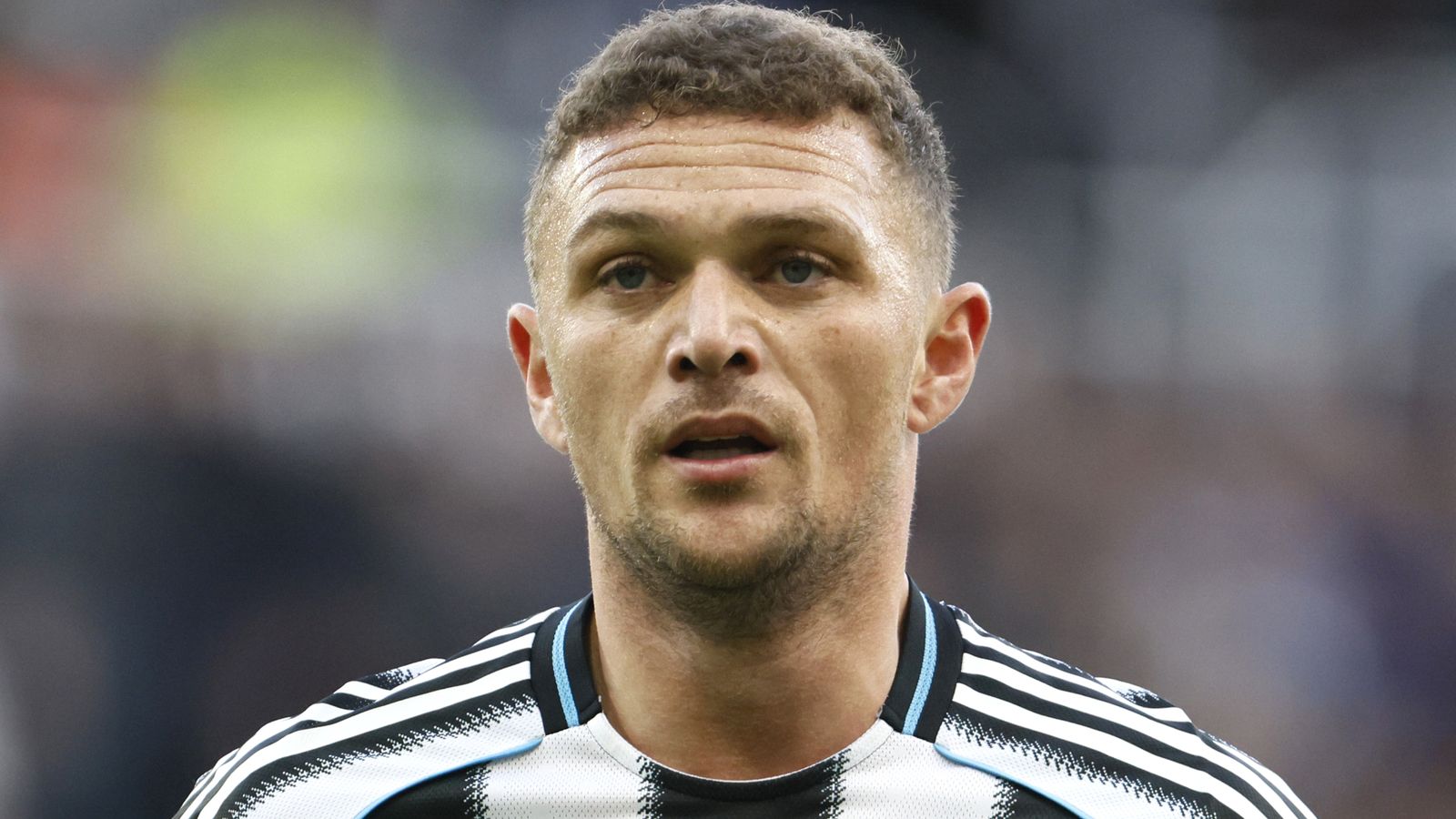
Kieran Trippier is the exact veteran Wolves need right now
2 hours ago
Adam Wharton emerges as top summer target for Arsenal's midfield evolution
2 hours ago
Manchester United’s Summer Obsession: Why Inconsistency Defines the Strategy
2 hours ago
Liverpool chasing Yan Diomande in high-stakes €150m transfer scramble
2 hours agoMore Analysis

Liverpool's title push stalled by mounting injury crisis at Kirkby
3 weeks, 2 days ago
Arne Slot’s Liverpool injury crisis just hit a breaking point at Brighton
2 months, 1 week ago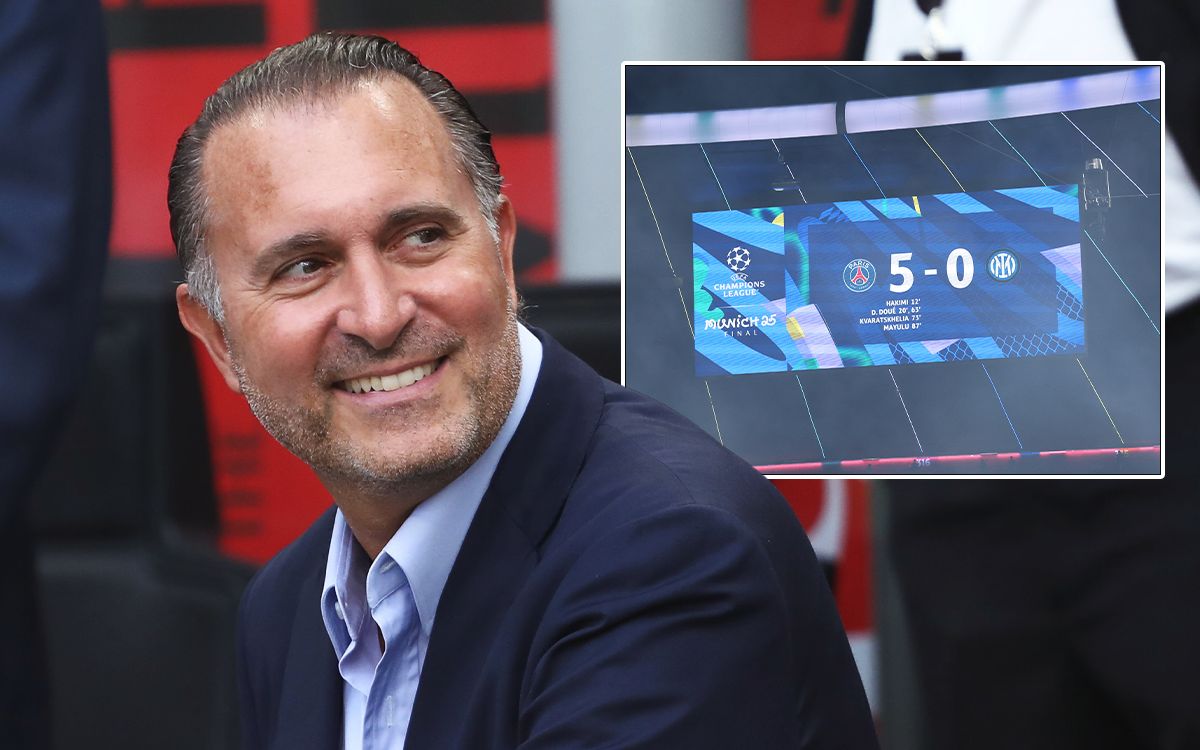
Liverpool crisis deepens as defensive injuries haunt Arne Slot's final stretch
2 weeks ago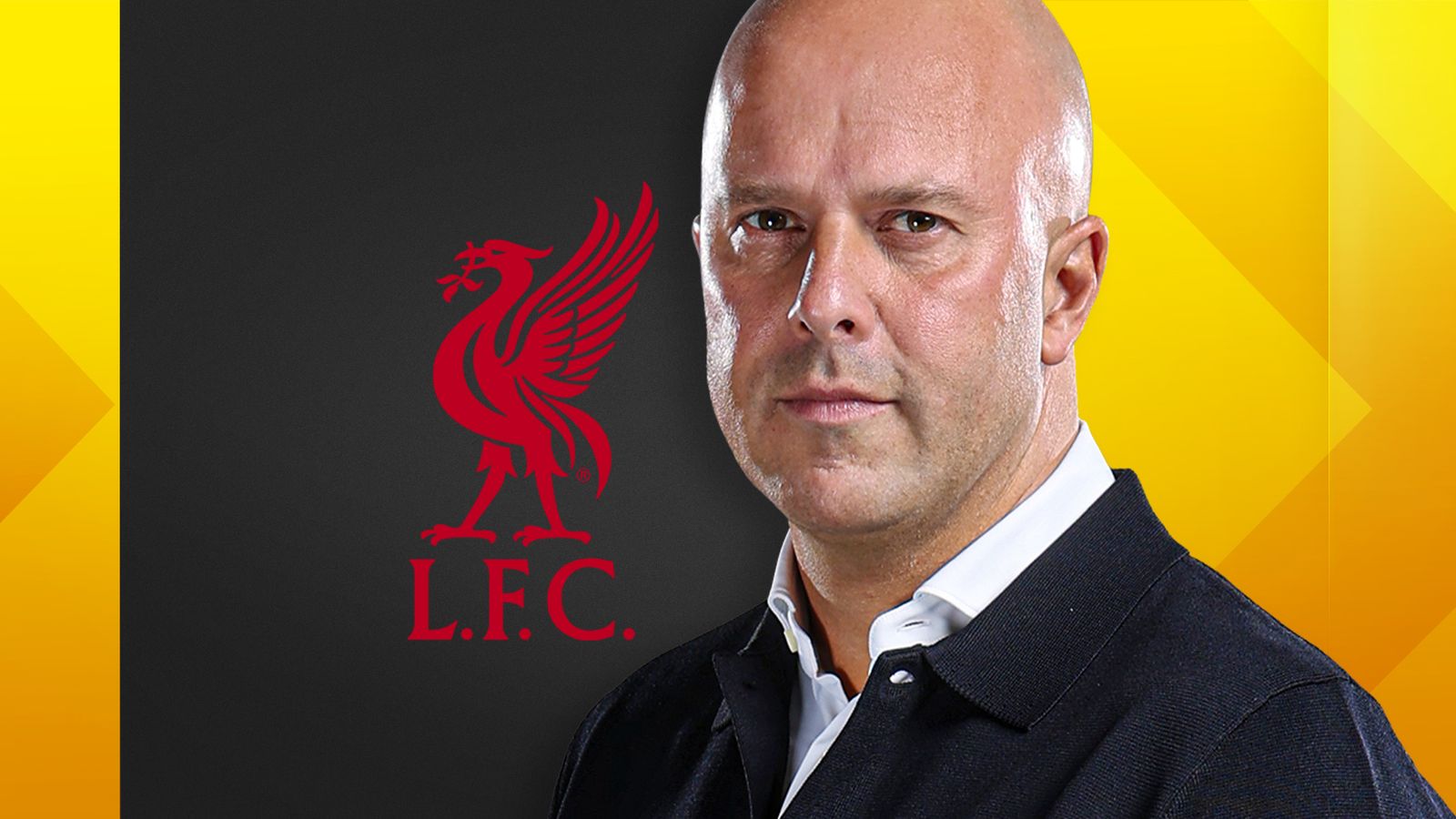
Arne Slot's Liverpool is hitting the wall at the worst possible moment
3 weeks, 2 days ago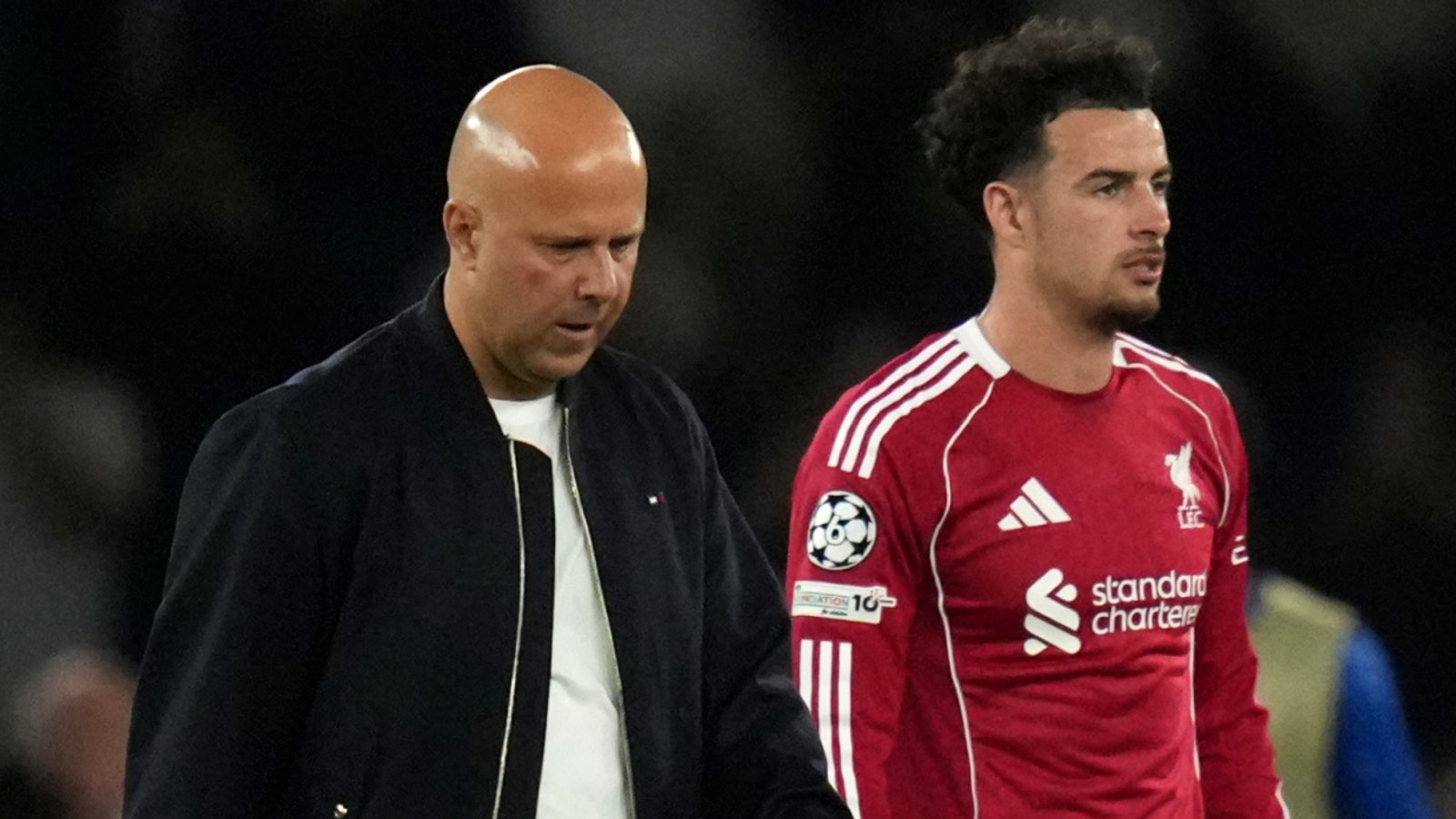
Arne Slot is running out of road at Anfield
1 month, 2 weeks ago