The end of an era for Luka Modric
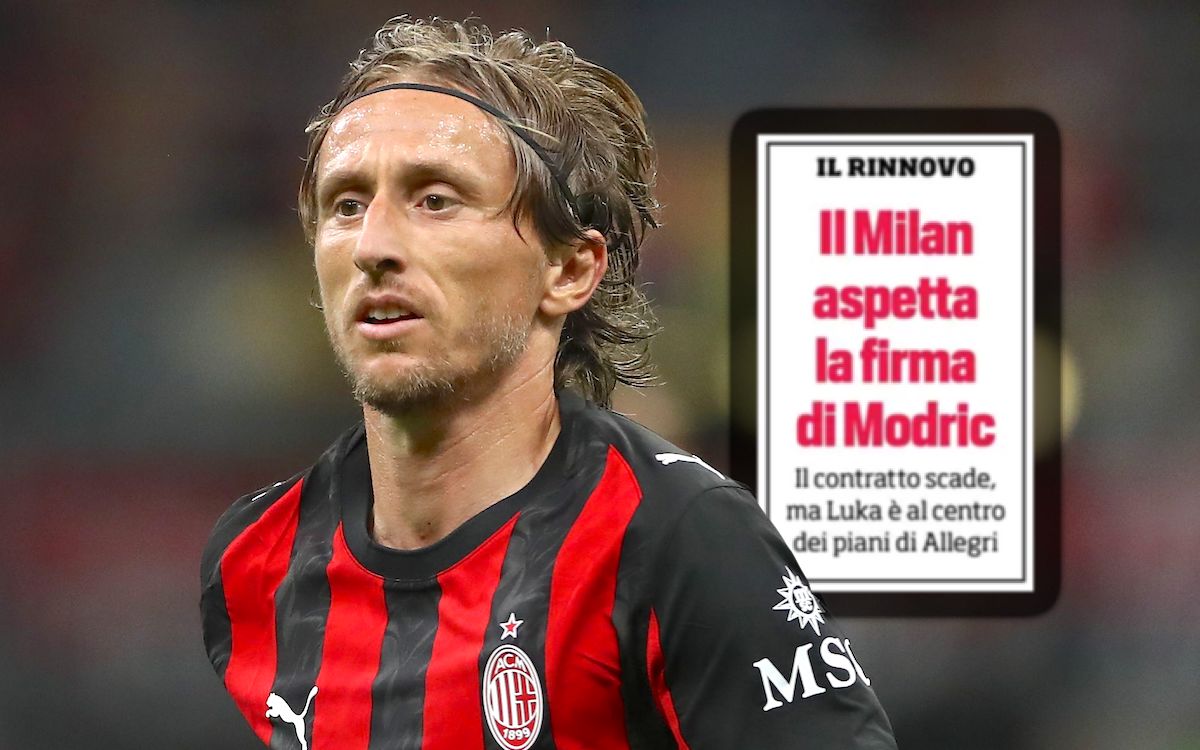
Luka Modric’s decorated career is entering its final act. As reported by Gazzetta dello Sport, indications currently point toward the Croatian midfielder opting for retirement this summer rather than extending his tenure in Serie A. The logistical reality is finally catching up to a player defined by supernatural longevity.
While no formal retirement date has been signed, the chatter around the club is definitive. Modric, who has battled mounting fatigue throughout the 2025/26 season, appears to have reached the physical ceiling expected of a man playing at his age. There is no major injury keeping him out today, but the wear and tear have rendered him a peripheral figure in recent tactical setups.
The strategic vacuum at San Siro
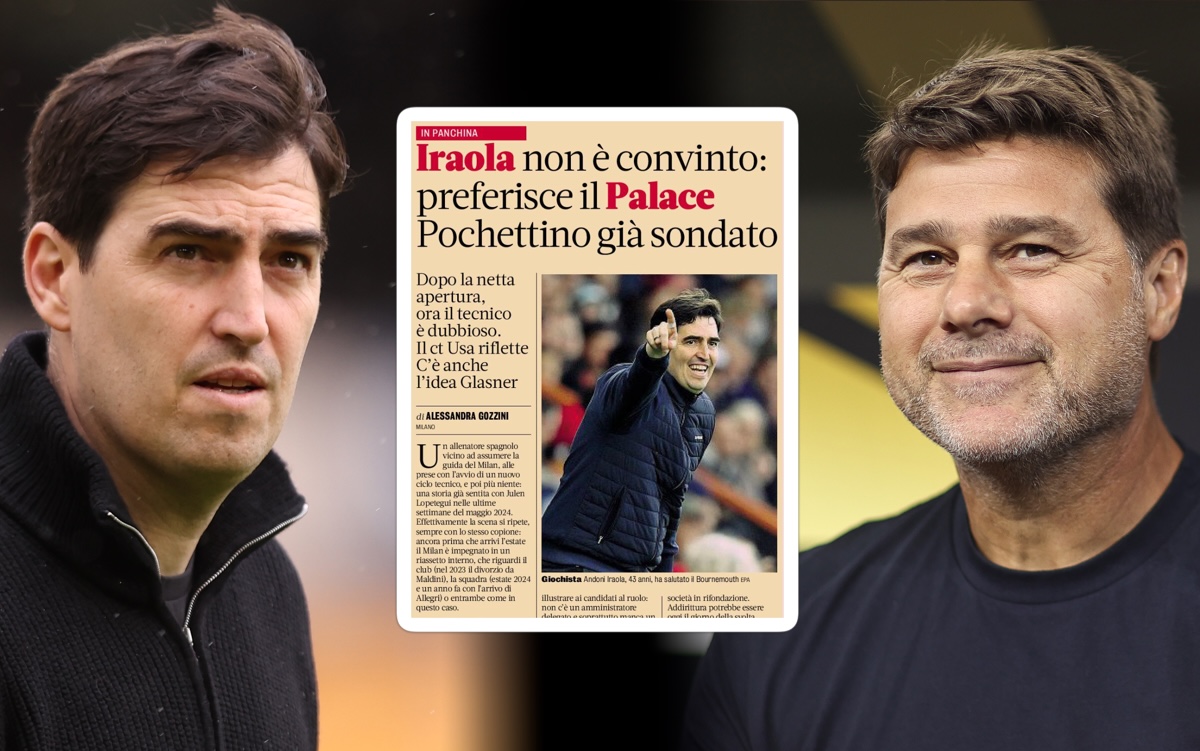
The impending departure creates an immediate void in Milan’s midfield profile. While management has been actively courting new leadership to redefine the bench, the absence of Modric’s veteran guidance in the locker room changes the dynamic. If the club pivot toward a tactical overhaul under potential candidates like Oliver Glasner, the lack of an on-field mentor becomes a glaring technical gap.
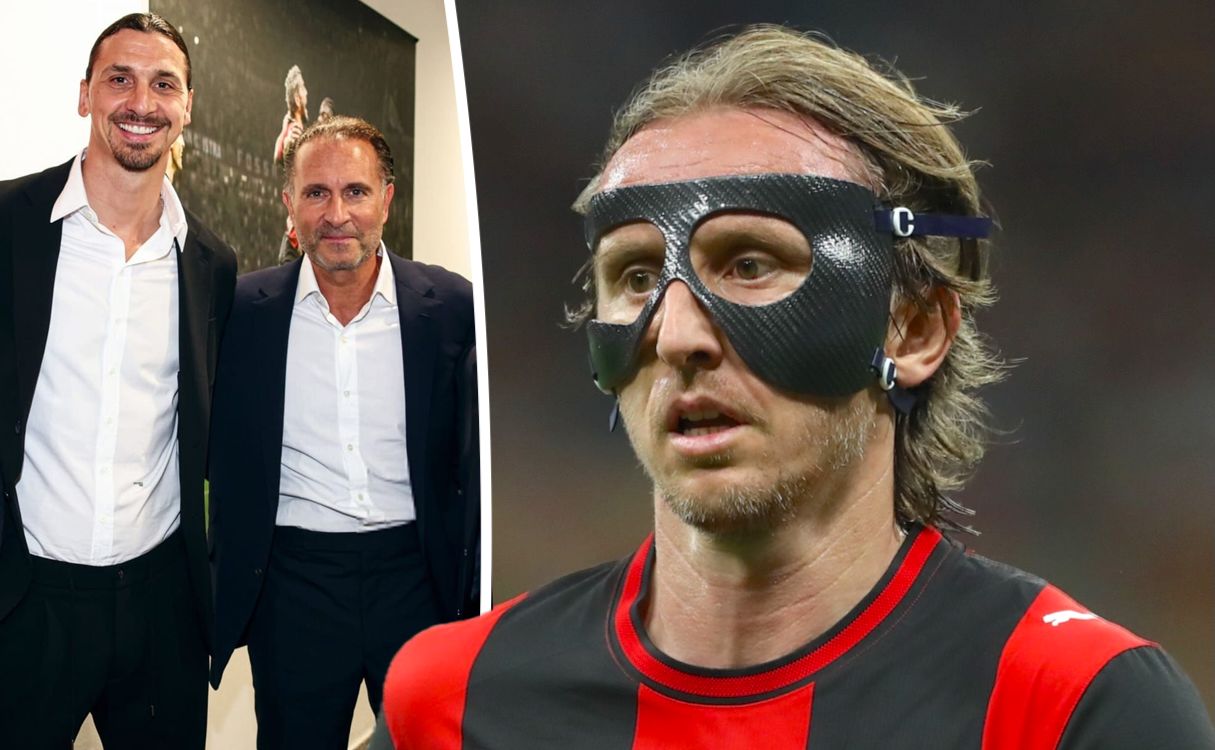
Milan finds themselves in a peculiar state of limbo. Reports indicate that even as the club navigates administrative upheaval involving CEO Giorgio Furlani, the decision on Modric’s status remains one of the few constants in their summer planning. They are effectively preparing for a future that no longer includes one of the most decorated midfielders in modern history.
The broader impact and organizational fallout
The fallout from this transition is not limited to the playing squad. Ralf Rangnick has reportedly begun dictating specific conditions regarding full control over the squad and staff, making the departure of aging stars like Modric part of a broader house-cleaning strategy. When a leader like Modric exits, the recruitment pressure for a ready-made replacement intensifies.
It is worth noting that Milan’s internal volatility remains a major concern. Attempting to overhaul both the managerial position and the core leadership group simultaneously is a high-risk operation. If they fail to secure a high-caliber replacement for Modric’s vision in the middle, the incoming manager—whether it is Glasner or another high-profile name—will struggle to find a stabilizing presence.
The failure to establish a clear succession plan for older talents has been a recurring theme for teams in transition. Relying on an aging veteran until the very last moment leaves zero margin for error when attrition finally dictates their exit. Modric gave the club everything he had, but the lack of a younger, high-ceiling successor ready to take his minutes suggests a short-sighted approach to roster construction.
Historical context and the road ahead
This situation mirrors other high-pressure transitions where marquee names outstay their physical effectiveness. Historical data from similar European clubs shows that when the transition to a younger core is delayed, the eventual drop-off in production often coincides with poor domestic starts in the subsequent season. Milan is betting that they can clear the decks just in time to pivot, but the margin is dangerously thin.
The focus now shifts strictly to administrative confirmation of these retirement plans. If Modric decides to walk away, Milan must move with total clarity to replace his contributions. Anything less than a structured, decisive replacement strategy during the upcoming window could leave the club vulnerable to a stagnant start when the 2026/27 campaign kicks off months from now.