The financial cost of tactical regression
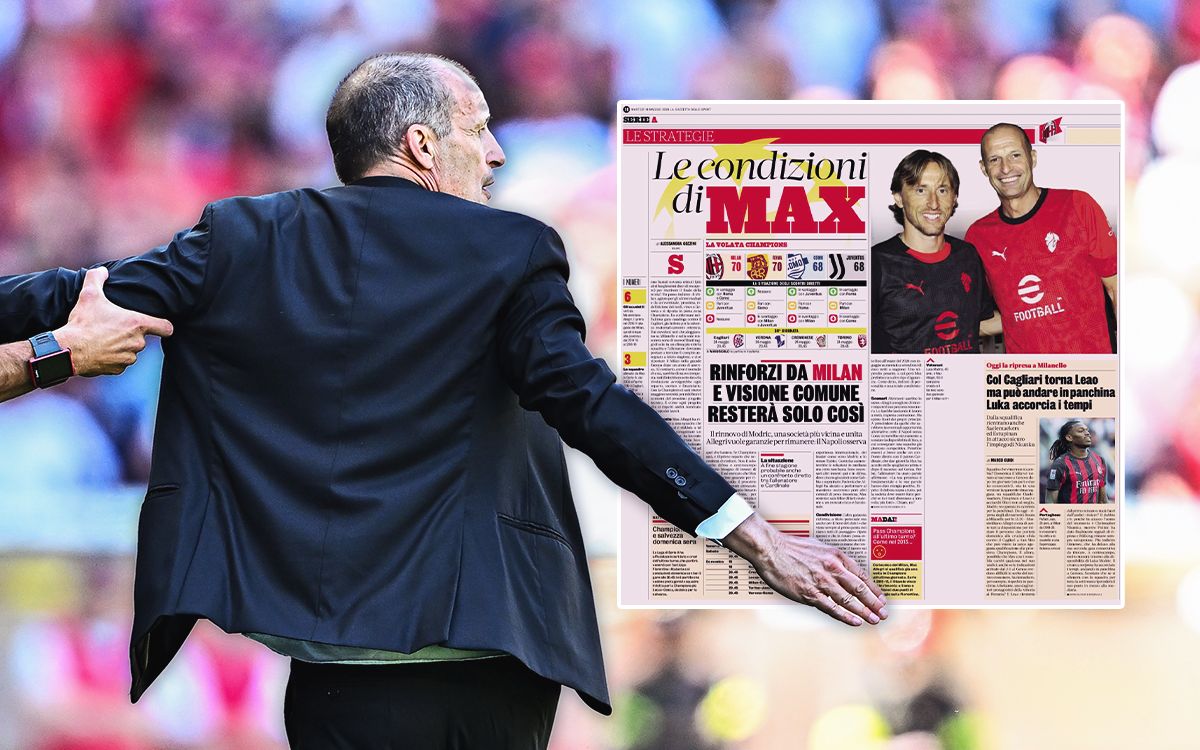
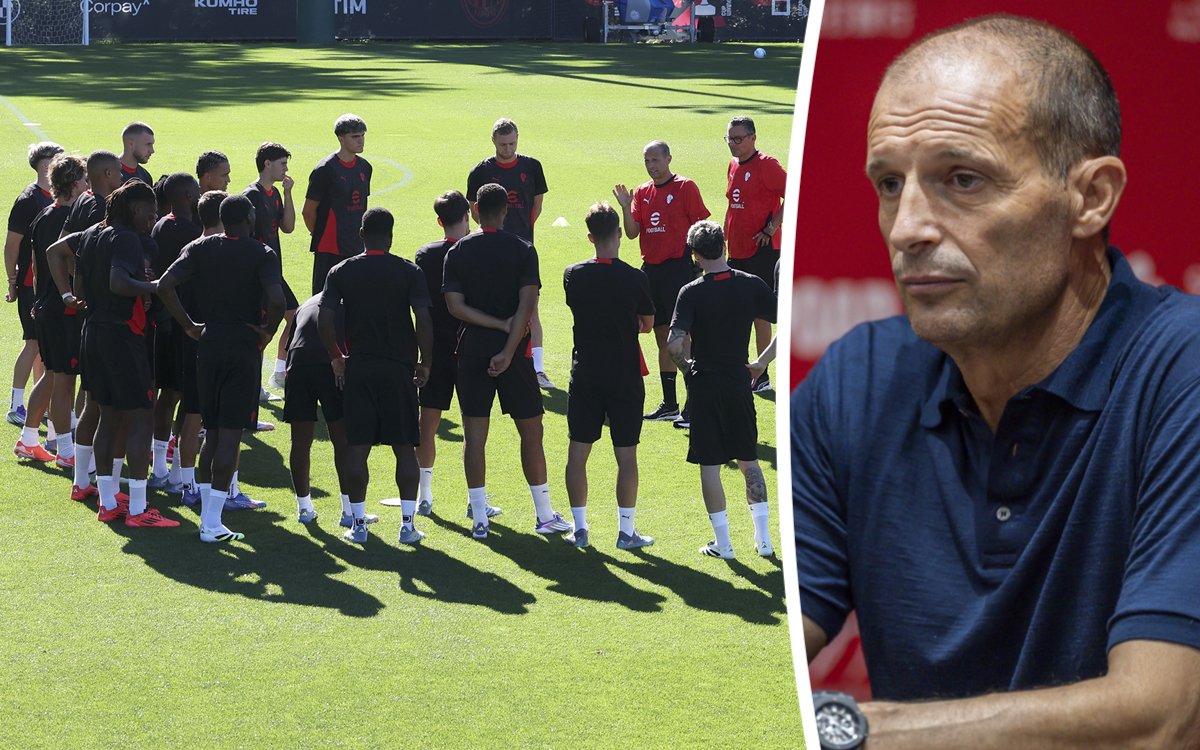
AC Milan’s Champions League qualification hopes didn’t just vanish; they caught fire. The club is currently staring down an estimated €20 million hole in their balance sheet following a series of executive and managerial sackings involving Allegri, Tare, and Furlani. This isn't merely a leadership void; it is a recurring fiscal wound exacerbated by on-pitch output that failed to meet the club's minimum performance demands.
The club's management overhaul follows seasons of inconsistent recruitment and tactical stagnation. When you factor in severance packages combined with the lost revenue from missing elite continental competition, the €20 million figure serves as a sobering indictment of their recruitment trajectory. The board is now paying twice: once for the initial contracts and again to terminate them early.
Pisacane’s tactical blueprint
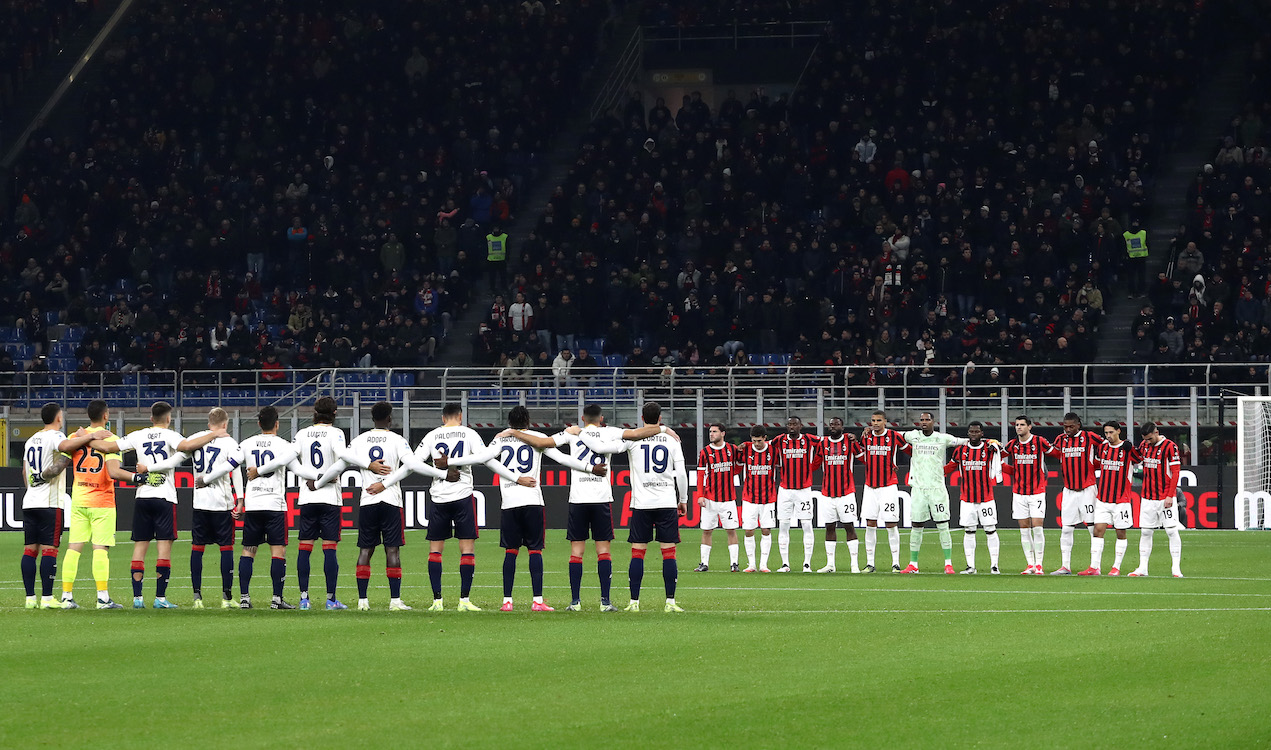
The 1-2 defeat to Cagliari was the final act in this theatre of the absurd. Cagliari’s manager, Fabio Pisacane, identified a structural redundancy in Milan’s buildup phase that exploited their defensive transition to a fault. Milan frequently committed five players high up the pitch, failing to provide adequate cover for their fullbacks.
As detailed in the recent tactical breakdown, Cagliari utilized a mid-block that compressed the central channel effectively. By forcing Milan to funnel play through wide areas, Cagliari increased the volume of intercepted long balls. Milan’s completion rate for central passes dropped by 18% in the final 30 minutes, turning aimless possession into dangerous counter-attacking opportunities for the visitors.
The defensive transition failure
Pisacane’s adjustments focused on isolating Milan’s center-backs in 1v1 scenarios. Throughout the match, Milan’s defensive line remained high, but the holding midfielder failed to provide the necessary screening. This exposed the back four to swift, diagonal balls over the top, proving that the team had no answer to high-intensity transition play.
The xG (Expected Goals) for the game underscored a brutal inefficiency. While Milan dominated ball possession, their quality of shots was low, averaging an xG of just 0.09 per attempt. Conversely, Cagliari’s two goals were the direct result of punishing transitions, capitalizing on Milan’s lack of horizontal coverage between the midfield and the defensive line.
Regression of the core
This match served as a microcosm of the team's broader problems under Allegri. There was a notable absence of off-the-ball movement, leading to a static offensive structure where passing options were limited to lateral, low-risk outlets. Over the last three months, the squad’s distance covered per 90 minutes has dipped by 4.2%, suggesting a lack of fitness or, perhaps more damaging, a loss of belief in the tactical setup.
The financial impact of the Champions League collapse is not just about missing prize money; it forces a defensive posture in the upcoming transfer window. The club is now restricted from competing for high-value targets, effectively locking them into their current personnel. The failure to adapt to Cagliari’s specific pressing triggers was the defining error of the season. At this level, conceding 2 goals from only 4 shots on target is a statistical death sentence, and the club is now paying the price in both points and currency.