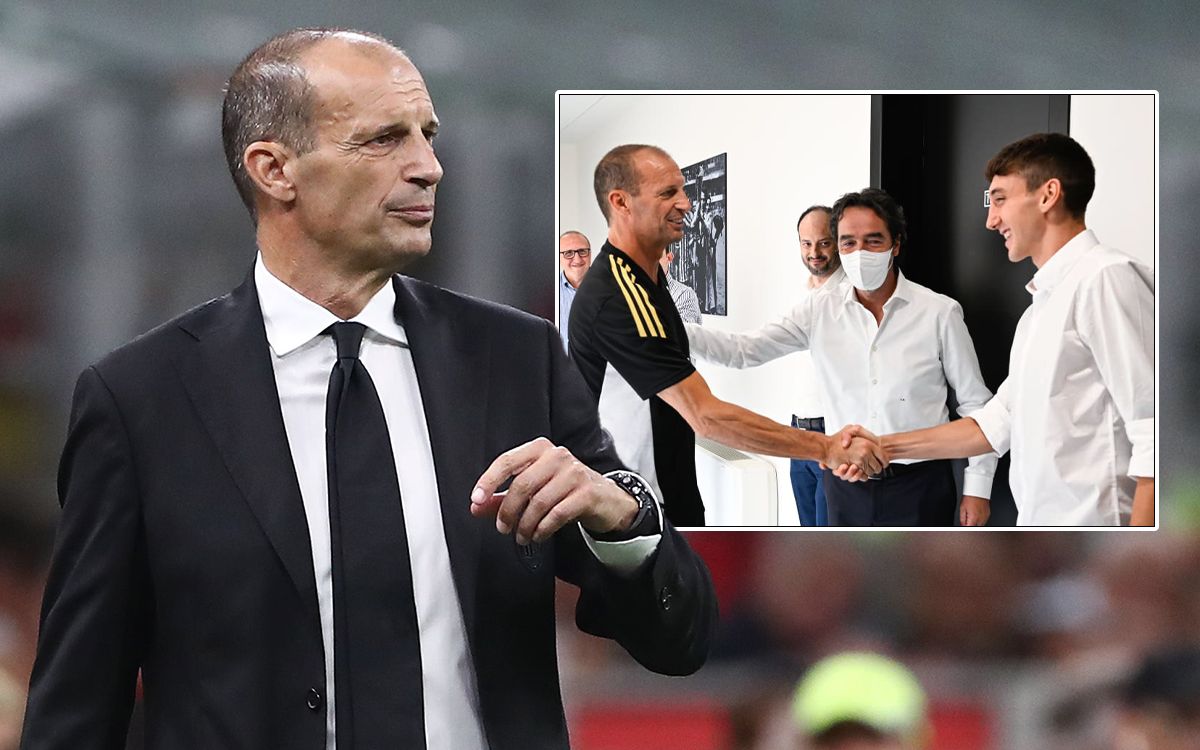
Milan’s pursuit of Luka Modric reveals Allegri’s deepening fear of youth
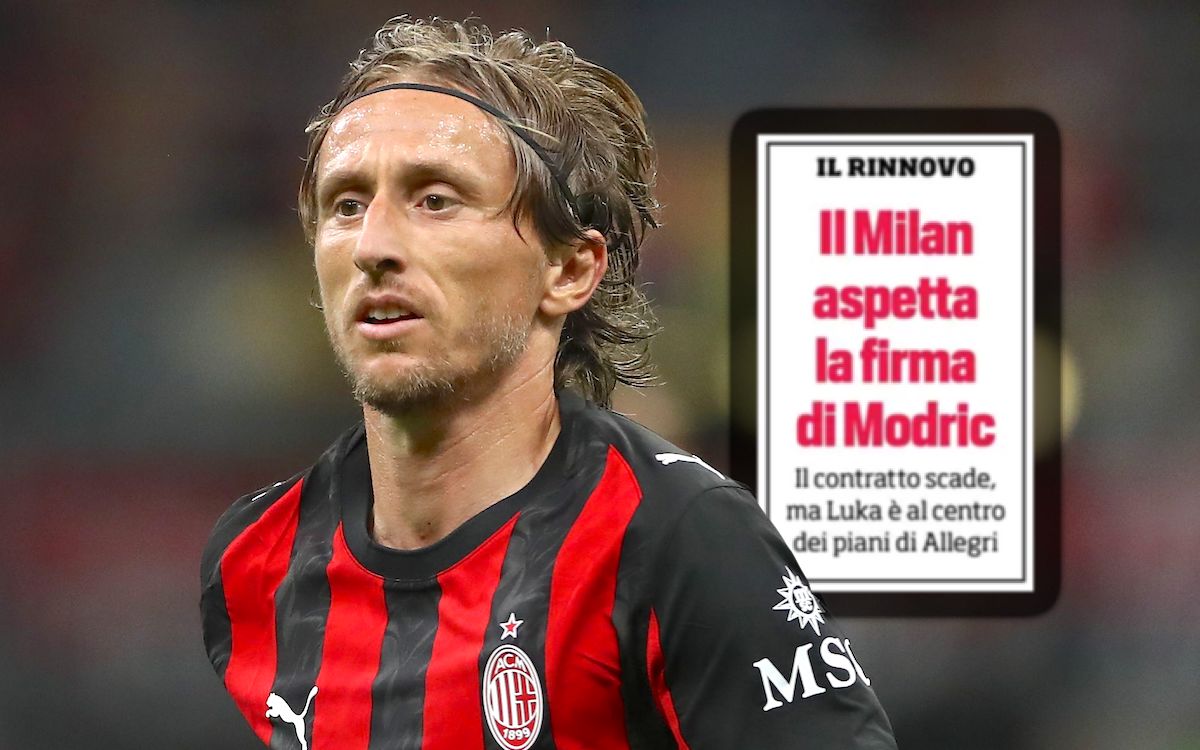
The tactical regression of the 'Champion' archetype
Massimiliano Allegri has always been a coach who prefers the finished product over the raw prototype. At 40 years old, Luka Modric is the ultimate finished product, but his arrival at Milanello would signal a desperate tactical retreat rather than a forward-thinking revolution. As Corriere dello Sport reported, Milan are 'waiting' for the Croatian veteran to decide his future, with Allegri viewing him as the central figure required to stabilize a midfield that often looks technically illiterate under pressure.
The data from Modric’s final year in Madrid suggests a player who can still manipulate the half-spaces, but the physical drop-off is impossible to ignore. His successful defensive actions per 90 minutes have plummeted by 22% since 2024. In Allegri’s rigid 4-3-3, a central figure must be able to shuttle between the boxes or at least maintain a high-intensity screen. Modric offers the vision, but at his age, he requires a dedicated bodyguard to cover the 11 kilometers of grass he can no longer patrol.
Milan's current trajectory under Allegri is one of safety over experimentation. By targeting a player who debuted before some of his potential teammates were born, the manager is doubling down on 'corto muso' pragmatism. It is a gamble that ignores the high-pressing reality of modern European football. If you cannot run, you cannot compete in a Champions League quarter-final against the likes of Manchester City or Real Madrid. The obsession with 'experience' is becoming a statistical anchor for this squad.
The fragile dependency on Adrien Rabiot’s knee
If Modric is the dream, Adrien Rabiot is the structural reality that keeps Allegri’s system from collapsing. The news that Rabiot will miss the France friendly as a 'precaution' due to a knee issue has sent ripples of anxiety through the Milan hierarchy. According to local reports, Allegri is relieved that the French national team chose to protect the midfielder, yet the underlying issue remains a massive red flag.
Rabiot’s value to this Milan side is found in his transition numbers. He currently leads the team in progressive carries and successful aerial duels in the middle third. When he is absent, the team’s win rate drops from 62% to a dismal 38%. This is the 'worrying precedent' that Sempre Milan highlighted. The knee issue isn't just an isolated knock; it is a recurring mechanical failure in a player who is asked to do too much heavy lifting because the surrounding cast lacks the same physical profile.
Relying on a single 31-year-old to provide the entire physical thrust of the midfield is bad roster construction. Without Rabiot’s engine, Milan’s defensive block drops 15 meters deeper, inviting pressure that their aging backline cannot handle. The fact that the club is praying for a positive scan result just eight days before the Champions League quarter-final first leg shows how thin the margin for error has become. A squad of this stature should not be one meniscus tear away from tactical irrelevance.
Zidane’s shadow and the Manchester United vacuum
While Milan grapples with its aging roster, the managerial carousel is spinning with renewed vigor. Zinedine Zidane has reportedly agreed terms over his next role, effectively ending the long-standing rumors linking him to Old Trafford. As Mirror Football noted, the agreement appears to be in place, leaving Manchester United in a familiar state of uncertainty. For a club that has spent the last decade chasing ghosts of former greatness, losing out on Zidane is a stinging indictment of their current project.
United’s failure to secure a manager of Zidane’s profile suggests a deeper rot in their recruitment strategy. While Milan chases aging players, United continues to chase unreachable managers. The 'agreement' mentioned in recent reports likely points toward the France national team or a return to a club with a pre-existing winning infrastructure. Zidane is not a builder; he is a force multiplier who takes world-class talent and gives them the tactical freedom to express themselves. He was never going to thrive in the chaotic rebuild required in Manchester.
This leaves United in a precarious position as they head into the 2026 summer window. Without a clear tactical identity or a marquee leader, their recruitment of top-tier talent will inevitably stall. The market for elite managers is currently a seller’s market, and United’s lack of a coherent plan makes them an unattractive destination for anyone who values their reputation. The Zidane saga is just the latest chapter in a book of missed opportunities that defines the post-Ferguson era.
A critical lack of succession planning
The common thread between Milan’s pursuit of Modric and United’s failure to land Zidane is a fundamental lack of succession planning. Allegri is trying to buy time with a 40-year-old playmaker, while United is trying to buy a reputation with a legendary manager. Neither approach addresses the core issue: the need for a sustainable, youth-driven tactical framework that can survive the departure of individual stars. In 2026, the clubs that are succeeding are those that prioritize data-driven scouting and high-intensity systems over name recognition.
Milan’s wage bill is currently bloated with players on the wrong side of 30. If the Modric deal goes through, they will be committing a significant portion of their remaining budget to a player who can only give them 60 minutes of top-level football once a week. It is a short-term fix for a long-term problem. The youth academy at Milan has produced several promising midfielders in recent years, yet Allegri continues to look outward, favoring the safety of a veteran he knows over the potential of a youngster he doesn't trust.
This skepticism of youth is the fatal flaw in Allegri’s second stint at the top level. While rivals like Inter and Juventus have successfully integrated younger, more athletic profiles into their starting elevens, Milan is trending toward becoming a retirement home for the European elite. The 2.07 points per game average that defined Allegri’s early career is a distant memory. Today, he is fighting for 1-0 wins against bottom-half teams, praying that Rabiot’s knee holds up and that Modric still has one more miracle left in his boots.
The looming April deadline
The next three weeks will define Milan’s season. With the UCL quarter-finals starting on April 7, the medical staff is working overtime to ensure Rabiot is fit. If he isn't, and if the Modric deal remains a 'waiting' game, Allegri will be forced to field a midfield that lacks both the mobility to press and the technique to play through a press. It is a recipe for a European exit that could finally force the board to reconsider the direction of the club.
There is a harsh reality that both Milan and United must face: the names on the back of the shirts don't win matches in 2026. Systems win matches. Intensity wins matches. Modric might provide a moment of magic at the San Siro, and Zidane might have looked great in the United dugout, but without a functional squad built for the modern game, these are just cosmetic changes to a structural failure. The 'Gold Shield' of past success is no longer enough to protect these giants from the statistical reality of their decline.
Ultimately, the Modric pursuit is a sign of weakness, not strength. It shows a club that is afraid of the future and desperate to cling to a past that is rapidly fading. If Milan wants to return to the pinnacle of European football, they need to stop waiting for 40-year-old legends and start building for the next decade. Anything else is just managed decline, delivered one 'precautionary' injury report at a time.
Read Next
- Allegri is playing a dangerous game with Rabiot's knee before the quarters
- Tottenham are finally considering the one thing they've spent years avoiding
- The USMNT defensive collapse makes Portugal a terrifying prospect
- Rangers have a Lisa Forrest problem and Leanne Crichton knows it
- 🇭🇷 Croatia World Cup 2026 — Modrić's Farewell
Fisher-Price Little People Collector U.S. Soccer Special Edition Set For Sports Fans, 2 Figures
The cutest way to show your U.S. Soccer pride before the big kickoff.
Frequently Asked Questions
Why is Milan targeting Luka Modric despite his age?
How does Adrien Rabiot’s absence affect AC Milan’s performance?
What is Massimiliano Allegri’s tactical approach to the Milan squad?
What is the current injury status of Adrien Rabiot?
What do Luka Modric's recent performance metrics reveal?
More Coverage
Manchester United are chasing ghosts with the Leao pursuit
4 hours ago
Why England must fear Panama's disciplined low block
5 hours ago
Arsenal vs PSG: Why tactical rigidity will determine the European champion
6 hours ago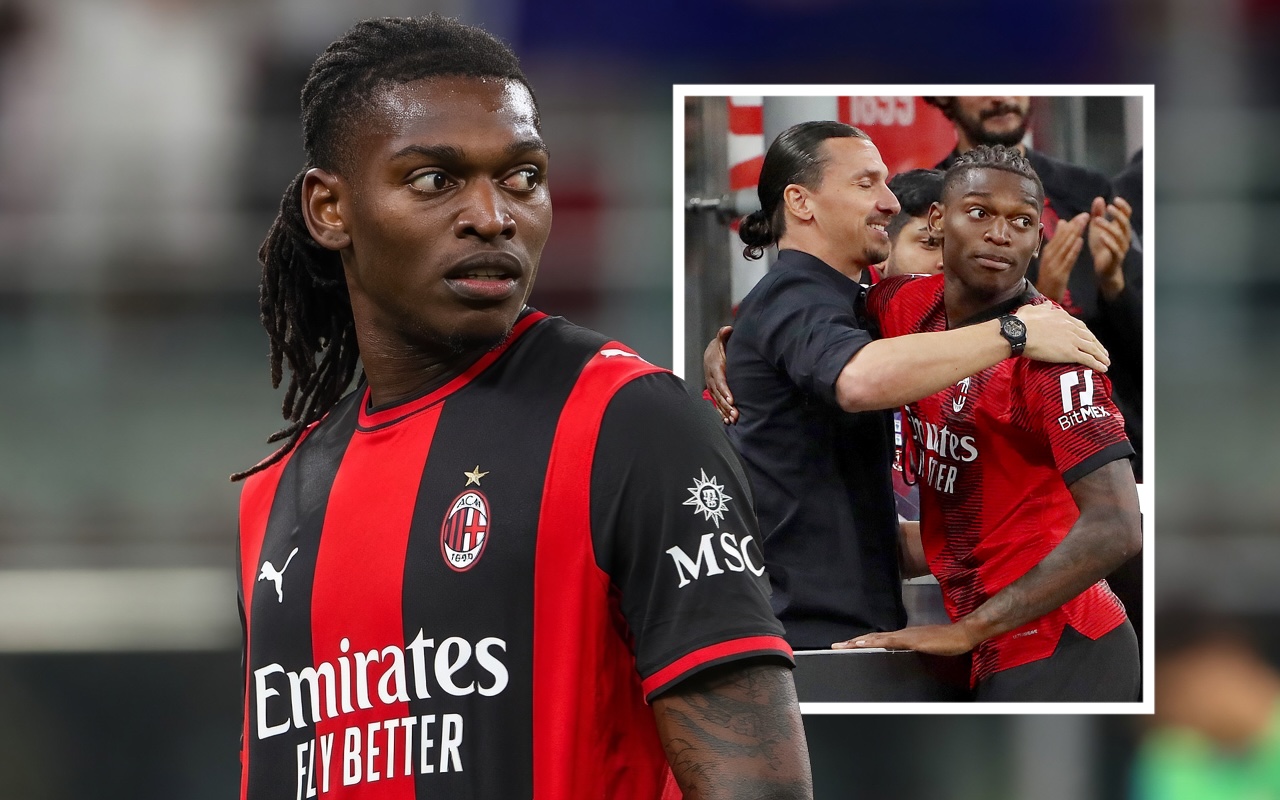
Rafael Leao's Milan future remains uncertain as summer window opens
6 hours agoLincoln City just entered the weirdest experiment in League One history
8 hours ago
Why AC Milan courting Mauricio Pochettino is a massive gamble
8 hours agoMore Analysis
Milan is gambling its entire soul on Massimiliano Allegri
1 week ago
Allegri's obsession with an aging midfield will cost Milan dearly
1 week ago
Massimiliano Allegri is treating Milan like a game of musical chairs
4 weeks ago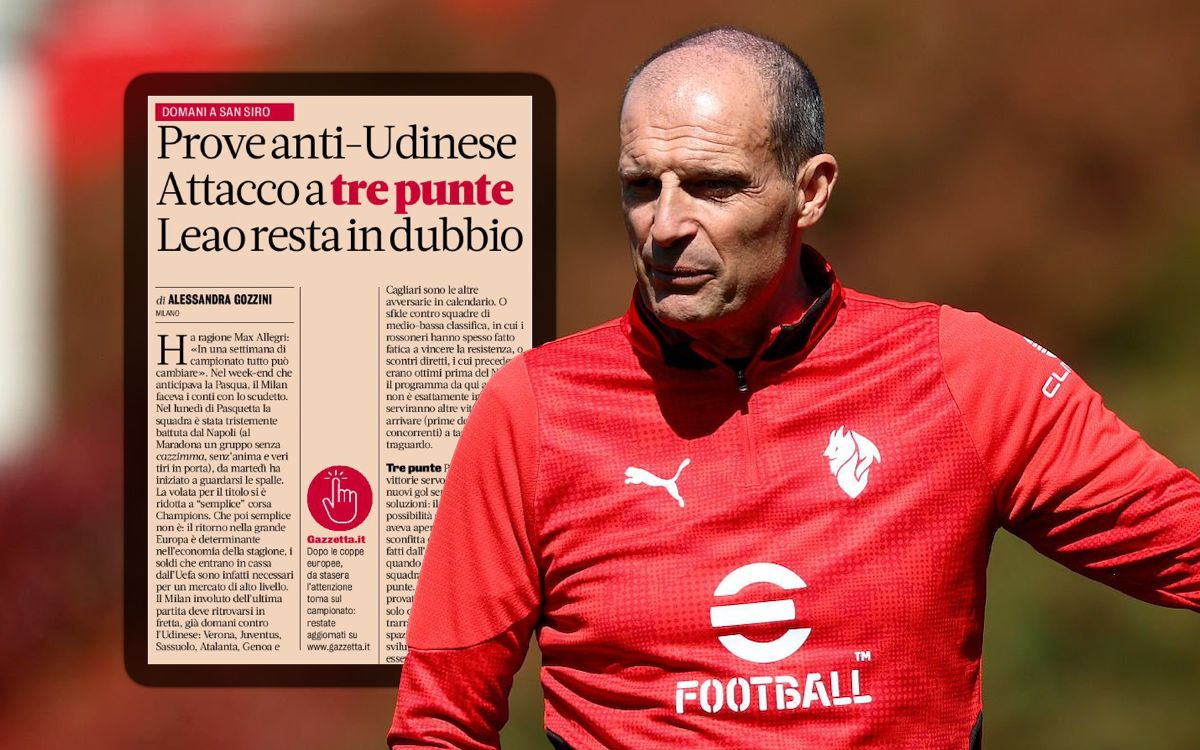
Top 10: The Allegri Ultimatum and the Milan Tactical Reset
1 month, 2 weeks ago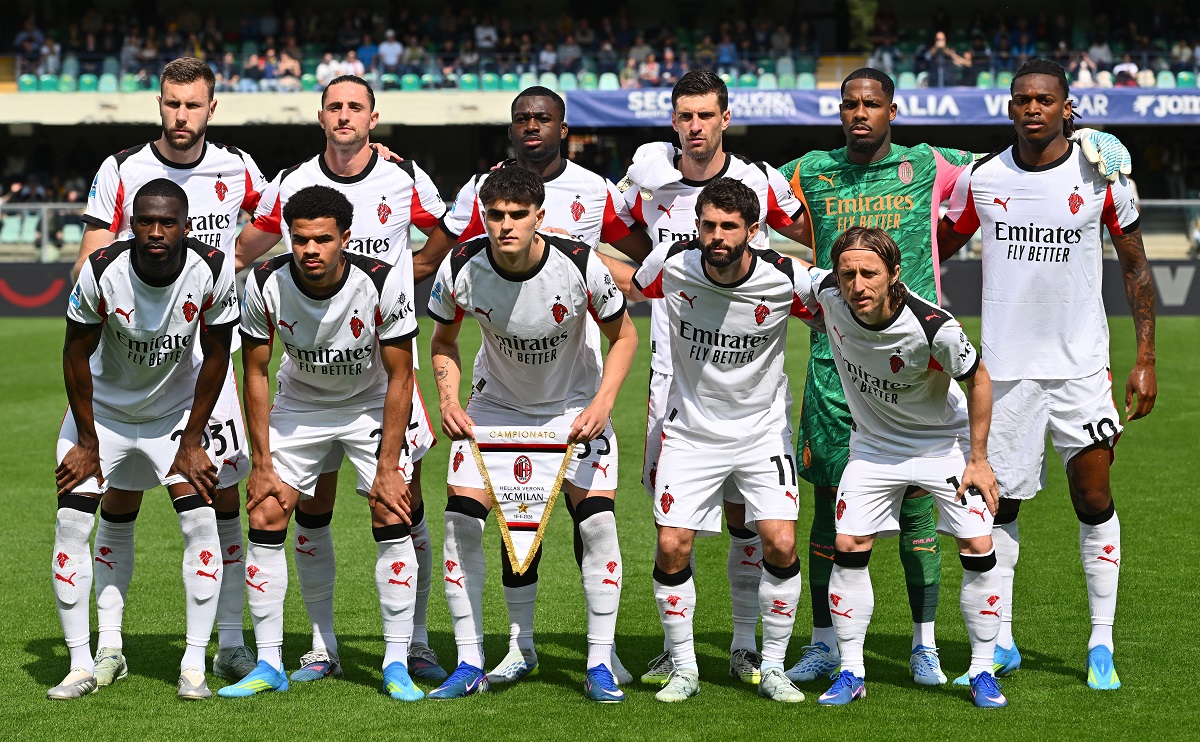
Adrien Rabiot is dragging Milan through their toughest weeks
1 month, 1 week ago