The Source and The Signal
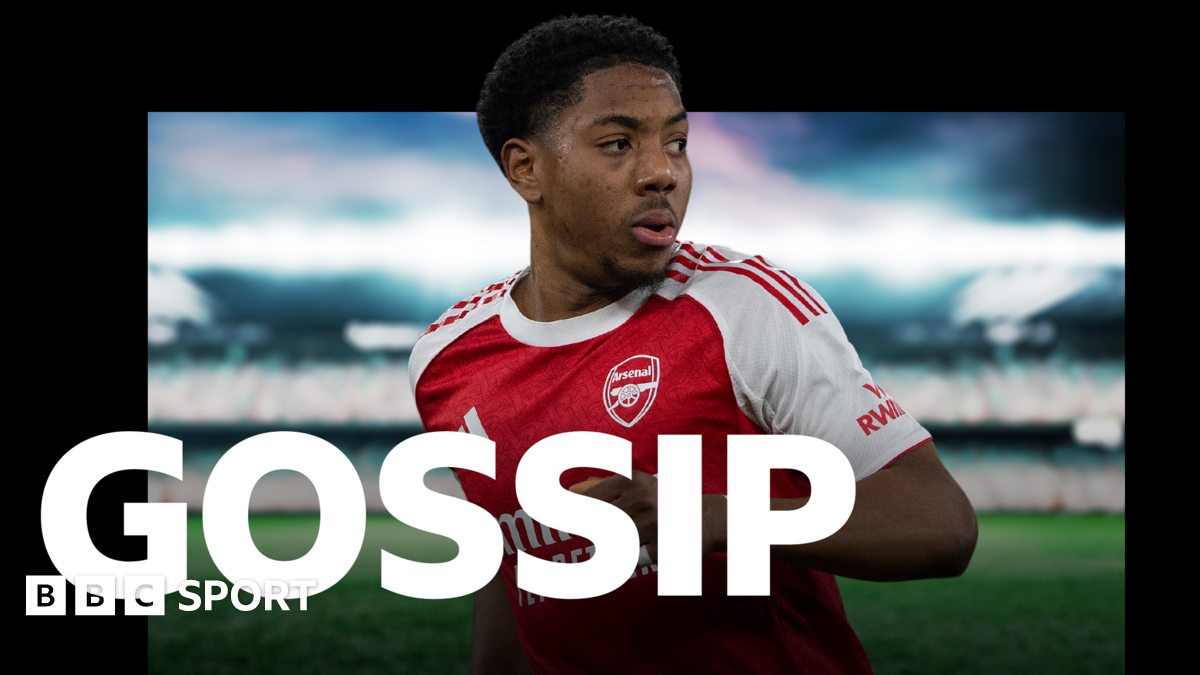
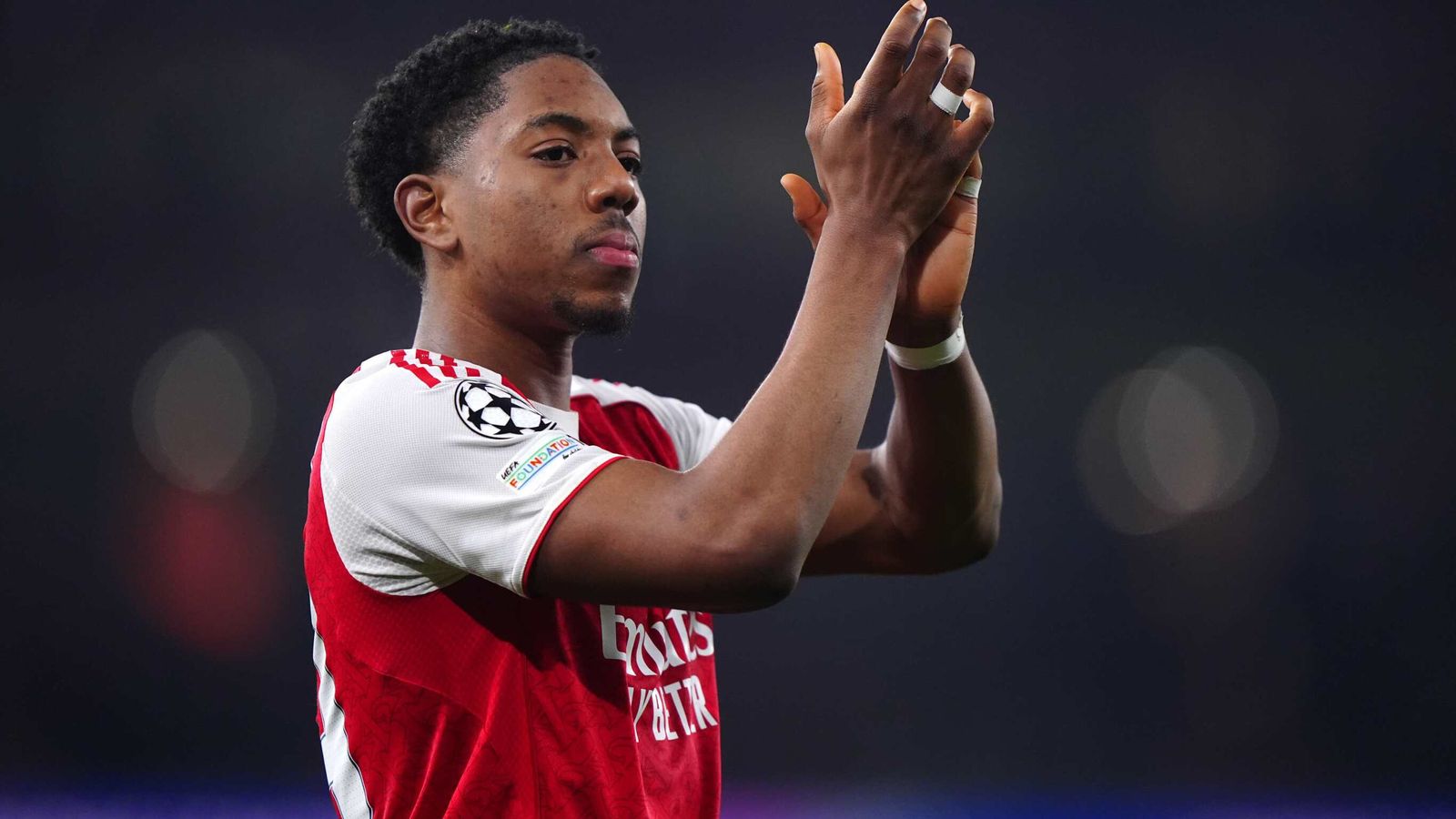
The summer transfer window is already casting a long shadow, and Manchester United are reportedly looking straight at their oldest Premier League rivals. According to a fresh report from Sky Sports, Arsenal's highly-rated teenager Myles Lewis-Skelly is firmly on the radar at Old Trafford. We are treating this as a Tier 2 rumour for now. Sky Sports does not throw names out blindly, but this has the distinct feel of early groundwork rather than an imminent bid.
The timing is fascinating. We are sitting in late March 2026, exactly 12 days away from the first leg of the Champions League quarter-finals. Leaking a target like this right now usually serves a distinct purpose. It could be United signaling intent to their fanbase, or it might be the player's camp applying pressure on Arsenal for more guaranteed minutes.
Whatever the origin, the interest makes perfect sense on paper. United's recruitment strategy has aggressively pivoted toward securing elite domestic talent before they hit their absolute peak valuation.
Taking a player directly from Arsenal, however, is an entirely different proposition. The days of the Robin van Persie fire sale are long gone. Mikel Arteta's side is a final destination for elite players. Prising a top prospect away from London requires massive financial commitments and guarantees of playing time that United must carefully weigh.
Player Profile: The Hale End Hybrid
If you have not watched Lewis-Skelly closely, you are missing one of the most intriguing developmental profiles in English football. He is not a traditional touchline-hugging full-back, nor is he a standard holding midfielder. He is a hybrid. Arsenal have actively molded him in the image of an inverted left-back who can comfortably dictate play from the center of the pitch.
His close control under intense pressure is exceptional. He constantly invites the press, using subtle body feints to open up passing lanes. But let us be clear about his flaws. He can occasionally get caught completely out of position during rapid defensive transitions.
His recovery pace is adequate, but his spatial awareness when defending the wide channel against elite wingers still needs serious refinement. In a recent under-21 fixture, he was repeatedly beaten on the outside by raw pace.
That is the inherent risk you take with youth. You are buying the ceiling, not just the current floor. His ability to break lines with a single, progressive pass is exactly what has United's scouting department on high alert. He processes the game faster than his peers. In a Premier League environment that punishes hesitation, players with his technical profile are incredibly rare.
The Tactical Fit at Old Trafford
Look directly at Manchester United's current squad. They have desperately needed a player who can bring calm to chaos. The midfield has too often resembled a basketball game—end-to-end, lacking genuine control, and deeply vulnerable to high pressing schemes.
Integrating a player like Lewis-Skelly offers a tactical cheat code. He allows a manager to fluidly shift from a back four out of possession to a 3-box-3 in possession. United have tried to implement this system repeatedly over the last two seasons with highly mixed results. They need technical security on the left side.
Luke Shaw's persistent availability issues have forced endless compromises at left-back. Lewis-Skelly would offer a long-term solution that perfectly fits the modern tactical demands of the division. Imagine him operating alongside Kobbie Mainoo. That is a youthful duo that could theoretically control the tempo of matches for years.
However, forcing an Arsenal academy product into a volatile United system is a massive gamble. The pressure in Manchester is suffocating. If he struggles early, the media narrative will be completely ruthless. He will not get the quiet developmental runway he currently enjoys at Hale End.
The Arsenal Perspective: A Fortress Mentality
Why would Arsenal even pick up the phone? The blunt answer is they probably will not. Arteta has built a fortress at the Emirates, and keeping elite academy talent is a core tenet of his project. But the player's perspective is where this gets highly complicated.
Lewis-Skelly is competing for minutes in a squad that is built to win the Champions League right now. Development minutes are extremely scarce when you are fighting for major trophies every single week. Arsenal's depth means even highly touted prospects can find themselves stuck on the bench for months.
If United can guarantee immediate, meaningful first-team action, the temptation becomes incredibly real. We have seen this exact scenario play out with other young English talent recently. Arsenal hold all the power here. They will not sell cheap, and they certainly do not want to strengthen a direct rival.
It would take a monumental push from the player, up to and including a formal transfer request, to force a move. Right now, there is zero indication he is willing to detonate his relationship with his boyhood club.
The Cole Palmer Blueprint
We cannot discuss this rumour without mentioning the Cole Palmer effect. Young players are watching what happened when Palmer left Manchester City for Chelsea. He traded guaranteed trophies for guaranteed minutes, and it catapulted him into the England setup.
Lewis-Skelly might be looking at that exact blueprint. Staying at a dominant club is comfortable, but playing 35 league games a season is how you become a star. United are essentially pitching themselves as the perfect platform for that breakout.
The counter-argument is that United is currently a graveyard for young talent. For every Alejandro Garnacho who breaks through, there are three highly-rated prospects who stall out under the weight of expectations. Arsenal provides stability; United provides opportunity wrapped in chaos.
The player's representatives will be weighing these factors heavily. Do you trust Arteta's slow integration, or do you bet on yourself in the pressure cooker of Old Trafford? That decision will ultimately dictate whether this rumour turns into a formal bid.
The Financial Reality and Market Constraints
The Sky Sports report stops short of naming a price. Valuing an academy prospect with limited senior minutes is an inexact science. But we can make an educated guess based on recent market trends.
Given the premium placed on homegrown players and the fact that this is a transfer between the Big Six, you are looking at a base fee of at least £35m. Add in performance-related clauses, and the total package could easily hit £50m.
Are United willing to commit that kind of capital to a teenager when they have glaring holes elsewhere in the squad? Profitability and Sustainability Rules restrict how much cash they can splash without offloading high earners first.
Wages would also be a massive bump for the player. He would likely jump from an academy-level contract into the £70k-a-week bracket immediately. United have been trying to clean up their wage bill. Overpaying for potential has burned them countless times. They must remain incredibly disciplined here to avoid repeating past mistakes.
Historical Context: The Rivalry Tax
Transfers between Arsenal and Manchester United are rarely straightforward. They are heavily laden with emotion, history, and a massive rivalry tax. You have to go back to the Alexis Sanchez and Henrikh Mkhitaryan swap deal to find a high-profile transaction between the clubs, and that was a disaster for everyone involved.
Before that, Robin van Persie shifted the balance of power in the Premier League. Arsenal learned a brutal lesson that summer. They swore off selling prime assets to Manchester United.
While Lewis-Skelly is not a finished product like Van Persie, the optics of selling a top academy graduate to United would be awful for the Arsenal board. The fan backlash would be instant and severe.
United know this, which is why they will likely have to pay a massive premium over his actual market value just to get Arsenal to the negotiating table. This deal makes sense in a vacuum, but football is never played in a vacuum.
Probability and Expected Timeline
Let us be completely realistic. The chances of this deal actually crossing the finish line are exceptionally slim. I am putting the probability at about 15 percent. This feels much more like early maneuvering than a deal on the verge of completion.
If anything materializes, do not expect any movement until mid-June. Arsenal are completely focused on the title race and the upcoming Champions League fixtures. They will not entertain distractions right now.
United are likely planting the seed early. With the 2026 World Cup kicking off on June 11, the broader European transfer market is expected to experience a massive slowdown. Getting preliminary talks started before the tournament freeze is simply smart business.
If Arsenal secure a major trophy, keeping their young stars becomes infinitely easier. For now, this remains a compelling subplot in an already chaotic season. We will keep tracking the noise, but do not expect a dramatic conclusion anytime soon.
Read Next
- Jamie Carragher is burning down the Premier League and I am here for it
- Manchester United's rebuild is starting upstairs, but Bruno still runs the pitch
- Arsenal's Season on the Brink After Ødegaard Injury Confirmed
- UCL quarter-final predictions: Calling every second leg and the route to May 28
- ⭐ UCL 2026 — Champions League Quarter-Finals Hub