United shift focus to Arsenal prospects after transfer setbacks
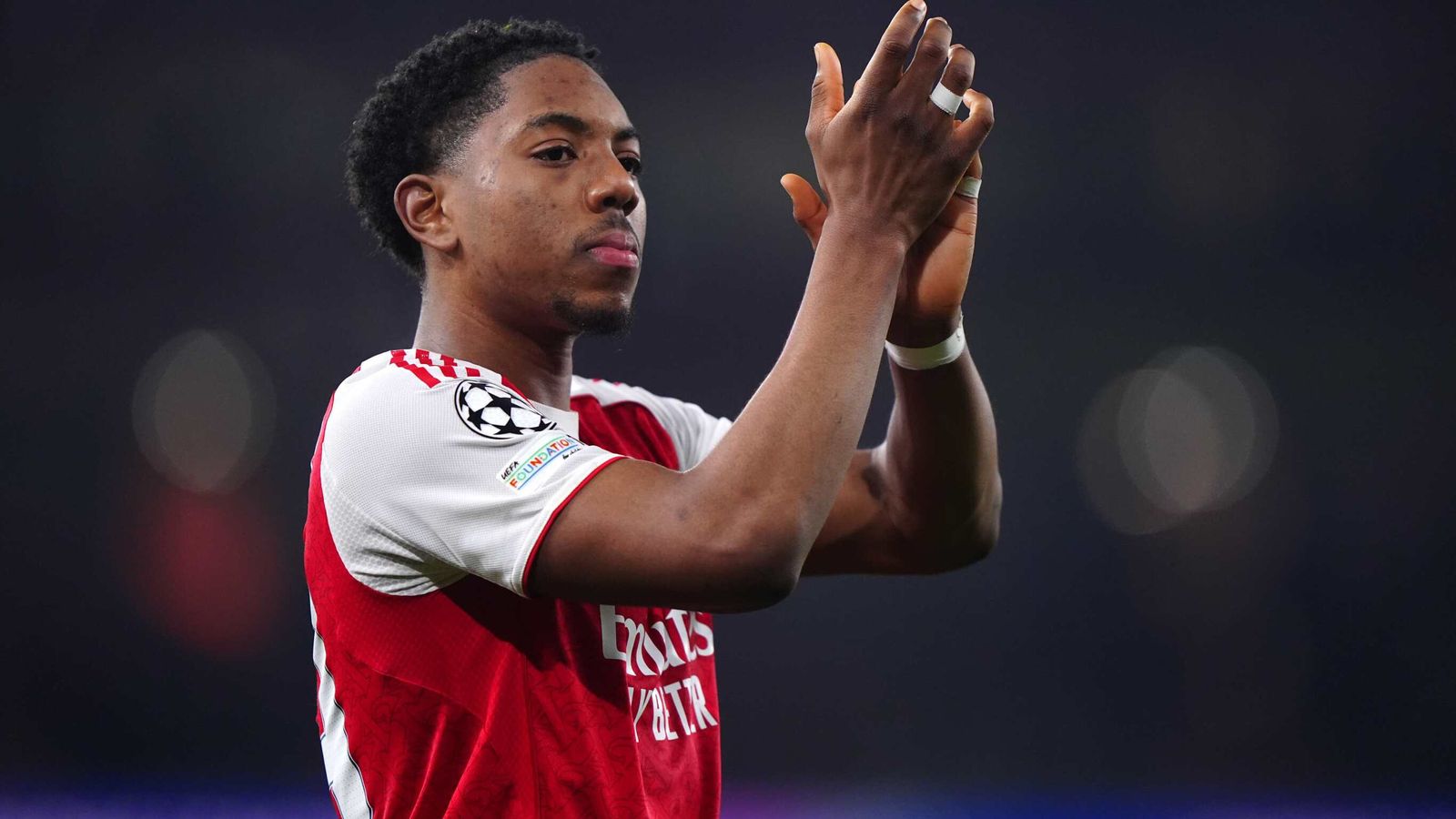
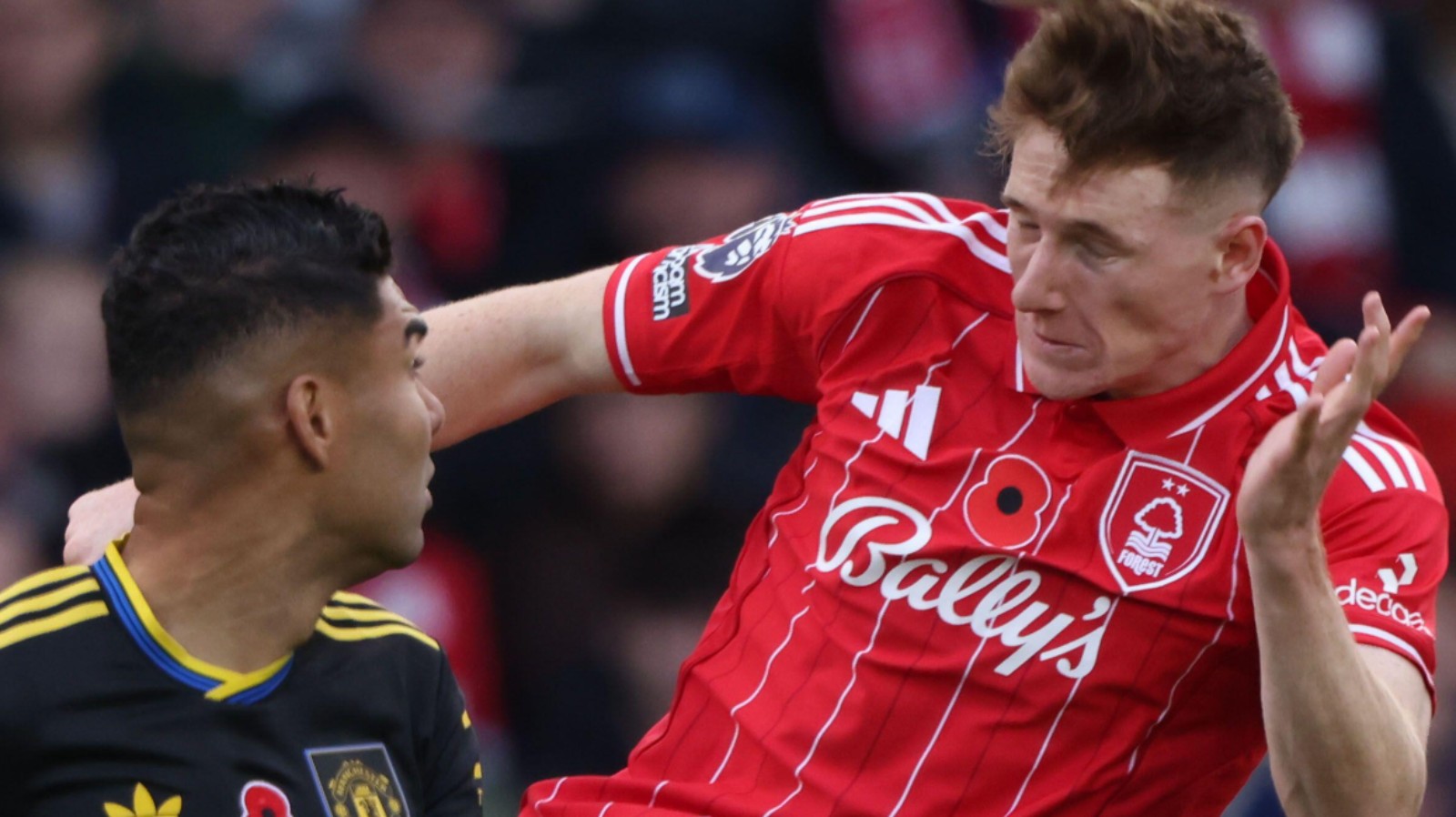
Manchester United are pivoting their recruitment strategy toward talent acquisition within the Premier League’s top youth ranks. After failing to secure primary midfield targets, the club has identified Arsenal duo Ethan Nwaneri and Myles Lewis-Skelly as priority summer moves. The interest, surfacing as recent reports confirm, signals a desperation to patch a leaking engine room that has underperformed throughout the 2026 campaign.
This interest comes on the heels of a public rejection in pursuit of Newcastle’s Elliot Anderson. United had earmarked him as a midfield solution, but the failure to finalize a deal for the £65m valuation has left Old Trafford scouts scrambling. The club is now forced to view internal Premier League options—often more expensive due to homegrown premiums—as their primary alternatives.
The cost of raiding a domestic rival
Arsenal are not interested in subsidizing their competitors' growth. Sources close to the Emirates indicate a steep asking price for both youngsters as they look to secure their long-term futures. Mikel Arteta is navigating a complex summer, balancing contract extensions while deciding whether to loan out talents like Nwaneri or integrate them fully into the first-team rotation, as noted by recent BBC analysis.
The financial barrier here is significant. While United may fancy their chances of convincing players of a faster path to first-team minutes at Old Trafford, Arsenal’s leverage is immense. If the deals proceed, the financial outlay could easily eclipse the funds originally set aside for the frustrated Anderson pursuit. It is an aggressive gamble on potential rather than established Premier League production.
Tactical fit and the reality of the move
Tactically, United lack depth in progressive central midfield. Nwaneri provides the creative spark they currently miss when Bruno Fernandes is stifled, while Lewis-Skelly offers the ball-carrying mobility required to bridge the defensive line and the attack. Both players fit the profile of technically refined midfielders who thrive under high-pressing systems.
However, the skepticism remains valid. Bringing in two teenagers to fix a midfield that has struggled against top-six opposition requires patience that the Old Trafford fanbase rarely affords. Adding them to a roster that already struggles with tactical cohesion could hinder their development rather than accelerate it. There is a clear risk of these individuals becoming the next in a long line of expensive bench-warmers.
Probability assessment and timeline
The probability of this transfer reaching a conclusion before the June kickoff of the 2026 World Cup is currently low. While internal discussions at Manchester United are active, Arsenal holds the cards regarding contract duration and player development schedules. Arteta’s own contractual situation with the Gunners adds another layer of procedural delay.
With the 18 days remaining until the Champions League semi-final legs, the club’s board is likely focusing on immediate morale before initiating formal contact for summer targets. Expect a stalemate throughout May as the financial parameters are negotiated. If United cannot meet the valuations set, they may well retreat to the free-agent market, where alternative 'transfer masterstrokes' are being floated as a cheaper, if less glamorous, failsafe to the high-cost youth approach.
The impact of such a signing would be dual-faceted. In the short term, it provides a much-needed injection of pace and technical quality to a stagnant transition phase. In the long term, it creates a pipeline of homegrown talent that aligns with wider ownership goals to reduce the dependency on inflated transfer fees for aging international stars.
Read Next