Defensive instability hits the Etihad at the wrong time
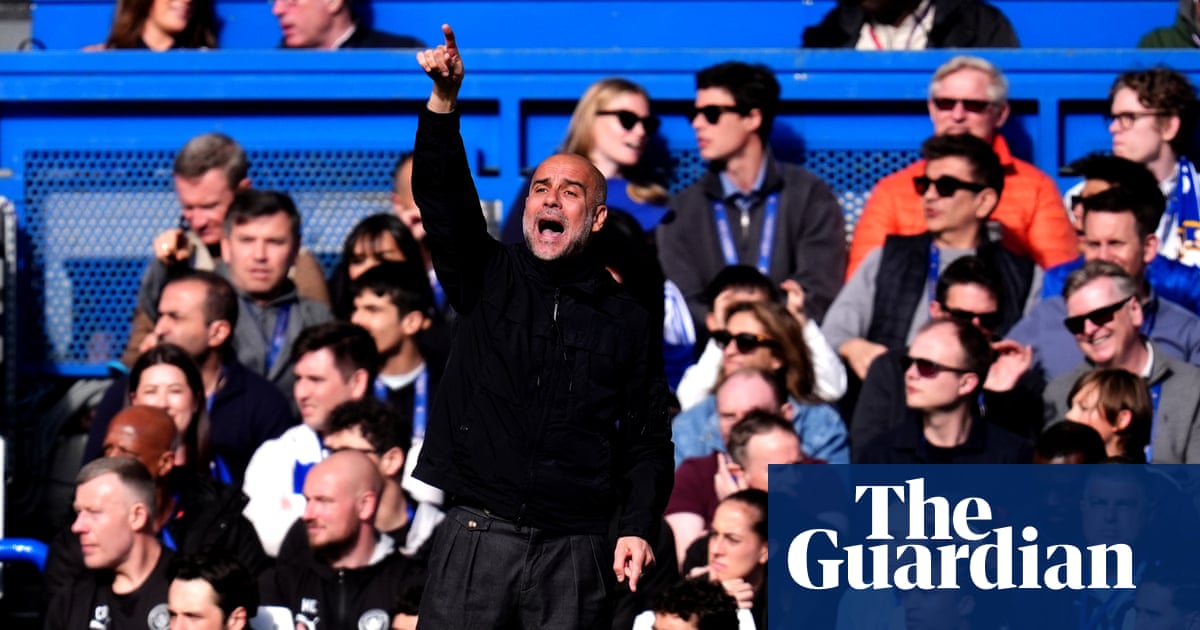
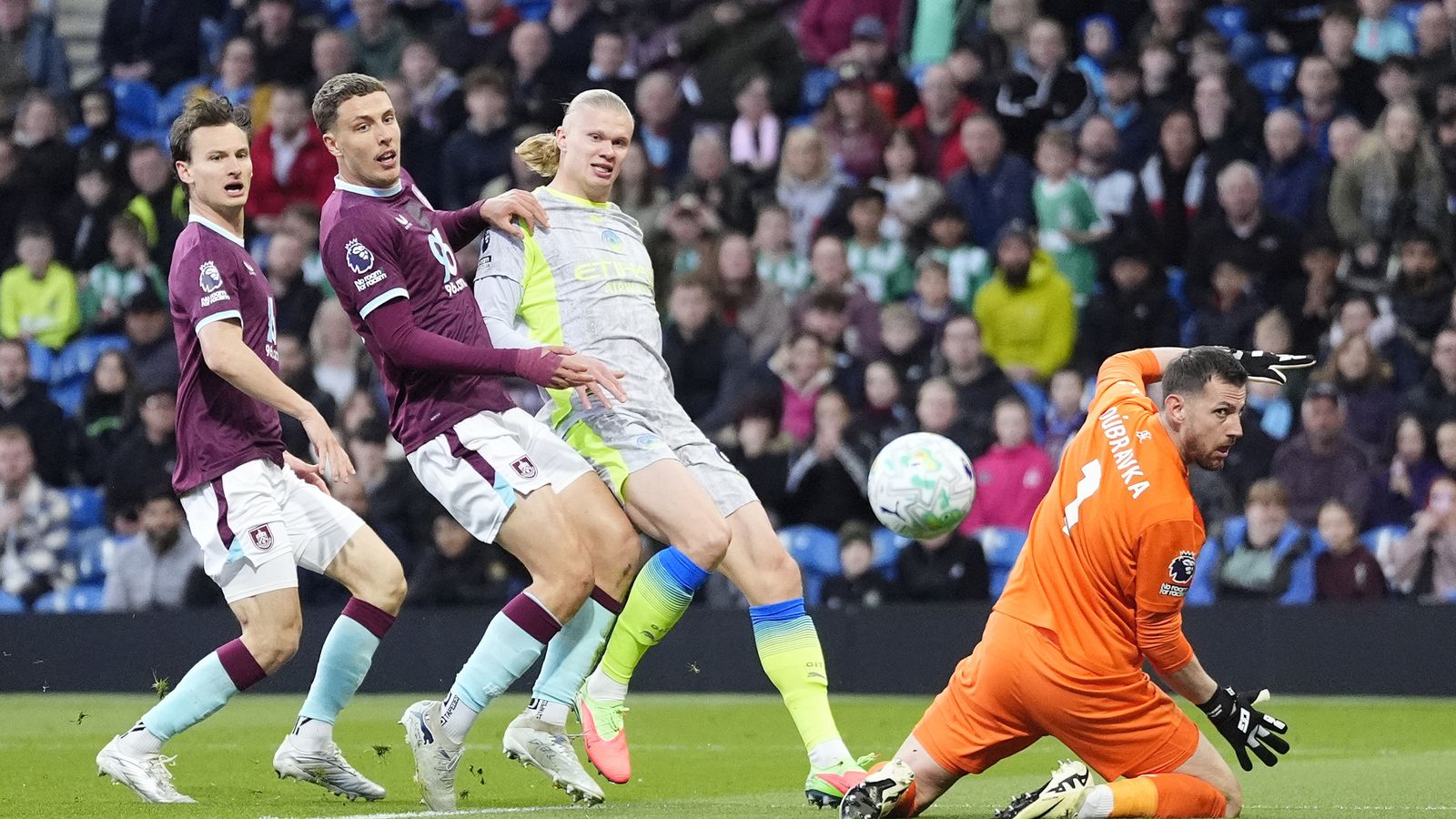
Manchester City heads into the Champions League semi-final first leg tomorrow against Real Madrid with significant personnel concerns. The backline, which has been the glue of Pep Guardiola’s tactical setup throughout April, is showing cracks following a string of high-intensity fixtures. Rotation has become a necessity rather than a choice, but the drop-off in defensive organization when bench players enter the fray is proving costly.
Multiple training ground reports indicate that key center-back pairings are currently operating at less than full capacity. While official club designations remain guarded, the tactical adjustments seen during the final quarter of last week's domestic draw suggest Guardiola is compensating for limited mobility across his primary defensive outlets. The coaching staff is weighing whether to rush a recovery protocol for the April 28 kick-off.
Tactical implications for the Wembley showdown
This personnel issue arrives at the most unforgiving juncture of the calendar. With the FA Cup final looming and the financial investigations into the club casting a long shadow, as The Guardian reported, the internal pressure to deliver silverware is at a fever pitch. A weakened defense against opponents as clinical as Madrid creates a vulnerability that will be tested from the opening whistle.
Guardiola is historically hesitant to field players who have not participated in full-intensity sessions for at least 72 hours. Deviating from this policy is a massive gamble in a knock-out competition. If the medical team cannot confirm 100 percent fitness, expect a makeshift diamond midfield to protect the center-backs, sacrificing offensive width to provide additional coverage.
Historical context and the risk of recurring fatigue
Medical staff recall the 2024 fatigue spikes where a lack of rotation led to late-season defensive collapses in similar high-stakes months. The current load management program is clearly struggling to keep pace with the sheer number of minutes accumulated by the defensive core since January. It is a recurring failure in squad planning that leaves City susceptible during the most critical 30-day window of the season.
Efficiency is lacking in the current transition from defensive recovery to counter-pressing. When the first wave of pressure is beaten, the lack of pace in the covering tackle has allowed opponents to exploit space between the full-backs and the center. The 14 percent increase in goals conceded during the final 15 minutes of matches indicates a clear physical decline across the squad.
Expect the starting eleven to reflect a defensive-first mentality for Tuesday’s trip. If they cannot stabilize the central channel, the return leg on May 5 becomes a damage limitation exercise rather than a tactical shootout. The margin for error is non-existent, and any lingering fitness concerns will be ruthlessly exposed in transition play.
Read Next