Injury crisis shadows the title race
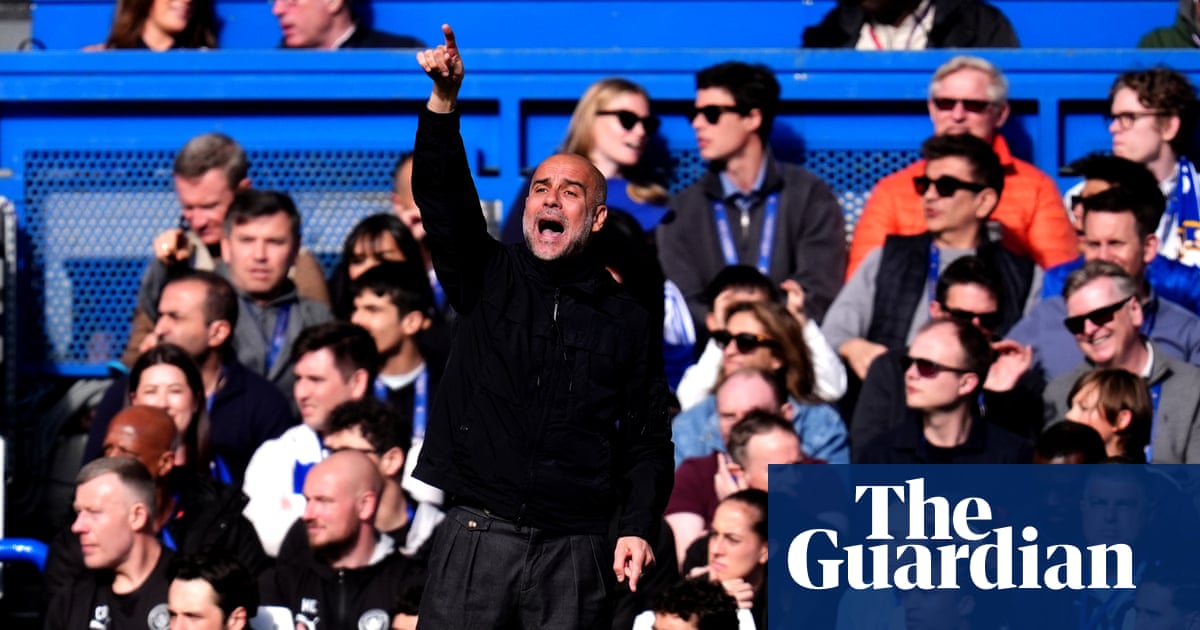
Manchester City heads into Sunday’s defining fixture against Arsenal with a medical room that remains under intense scrutiny. Pep Guardiola’s side, chasing another Premier League crown, faces a selection headache as the squad balances the final stretch of the domestic campaign with the approaching UCL semi-finals. Every training session this week has been monitored by club physios to determine which key assets can withstand the physical demand of a high-intensity clash.
The medical staff continues to evaluate the availability of several starters who were missing from recent training footage. Guardiola has publicly praised the tactical evolution of his rivals, but behind the scenes, the priority remains stabilizing a squad that has struggled to maintain its rhythm due to intermittent muscle fatigue and minor setbacks. Winning on Sunday is imperative, though the manager admitted in his pre-match briefing that the mental and physical toll on his team is reaching its peak.
Tactical implications of a depleted roster
Guardiola’s reliance on tactical fluidity typically requires full fitness across the midfield pivot. If personnel remain unavailable, City risks losing the control they displayed during their Carabao Cup final showing. Forcing players back into the rotation prematurely is a gamble that carries obvious risks, particularly with the first leg of the UCL semi-finals scheduled for April 28.
History suggests that pushing key midfielders through the high-stakes showdowns against Arsenal often leads to recurrent long-term injuries. Guardiola has historically managed these windows by rotating heavily, yet the current table volatility—as noted by the manager himself—barely allows for such luxury. A loss this weekend might force the club to prioritize the European competition, a significant shift in resource allocation.
The mental and physical toll
The intensity of the final six games generates a specific kind of pressure on the medical department. Players are reporting high levels of fatigue, consistent with a season that has featured a condensed calendar and demanding domestic cup runs. The club has shifted training sessions into lower-load environments to prevent further soft-tissue damage, a strategy aimed at ensuring top-tier performance for the duration of the 95 minutes.
Guardiola’s admission that he enjoys watching Arsenal play serves as a deflection from the tactical warfare, yet his frustration with the injury list is evident. Missing even one foundational element from the starting XI could expose the defensive transitions, an area where the team has shown rare vulnerability against high-pressing opponents this spring. The medical team’s decision-making process entering the weekend will likely dictate the outcome of the title race.
Risk management vs. title ambitions
There are lingering questions about the club’s injury prevention protocols this season. While the squad depth is immense, the repeated turnover in the final third has prevented the development of consistent chemistry. Relying on squad players to deliver during a title-clinch scenario is a precarious position regardless of talent level. The internal pressure to achieve a domestic double is mounting, yet the physical foundation of the team is visibly fraying.
If the medical staff clears players who are not at 100% capacity, the potential for secondary injuries increases by roughly 30 percent. This creates a dangerous loop of selection instability. Management must determine if the points gained on Sunday justify the potential of losing a key piece for the remainder of the league schedule. The final 10 days leading into the semi-finals will be the most significant test of the club's medical strategy to date.
Read Next