The summer reset at Old Trafford
Sir Jim Ratcliffe is preparing for a pivotal transfer window at Manchester United. With the end of the season approaching, sources indicate the club is aggressively clearing space on the wage bill to facilitate a marquee move. The board has identified primary targets to restructure the spine of the side, with internal reports suggesting a potential £100 million investment strategy is being finalized.
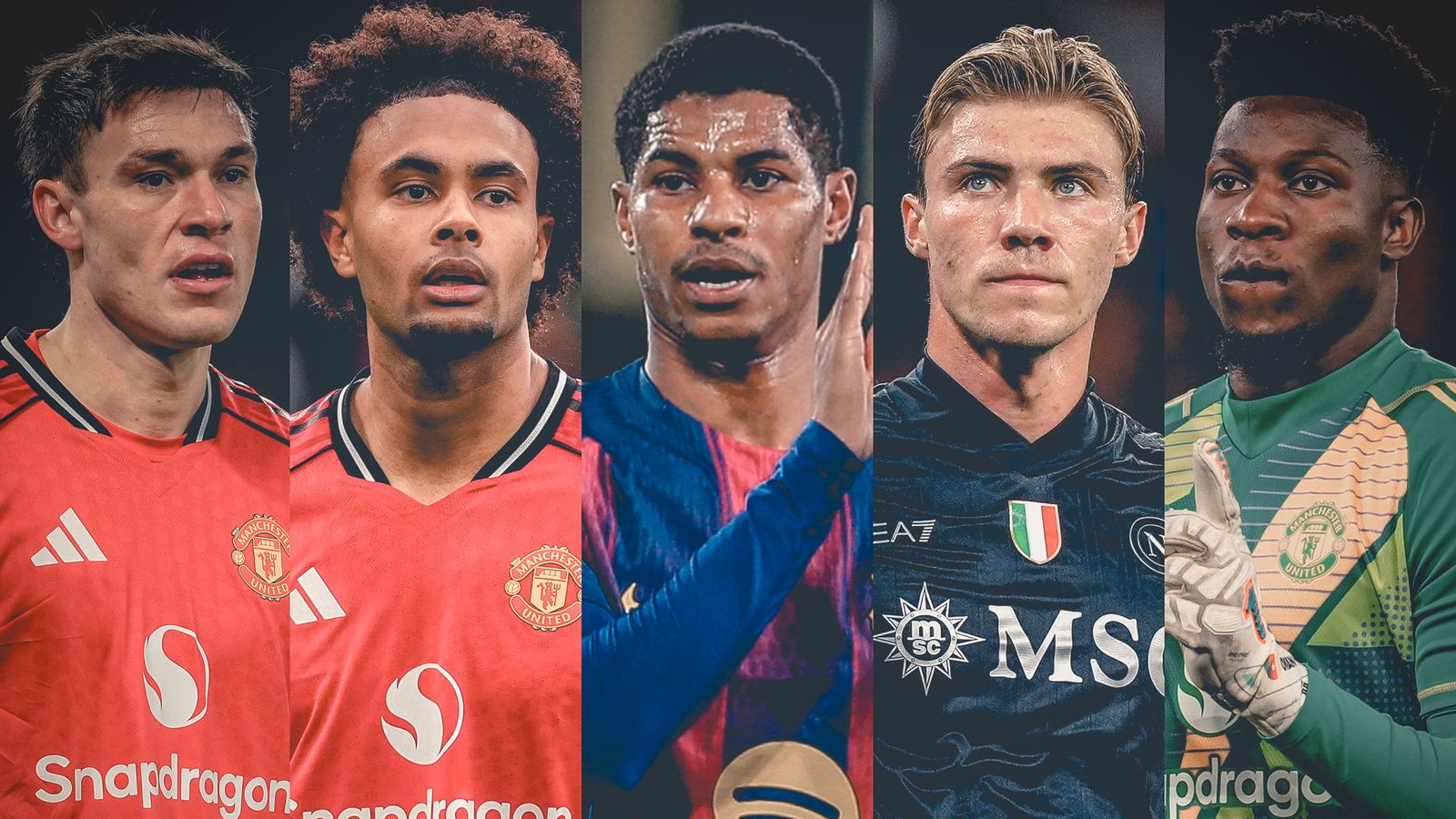
This isn't merely about adding depth. The club is actively looking at moving on current first-team figures who have failed to secure starting roles or meet performance expectations. As recent reports highlight, up to eight players are being shopped as part of a significant fundraising initiative. Among the names linked with a potential exit is Manuel Ugarte, who appears surplus to requirements after struggling to establish himself in the starting XI.
The midfield dilemma and Fernandes's vision
The recruitment team is facing a complex challenge in the middle of the park. Ryan Giggs has publicly weighed in on the club's midfield search, suggesting that decisive action is required to ensure the squad is competitive for the start of the next campaign. The club is currently navigating a narrow market for talent that can immediately elevate the tempo of the transition phases.
Interestingly, the search has taken an internal turn. Bruno Fernandes has reportedly recommended Mateus Fernandes to the hierarchy as a long-term successor for his role. While the endorsement of a team captain carries weight, there is skepticism within recruitment circles regarding the jump in intensity required for a young player to step into the Premier League spotlight.
Tactical considerations and the Elliott Anderson pursuit
The most concrete interest revolves around a move for Elliot Anderson. The valuation for the recruitment of top-tier talent in this market remains volatile, but United’s ability to leverage internal accounting rules might provide an advantage over local rivals. The goal here is clear: secure a dynamic operator who fits the high-pressing system that the coaching staff is attempting to implement.
There is also the matter of the defensive flank, where the medical staff is currently monitoring Patrick Dorgu. Having been sidelined since late January with a hamstring injury, Dorgu’s recovery is being treated with extreme caution at Carrington. Relying on an injury-prone asset for a full season is a gamble that the club cannot afford to take, yet the lack of a reliable backup remains a glaring oversight in the current roster construction.
Building for the future underneath the noise
While the focus is on the multi-million pound departures and arrivals, the academy structure continues to churn out names. James Nolan has been vocal about the potential of Max Dowman, a youngster who has been turning heads at the training facility. It is a classic move for a club in transition to lean on youth prospect hype, yet history shows that internal buzz rarely translates to guaranteed first-team contributions.
I told my wife I couldn't play for Man Utd any more after boss ripped me to shreds.
That quote, from former player Ben Foster regarding his time under Sir Alex Ferguson, serves as a reminder of the historical pressure cooker at Old Trafford. For the current crop of youth players, the standards remain unforgiving. Relying on teenagers to fix the structural issues of a broken first team—as seen with recent academy promotions struggling for form—is a strategy that often backfires for top-four contenders.
The stadium and the financial reality
Beyond the pitch, the club faces a looming reality check regarding the future of their infrastructure. Expert analysis regarding the potential £2 billion stadium project suggests that the Glazer family's involvement will inevitably create friction with the fanbase. If the transfer budget is restricted to fund these architectural ambitions, the supporters will likely find the lack of activity in the market unacceptable.
Ultimately, the summer boils down to the balance between clearing the deadwood and finding the right profile, not just the right name. If the club manages to offload the eight targeted players, they will generate the liquidity needed. If they fail to move them, Ratcliffe's initial promise of a rapid rebuild will look increasingly like a hollow marketing gesture.
The impact of a major signing like Anderson would be instant in terms of creative output, but it will not mask the deep-rooted issues in the backline. Unless the medical team can ensure key figures like Dorgu remain on the pitch for more than 70% of the campaign, the recruitment strategy will remain paper-thin. Stability is the only thing the club has lacked, and this window serves as the final test of their current approach.