Measuring the gravity of a creative void
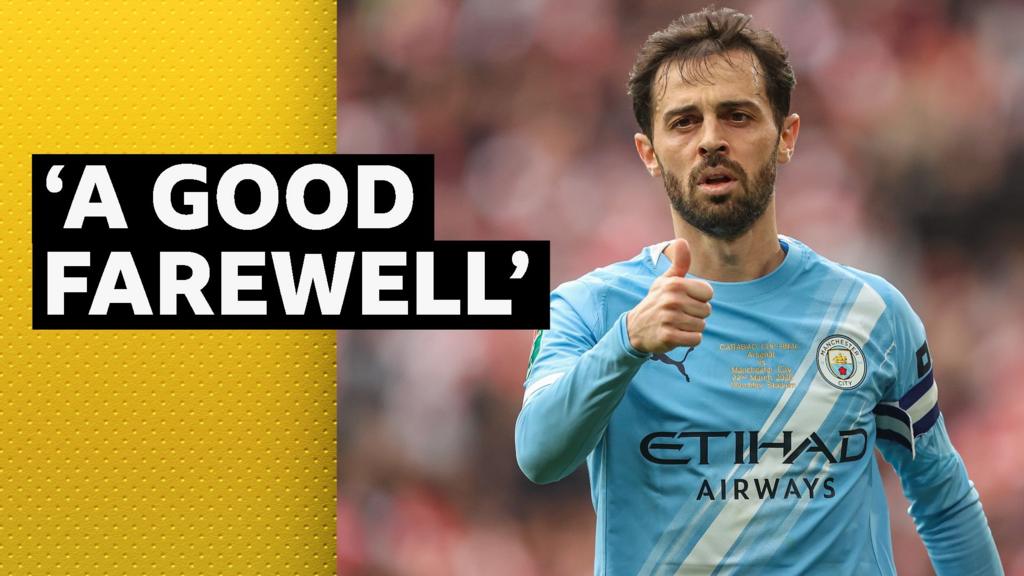
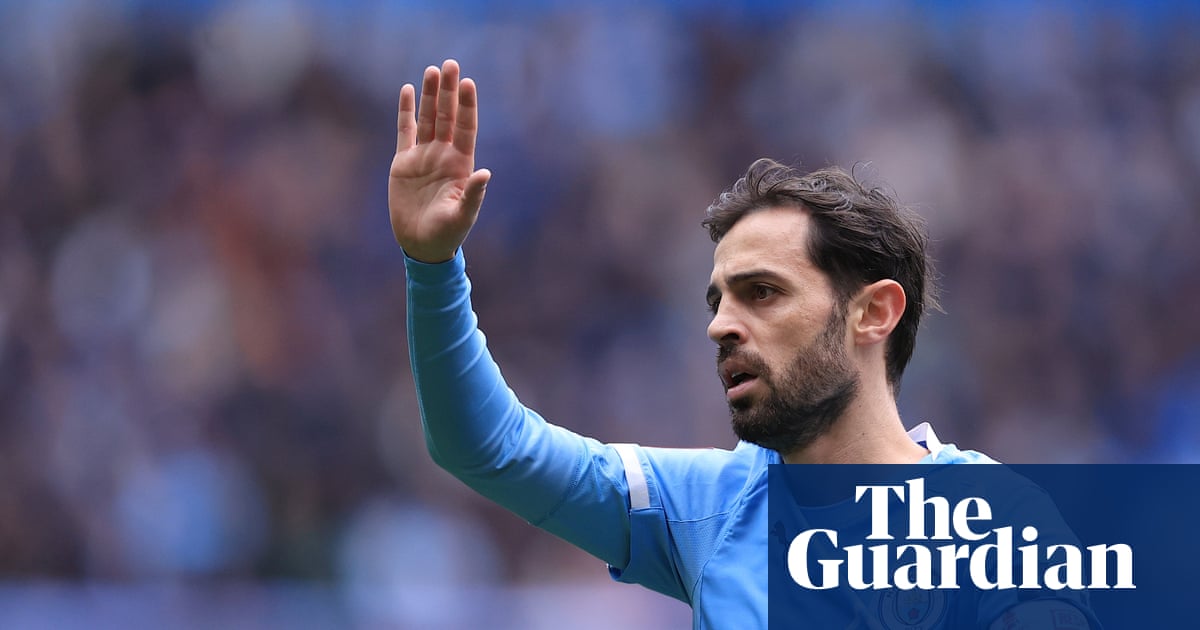
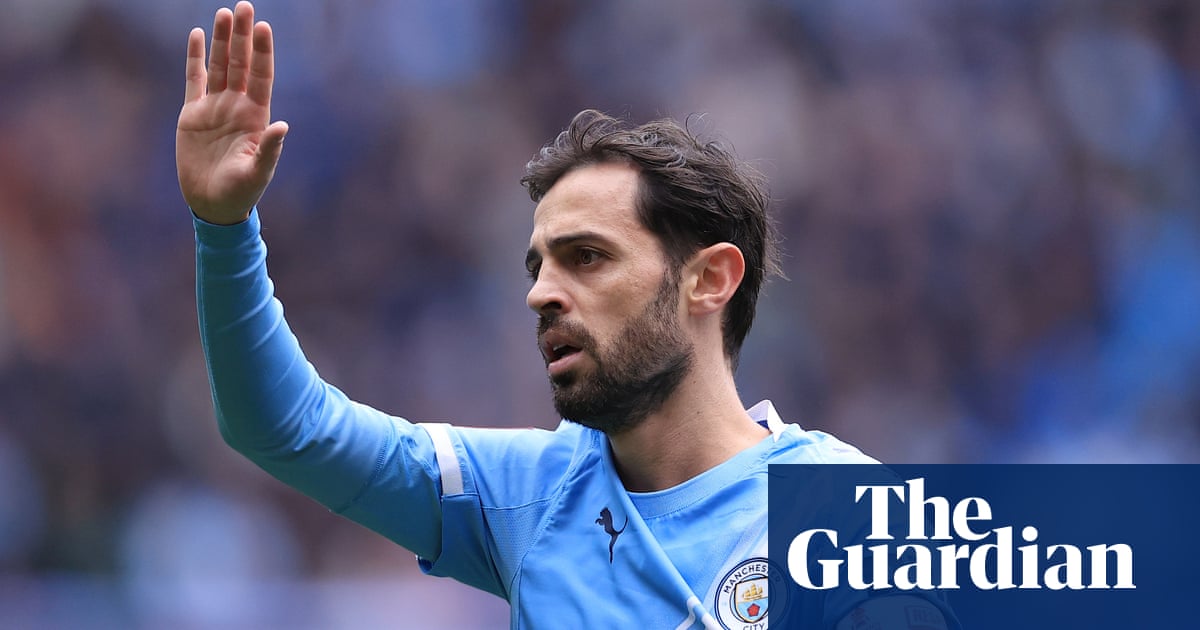
Bernardo Silva has recorded a pass completion rate consistently above 88% throughout his Manchester City tenure. As reported by Mirror Football, assistant manager Pep Lijnders has fueled speculation regarding the Portuguese midfielder's future as he nears his contract expiration. The loss of such a high-percentage passer is not merely a personnel change; it is a fundamental shift in how City governs the middle third.
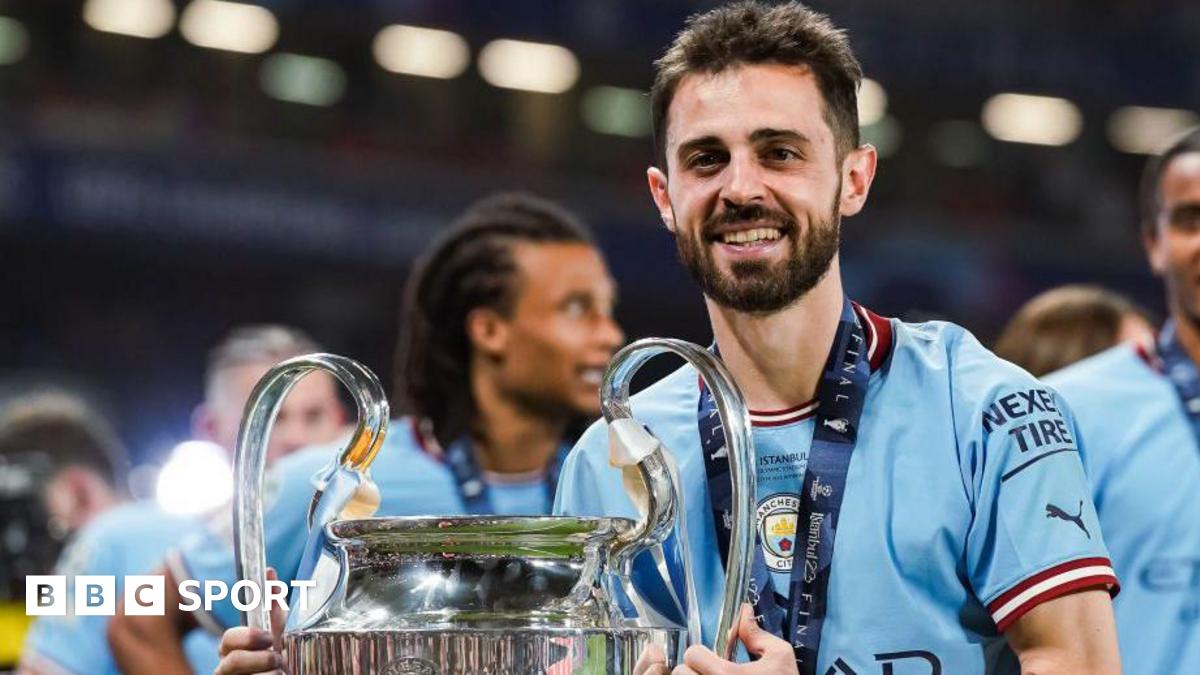
Since joining from Monaco in 2017, Silva has participated in over 250 Premier League matches. His ability to act as a pivot in narrow spaces has often been the primary catalyst for Guardiola’s offensive rotation. During the 2023-24 campaign, he maintained high involvement in transition phases despite a deeper tactical positioning.
The metrics of midfield disruption
Comparing the creative output
When analyzing Silva's expected goals (xG) and expected assists (xA) over the last three seasons, his profile reveals a steady transition from a wide playmaker to a central tempo-setter. He rarely records explosive raw tallies, but his contribution to secondary assists—the final ball before the assist—remains elite. Data indicates he averages 2.4 shot-creating actions per 90 minutes, providing stability when City faces low-block defensive structures.
His tactical discipline remains his most underrated attribute compared to his peers. In high-pressure games, such as those against top-four rivals, his heatmap remains concentrated around the half-spaces. If he departs, finding an heir to this specific spatial intelligence will deplete the club's transfer budget significantly.
The financial burden of replacement
Manchester United are simultaneously trying to execute a squad overhaul, recently noted for their need to offload eight players to satisfy financial constraints. City’s situation differs in scale, but the tactical risk is similar. Replacing a player who executes 60+ passes per game with a 90% accuracy rate is rarely achieved through direct market acquisition.
Critics often point to his lack of raw goal output as a reason to modernize the midfield, yet the team's xG per game frequently drops when he is sidelined. The squad relies on his stamina to initiate the counter-press at the 75th minute when opponents are exhausted. If this mechanism is removed, the defensive transitions will likely become more porous.
A reality check for the upcoming window
The assumption that elite clubs can seamlessly replace such high-volume controllers is a fallacy. Historically, players with Silva’s capacity to bypass a press with a simple turn rarely move to teams without a clear continuity of system. The incoming window will test whether Pep Guardiola intends to evolve the formation or force a new arrival into an existing set of responsibilities.
If Silva indeed exits, Manchester City’s squad efficiency will be tested in the opening weeks of the 2026-27 season. The decline in collective field control will be the definitive metric to watch, particularly if the team's average pass length increases to compensate for a lack of short-range ingenuity. Success measured by trophies may continue, but the stylistic rhythm will undergo a jarring transformation.
Read Next
- Why Manchester City will expose the Premier League title race cracks
- Manchester United are positioning for a massive summer squad overhaul
- Liverpool are unraveling while City prepares to say goodbye to a legend
- Liverpool’s crisis deepens as Van Dijk blasts dressing room effort
- 🇵🇹 Portugal World Cup 2026 — A Seleção Hub