Searching for stability on the left
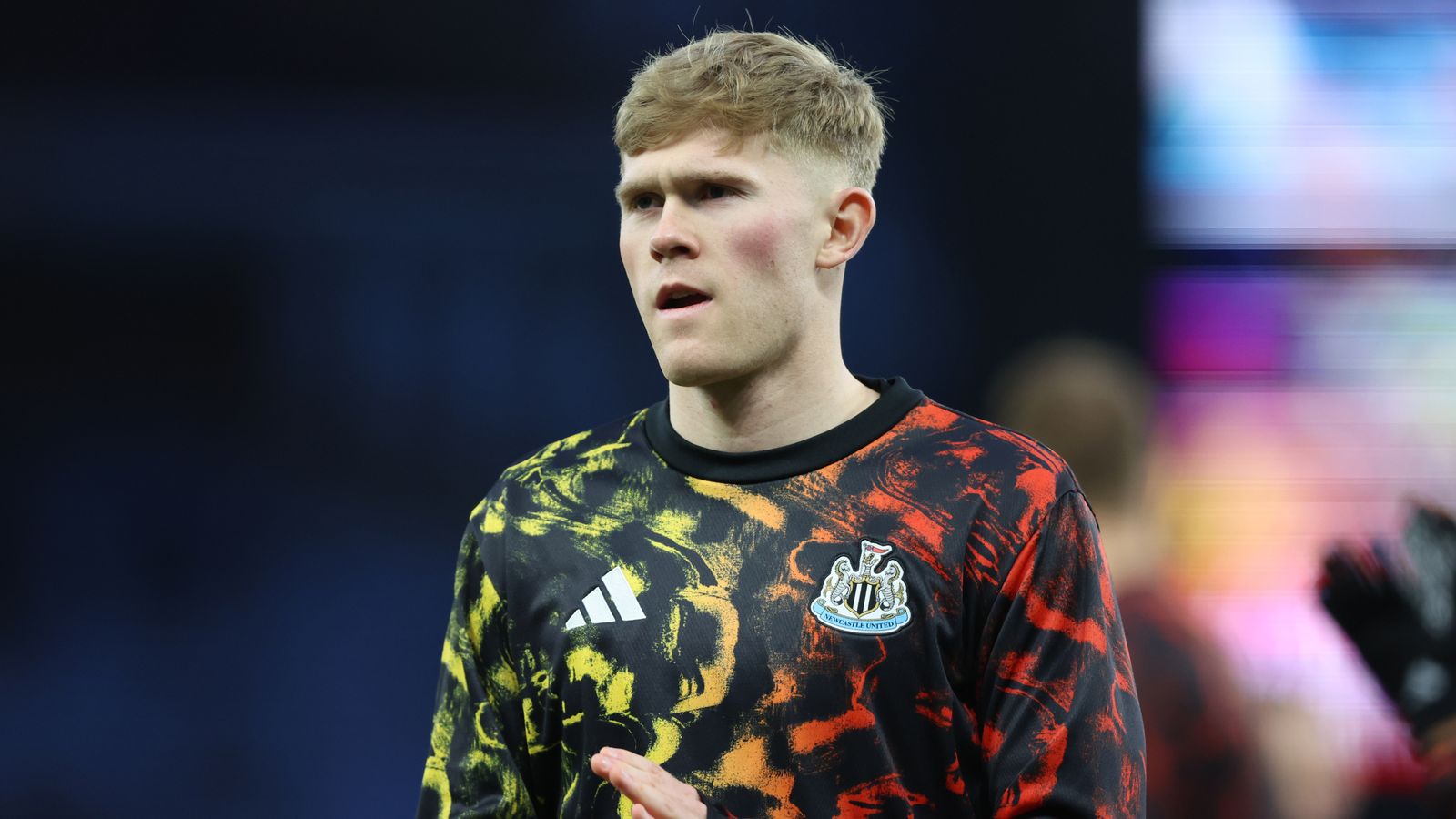
Manchester United have prioritized the left-back position as a primary objective for the summer window. With long-term fitness concerns surrounding Luke Shaw and Tyrell Malacia, the recruitment staff is currently evaluating a short list of potential arrivals to fortify the back four. As Sky Sports has reported, Lewis Hall and Fulham’s Antonee Robinson lead the internal discussion.
The club’s injury record at left-back has reached a point of administrative crisis. Relying on makeshift lineups during the previous campaign proved expensive, frequently leaving the defensive line exposed during transitions. By pursuing specialists like Hall and Robinson, management is admitting that the current auxiliary options are insufficient for the intensity of the upcoming domestic and European schedule.
The cost of reliability
Lewis Hall remains a compelling option given his versatility and growth during his time at Newcastle. However, Newcastle holds significant leverage in any potential negotiation for the defender. Securing a player of his profile requires meeting a valuation that may exceed initial budget projections, especially given the club’s stated commitment to squad-wide balancing.
Antonee Robinson presents a distinct profile. He brings immediate Premier League durability and a high-volume crossing output that fits a more direct attacking style. His fitness record remains a key internal benchmark for recruiters who are tired of signing high-upside players with chronic availability red flags. If United target Robinson, they are shifting away from potential and toward physical consistency.
The goalkeeper situation
Beyond the outfield issues, the backroom team is keeping an eye on the goalkeeper market for a depth signing. The goal is to avoid the panic-buy scenarios that defined previous windows. Having a secondary shot-stopper who can integrate quickly into the defensive rotation is essential for mitigating the risks of an injury-induced drop-off.
Historical patterns and structural flaws
United has spent years cycling through left-backs who arrive at Old Trafford only to spend prolonged periods in the treatment room. The recurrence of these muscular issues suggests a broader failure in either medical load management or the physical intensity required to play in the current system. Simply replacing human personnel without adjusting the training intensity or recuperation protocols will only lead to a repeat of the late-season collapses observed in 2025.
Strategic failure at this position is not a new phenomenon for Manchester United. There is a palpable pattern of signing players based on their offensive ceiling while ignoring their history of soft-tissue complications. For the upcoming season, the analytical department has forced a pivot: statistical availability is now weighted as heavily as technical distribution and recovery pace.
The negative reality is that United is currently playing catch-up. While competitors have solidified their defensive depth during the kickoff of the 2026 World Cup, Manchester United is still scouting alternatives to positions that should have been solved eighteen months ago. Bringing in a fresh face on the left is a necessary step, but it is hardly a complete remedy for a squad that has struggled to find a consistent rhythm since the winter break.
Ultimately, these negotiations are a referendum on the club's scouting department. Whether they deliver Hall, Robinson, or another target, the goal is reaching the 38-game threshold with a baseline of health that hasn't existed at the club since 2023. Unless the new arrivals bring iron-clad medical records, they are just paying to solve the same problem next July.