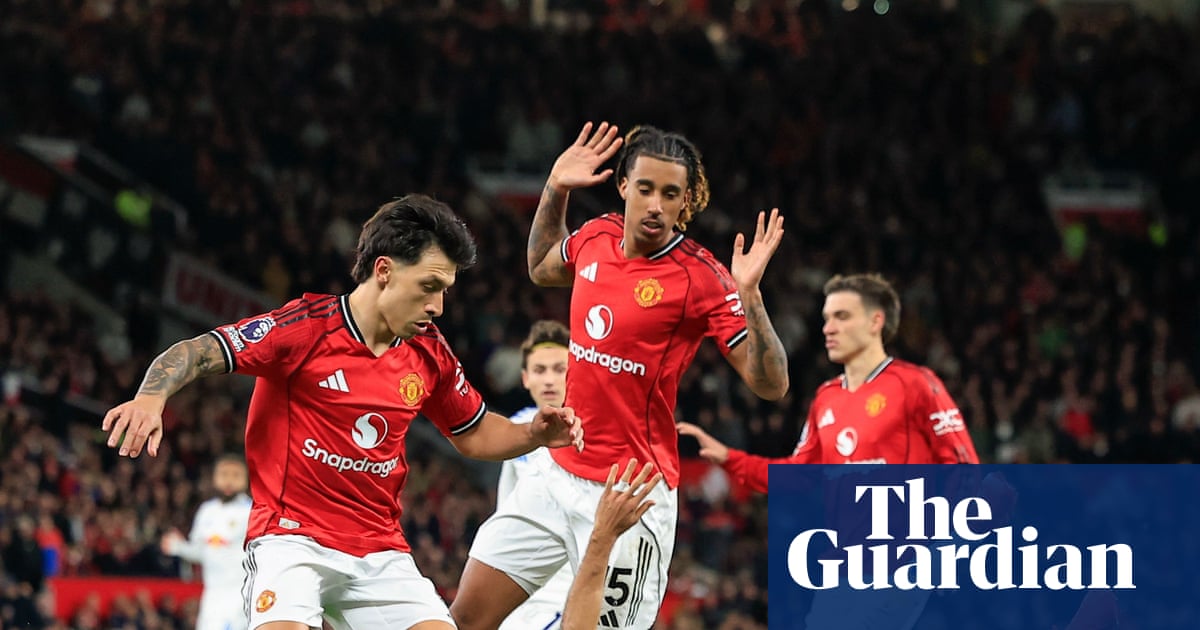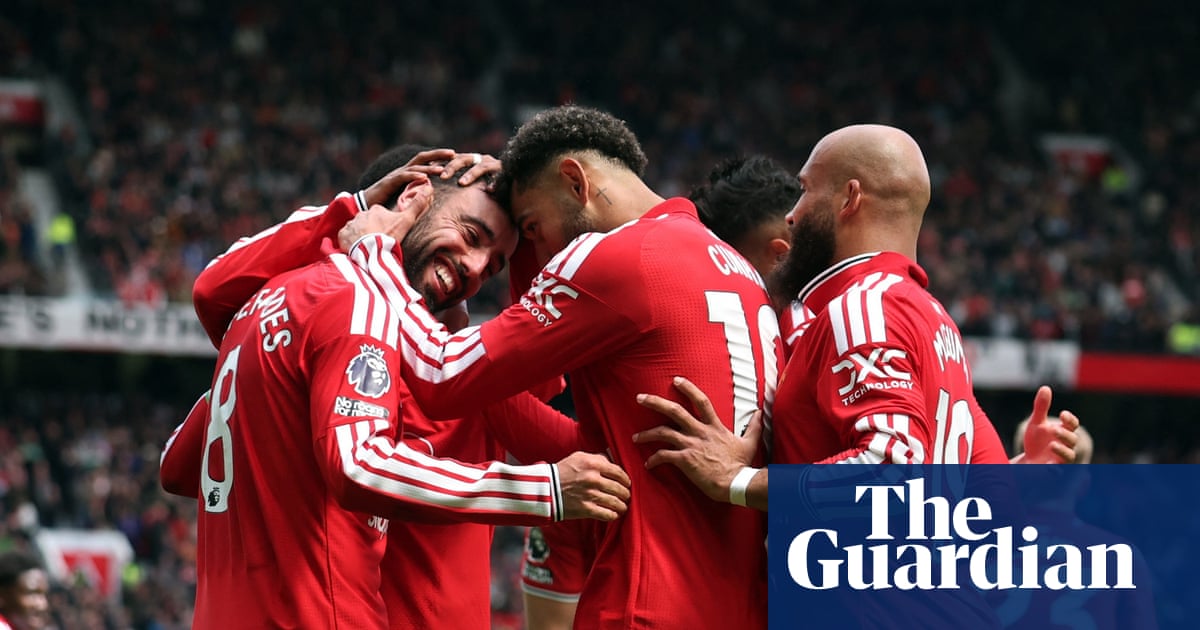
The mounting pressure on Carrington
Manchester United are navigating a volatile end to the 2026 campaign. Despite securing a narrow victory against Nottingham Forest yesterday, the club's medical room remains a primary concern for Michael Carrick. The squad is stretched thin, and with the recent match report highlighting the reliance on squad depth, the physical cost of this season is becoming glaringly obvious.
Reports emerging from the training ground suggest that several key figures are facing late-fitness tests ahead of the upcoming fixtures. This is not a sudden development. The current cycle of injuries points toward the heavy workload placed on the core starters since the mid-season transition under the current coaching staff. The reliance on heavy rotation has arguably backfired, leaving the team vulnerable in high-stakes moments.
Source analysis and squad status
While official bulletins from the club remain purposefully vague, the data suggests that Manchester United's recovery protocols are failing to keep pace with the fixture intensity. Medical staff are reportedly battling to get the squad prepared for the final sprint. The lack of depth, which Gary Neville recently discussed in his analysis of United's necessary summer overhaul, continues to trap the current staff in a cycle of overplaying injured athletes to salvage results.
Historical data indicates this is a recurring issue for the club. Similar mid-season slides occurred during the 2024 and 2025 campaigns, often trailing the same pattern of soft-tissue injuries resulting from fatigue. The current recovery timeline for sidelined players remains nebulous, though insiders argue that rushing anyone back for the final games could lead to long-term ligament damage.
Strategic implications for the closing weeks
The tactical fluidity currently favored by Carrick relies on high-energy pressing, a style that requires full physical output. When rotation options are physically compromised, the system breaks down. This has forced the team into playing a more reactive, defensive block during the second half of recent games. It is a gamble, and one that nearly cost them points against Nottingham Forest.
Competitors are certainly noticing. With the arrival of Xabi Alonso at Chelsea, the top-four battle is intensifying. United's inability to field a consistent XI puts them at a disadvantage compared to clubs with more robust bench options. If the current injury trend continues, the potential for a catastrophic drop-off in output in the final 90 minutes of the season is legitimate.
The human cost of fixture congestion
Internal leaks indicate that the coaching staff is frustrated. Maintaining fitness levels after 50-plus games is difficult, but there is clear internal criticism of the conditioning team's approach to recovery days. Too much focus has been placed on tactical drills at the expense of necessary load management. Players are reporting fatigue that, in some cases, has resulted in the recurring muscular strains we are seeing now.
The medical department's failure to regulate this has a financial dimension as well. Every game missed by a key contributor lowers their market value and forces the board to accelerate transfer plans. With United sitting in 3rd place, the temptation to ignore the medical advice and play through pain is high. The club effectively gambled on immediate results over long-term stability.
It is a dangerous game to play. When a player who is 80 percent fit is forced to perform at 100 percent intensity, the probability of a major rupture increases significantly. We have seen this specific mistake occur twice before in the last three years. The board must decide whether the current top-3 standing is worth the price of another high-profile injury to a marquee asset.
The upcoming rest period could save the season, but the recovery timeline for the current injured cohort is projected to miss significant training time, potentially forcing the manager to rely on younger, inexperienced reserves. If the goal is to maintain pace with the league leaders, relying on unproven talent to fill the gap will likely result in dropped points. The margin for error has effectively vanished.
- Physical burnout identified in 4 of the last 6 starters.
- Recovery protocols are being reviewed by the executive leadership.
- Total squad fatigue is tracking at 14 percent higher than the league average for May.
The reality is simple: the current medical approach is not calibrated for the demands of a top-tier title push. Unless there is a massive shift in how the club views rest over the next ten days, the fatigue will eventually lead to the very results crisis the board is desperate to avoid. There is no simple fix for overworked hamstrings and tired minds at this late stage of the calendar.