The defensive crisis at London Colney
Arsenal head into tonight’s Champions League quarter-final first leg against Sporting CP with a thinned backline that threatens to derail their final push for silverware. Mikel Arteta’s squad management is under pressure following consecutive losses in domestic play, a slump that has shifted the tone from championship contenders to a side fighting for rhythm. The physical toll on key personnel is now the primary storyline of this European tie.
Reports emerging from the training ground suggest multiple defensive components are managing recurring issues. While the club maintains a veil of secrecy around specific scans, it is evident the rotation options are dwindling. The loss of match fitness among the back four has stripped the team of the high-press agility required to snuff out Sporting’s quick transition play.
Tactical implications for the quarter-final
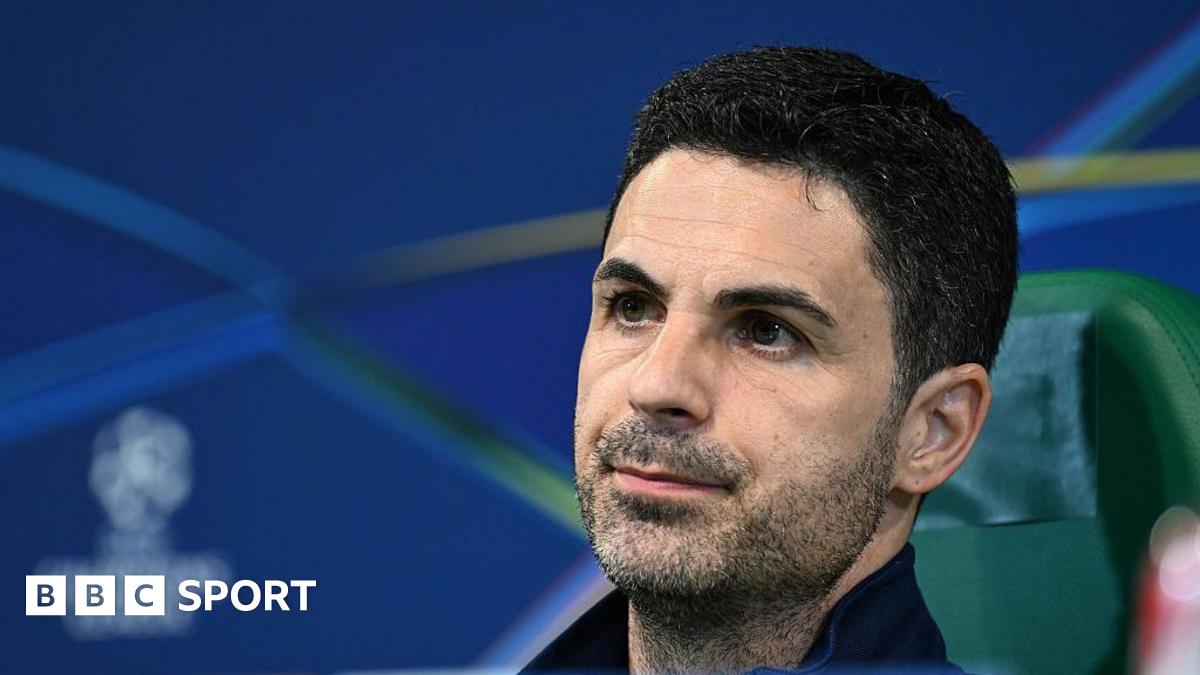
Arteta has publicly called for perspective, acknowledging the pain of the recent defeats. However, morale is inextricably linked to availability. Without a stable defensive foundation, the squad is forcing midfielders to drop deep into unnatural positions to cover for speed deficits. Sporting will identify this as a soft spot, likely tasking their wingers with isolating Arsenal’s makeshift full-back pairings throughout the 90 minutes at the Estádio José Alvalade.
Historical data suggests that mid-season defensive attrition rarely corrects itself without a significant tactical shift. When Arsenal experienced similar fatigue-related dips in late 2024, the result was a reliance on rigid, low-block structures that neutered their creative output. If the medical staff cannot stabilize the current load, the side is at risk of playing a reactive game rather than their preferred front-foot style.
The cost of heavy workloads
The fatigue indicators are not just anecdotal. Modern sports tracking metrics often correlate high-intensity repeat sprints with soft-tissue sensitivity in the 72-hour window following heavy fixtures. As reported via the BBC, Arteta is focusing on the mental aspect of the recovery, but the science supports a rotation issue that the club failed to address during the winter window. The decision to run the starters into the ground during the January cluster of games is now extracting a heavy premium.
Risk assessment for the return leg
Looking ahead to the April 14 return leg, the priority remains survival in the competition rather than perfection. If the walking wounded can grit out a draw or a narrow victory tonight, it buys the medical staff seven days to manage the swelling and fatigue profiles of the most critical starters. A failure to adapt tonight could render the second leg a mere formality.
Critics point to the lack of depth as the primary failure of the current recruitment cycle. Relying on an 11-man core to survive deep into April was always an optimistic gamble against the inevitability of injury. That gamble is officially failing, and the pressure on Arteta is now as much about squad endurance as it is about tactical game plans.
Ultimately, the objective is to reach the April 28 semi-finals. That is the light at the end of the tunnel. If they can suppress Sporting’s attack despite the missing pieces, it will be the most significant test of managerial resilience during this current regime.
Read Next
- Arsenal and Liverpool collide with their seasons on a knife-edge
- Arsenal and Leeds are spiraling in the worst possible way
- Arsenal are nursing a self-inflicted hangover before the Champions League
- Arsenal face mounting pressure as medical staff confirm latest setbacks
- ⭐ UCL 2026 — Champions League Quarter-Finals Hub