The transition that wasn't
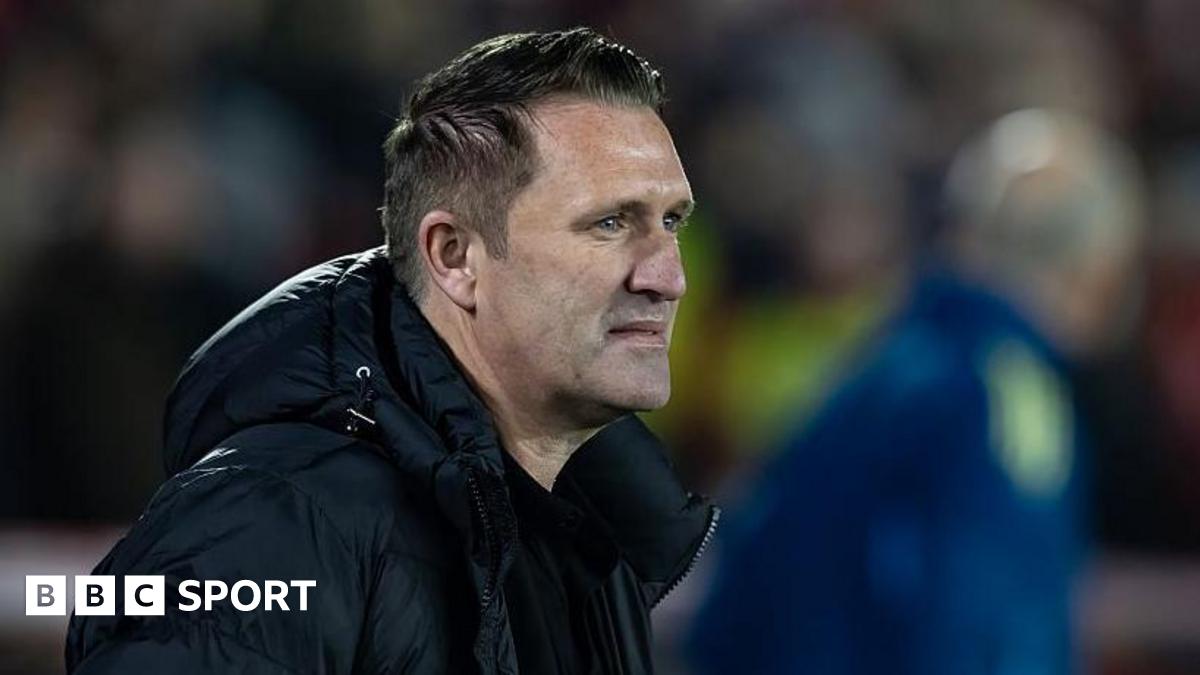
Celtic fans have successfully forced a change in direction at Parkhead. Today, June 5, 2026, the club is set to move away from the potential appointment of Robbie Keane following a loud, organized protest from multiple supporters' groups. The controversy stemmed primarily from Keane's previous managerial stint with Maccabi Tel Aviv, a factor that triggered an immediate, coordinated backlash from vocal fan factions.
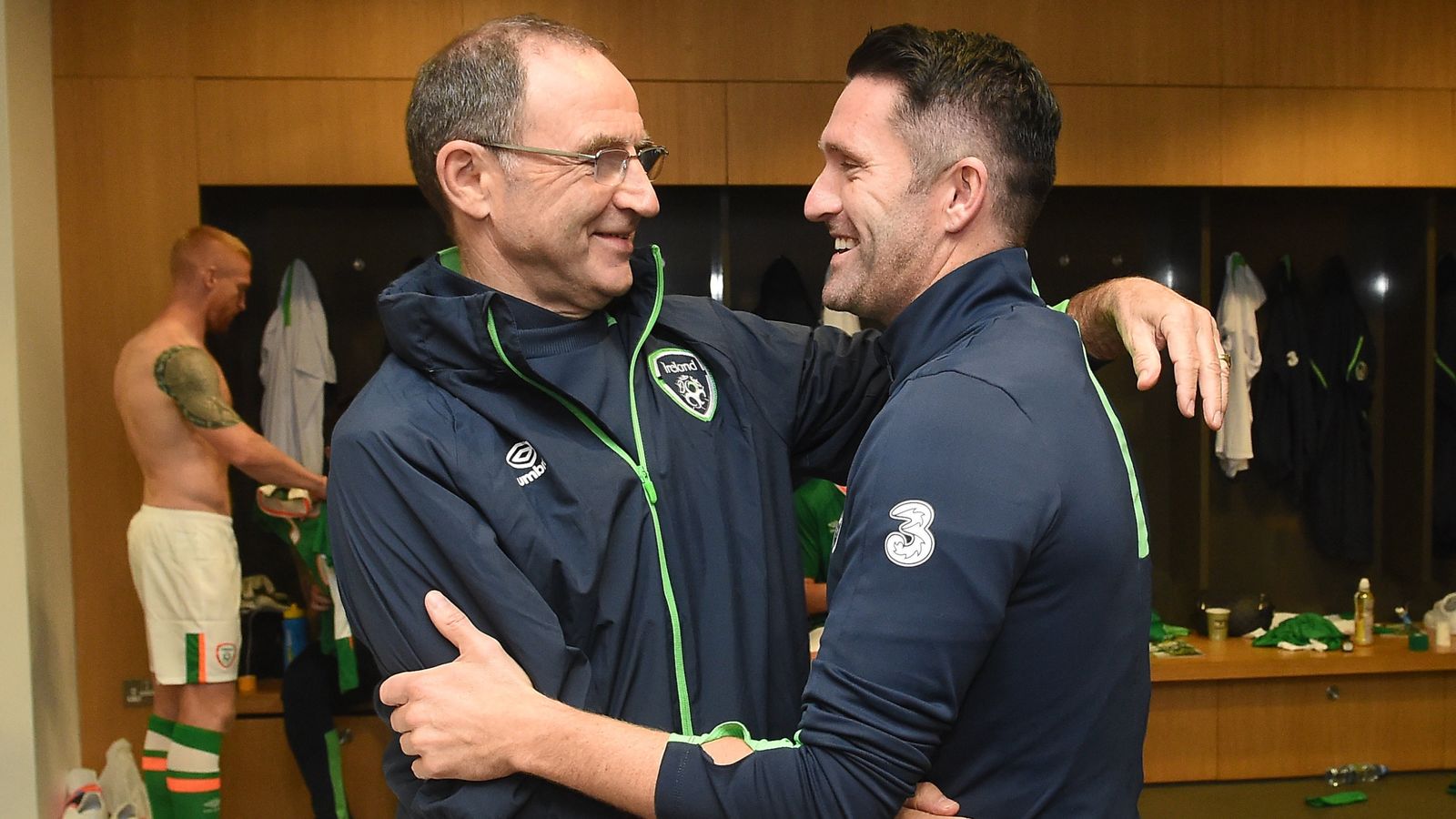
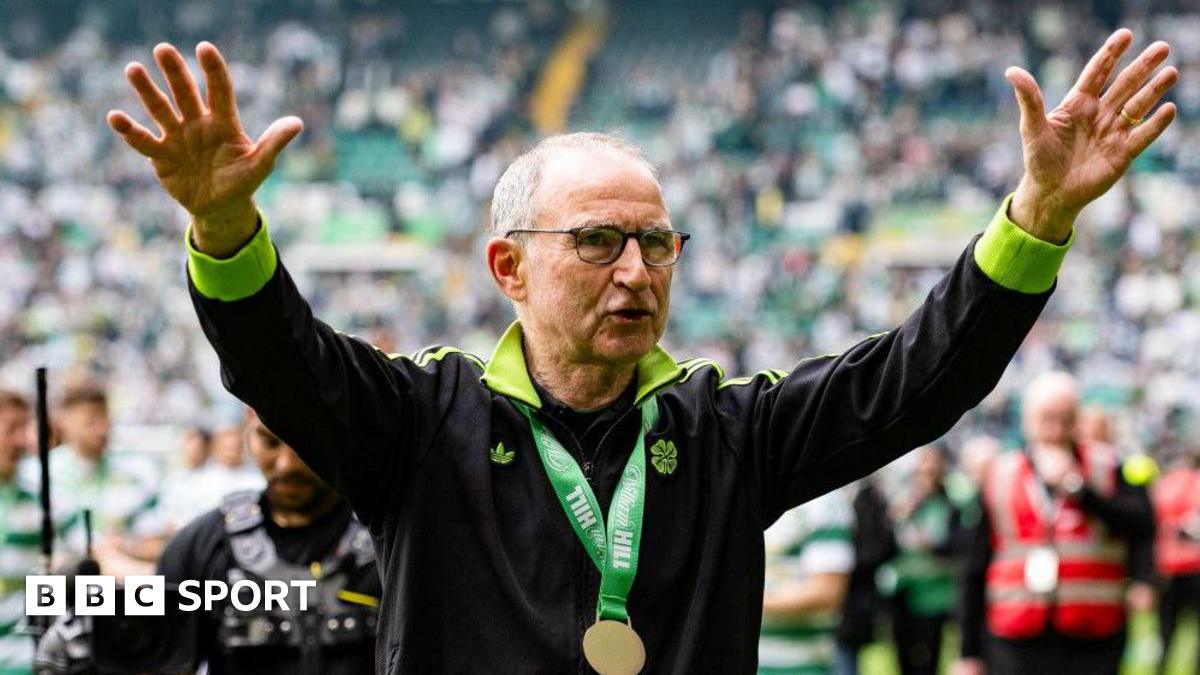
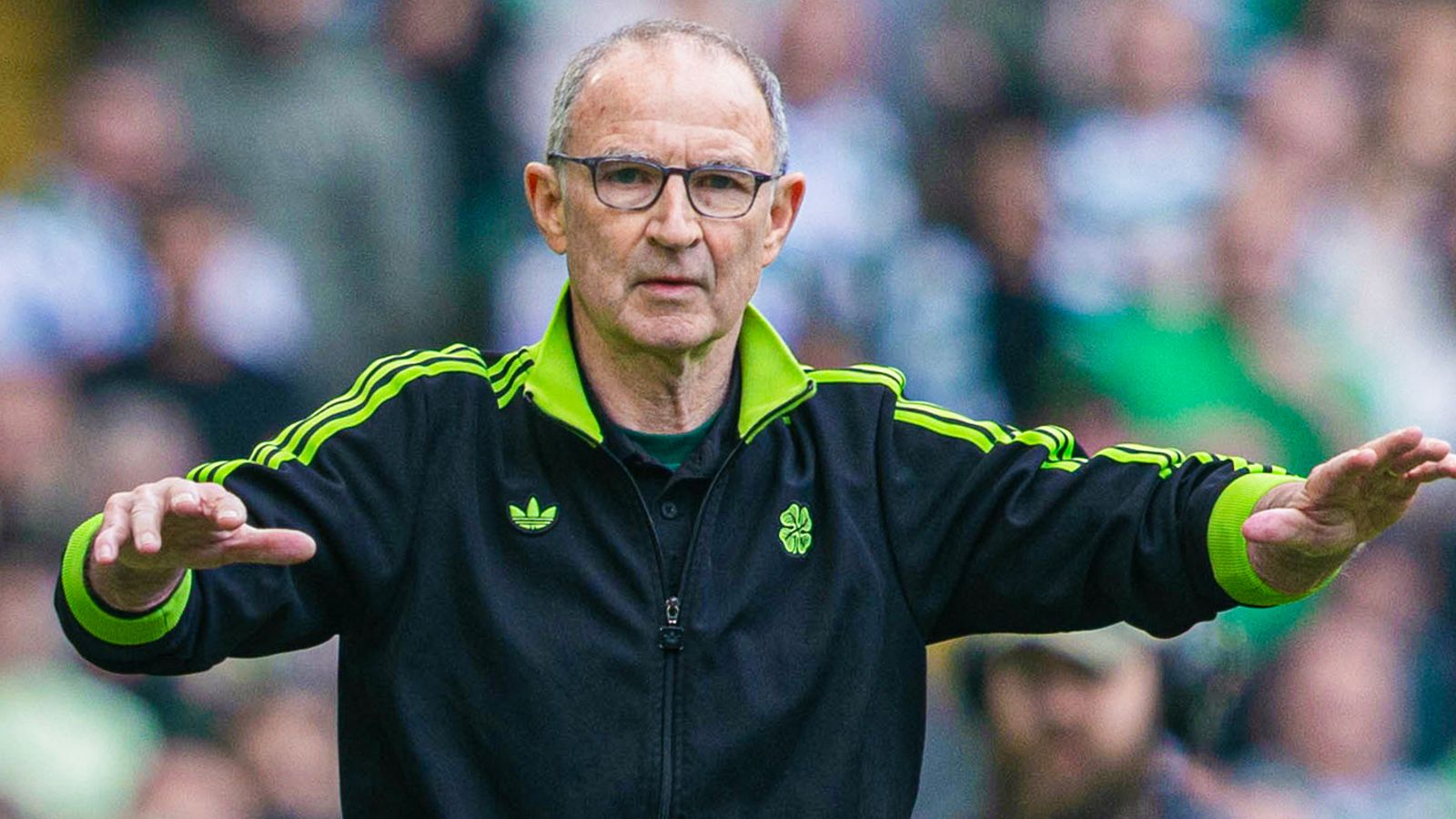
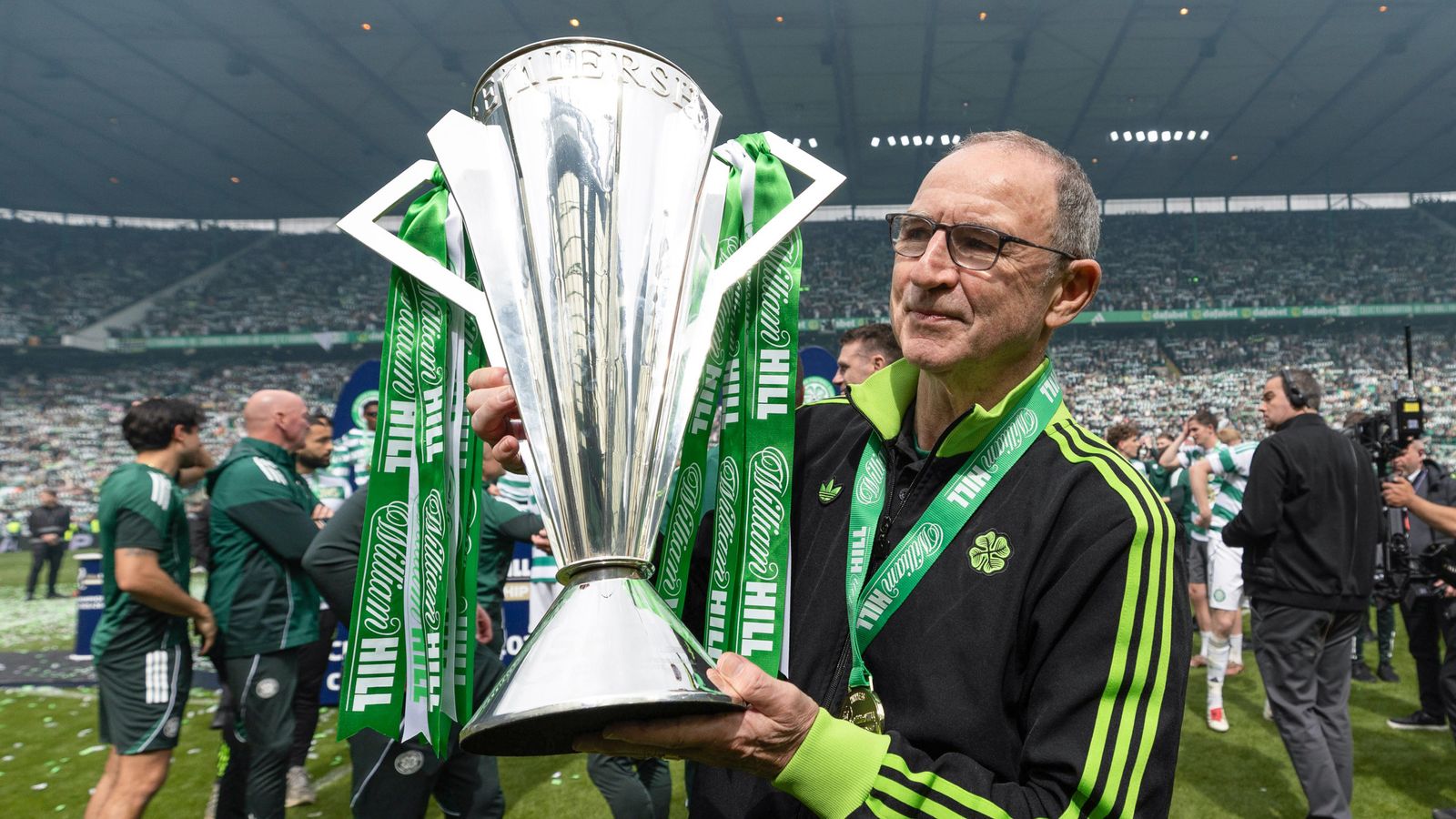
Instead, the board has pivoted back to a familiar face. Martin O'Neill, at 74 years of age, has agreed to a one-year contract to serve as the team's permanent manager. It is a decision that trades the uncertainty of a Keane era for the historical precedent of O'Neill, an individual who previously enjoyed significant success in Glasgow.
Statistical ghosts and board room panic
The numbers behind this decision-making process highlight a club reacting to social pressure rather than tactical long-term planning. Keane’s tenure at Maccabi Tel Aviv was marked by limited longevity, and while managerial statistics often fluctuate, the raw data of this situation is clear: the supporter blockade effectively halted the contract process before it could reach the signature stage.
The O'Neill precedent
When looking at the appointment details reported today, the one-year deal serves as an obvious safety net for both parties. O'Neill is a known quantity, yet his age poses a specific query regarding his ability to implement modern high-pressing systems required in the current UEFA landscape. While his past record includes impressive domestic trophy hauls, the game has evolved since his early 2000s peak.
- Robbie Keane potential tenure: 0 days.
- Martin O'Neill contract duration: 1 year.
- Manager age at hiring: 74.
The swiftness of this pivot indicates panic within the Celtic hierarchy. When BBC Sport verified that several major supporters' clubs had formally filed their opposition, the internal calculus regarding sponsorship, ticket sales, and stadium morale clearly shifted. Boards rarely bow to fan petitions unless they fear the direct financial impact of a disconnected supporter base.
The cost of optics
Managing a football club requires balancing the technical needs of the pitch with the cultural identity of the stands. By opting for O'Neill, the club prioritizes stability over innovation. This is a conservative choice that effectively kicks the issue of long-term succession down the road for at least 12 months. Whether O'Neill can deliver a winning percentage above 65%—a benchmark often required for Scottish Premiership success—remains the true test of this appointment.
Ultimately, the collapse of the Keane deal shows that sentiment still carries immense weight in Glasgow. The data suggests that success at Celtic is tethered to the pulse of the fanbase. For now, the board has chosen the path of least resistance, looking back to 2005-era successes to quiet present-day protests. It is a reactive move that stabilizes the club in the short term but leaves the tactical future in a state of suspended animation.