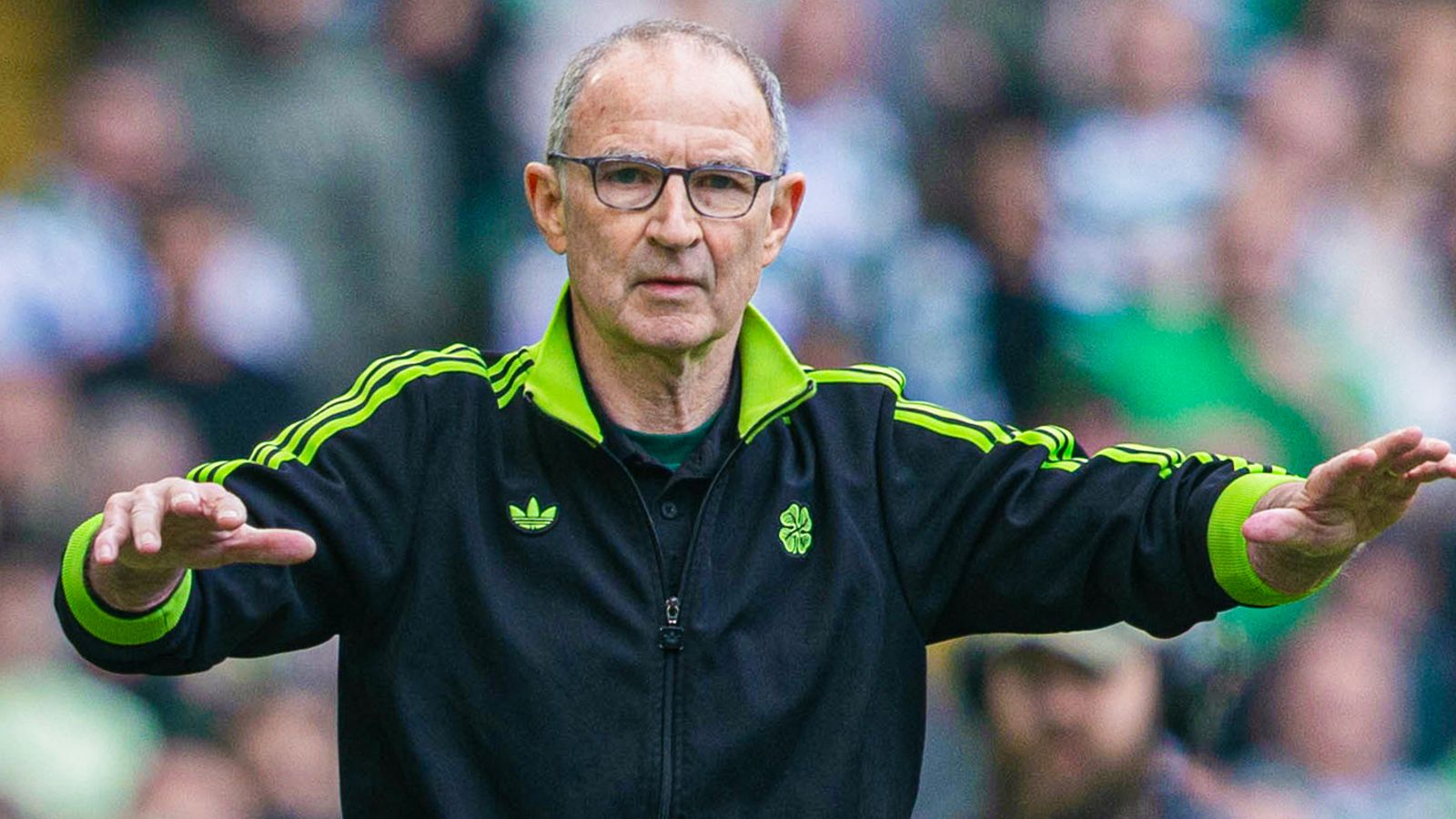
Celtic turns back the clock to the 2000s
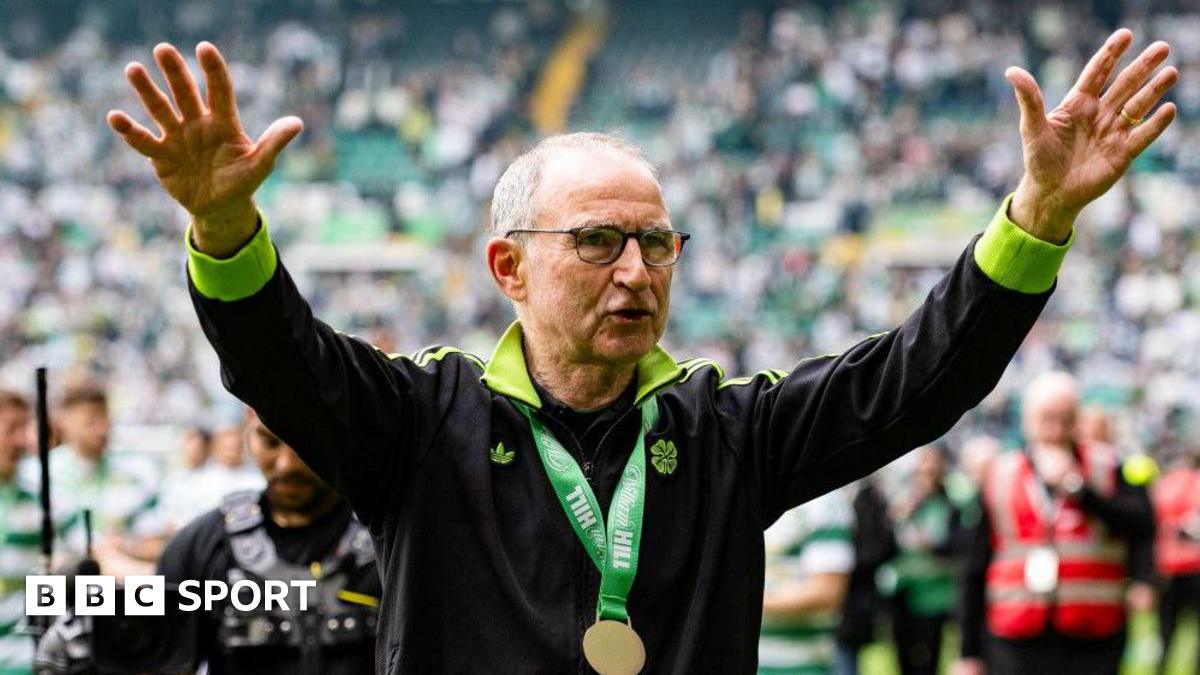
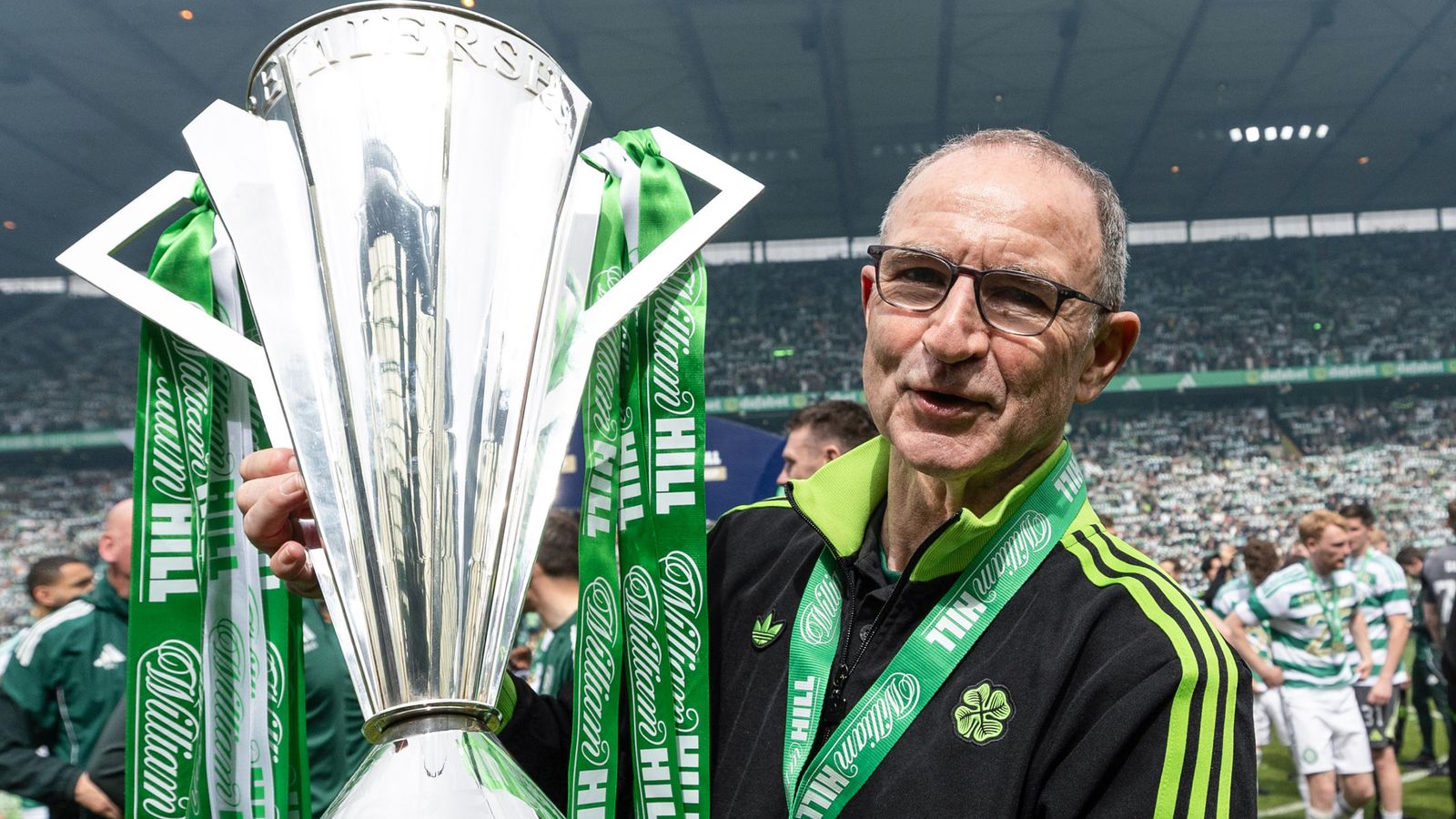
Today is June 11, 2026, and while the rest of the planet is losing its collective mind over the World Cup opener, Celtic supporters are busy staring into the abyss of their own boardroom. In a move that feels like pulling a dusty fax machine out of a basement, the club has confirmed that 74-year-old Martin O'Neill is the permanent manager.
We are living in an era of high-pressing, data-driven tactics, and Celtic opted for a massive helping of nostalgia. It is a decision that screams fear. After the recent domestic and Scottish Cup success, the board decided the safest path was to re-hire a man who was already a legend at the club two decades ago.
The math on this appointment doesn't add up
Let's look at the boardroom logic provided by Dermot Desmond. The goal is reportedly domestic dominance combined with a meaningful European run. There is a glaring issue with this objective: the modern Champions League format is a meat grinder. You cannot navigate that schedule with a tactical outlook rooted in the early 2000s.
Bringing back a manager who hits the mid-70s age bracket isn't building for the future, it is a desperate search for a quick hit of glory. As BBC Sport pointed out, this is the path of least resistance. It takes zero creativity to call someone who has been there before, and frankly, it is insulting to the fans who want to see tactical evolution rather than a greatest-hits tour.
Why this looks like a major booking mistake
There is a recurring theme in football where clubs mistake familiarity for expertise. O'Neill spent his career being a heavy lifter, but asking him to bridge the gap between Scottish Premiership physics and European giants is a bridge too far. The club essentially bet their future on a man who should be enjoying retirement in the sun, not dealing with the relentless pressure of Glasgow.
The club has three massive issues to address, starting with squad depth and ending with a style of play that won't get shredded by elite continental sides. Attempting to solve these systemic problems using a manager from the past is akin to trying to install the latest GPU into a Commodore 64. It is going to crash, and it will be spectacular to watch.
The bill is going to come due
Don't be fooled by the smiles at the press conference unveil. The reality is that if the domestic run hits a snag once the season begins, the fans will turn on this appointment faster than a referee misses a handball in the box. Success in Scotland is the baseline, but failure in Europe is where the unrest really begins.
Look at the salary commitment and the length of the deal. O'Neill has signed a permanent contract, which locks the club away from a rebuild for the foreseeable future. If this goes south, the board won't be able to just hit the panic button and swap in a young, hungry coach. They are married to this vision now.
We are going to find out real fast if 74 is the new 40 in management terms. My money says the game has passed him by in the same way it passes by every manager who tries to rely on grit and speeches in an era of xG models and heat-map tracking. Celtic isn't moving forward, they are standing still—and in this league, standing still is just a slow way to fall behind.
The Scot Prem title chase is always tight, but this move feels like they are handing their rivals a head start. It is a bold move to trust a legacy name, but when that name is decades removed from the modern tactical peak, it is just a recipe for a hangover that no amount of green and white confetti can hide. We will see how this ages once the calendar flips to December and the nights get cold.
Read Next
- Why Martin O'Neill's return to Celtic creates a statistical dilemma
- Martin O'Neill's unprecedented return and the physical toll of mid-seventies management
- Martin O'Neill eyes first Celtic marquee move for Elias Filet
- Mikel Arteta is gutting his golden generation to force a title defense
- ⚽ Scottish Premiership 2025-26 — Celtic vs Rangers Hub